
























Fountain Creek Regional Park
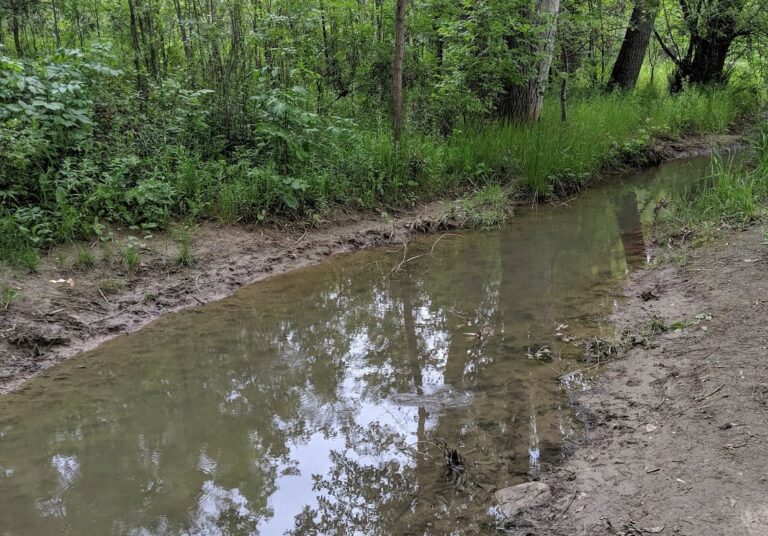
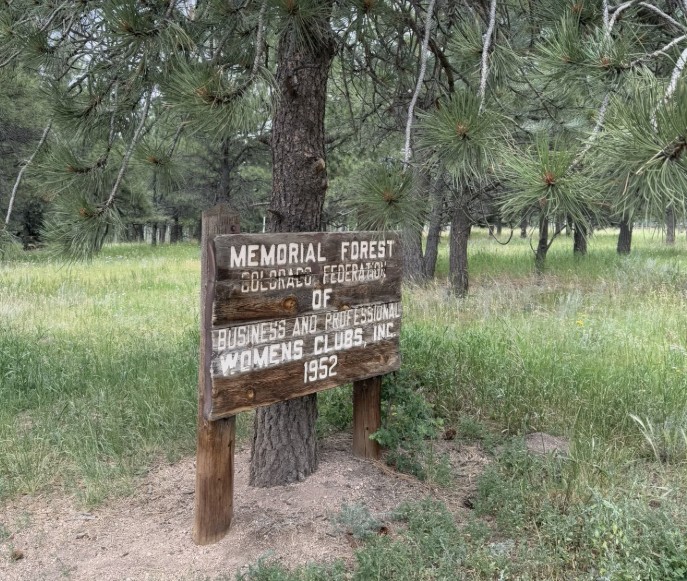
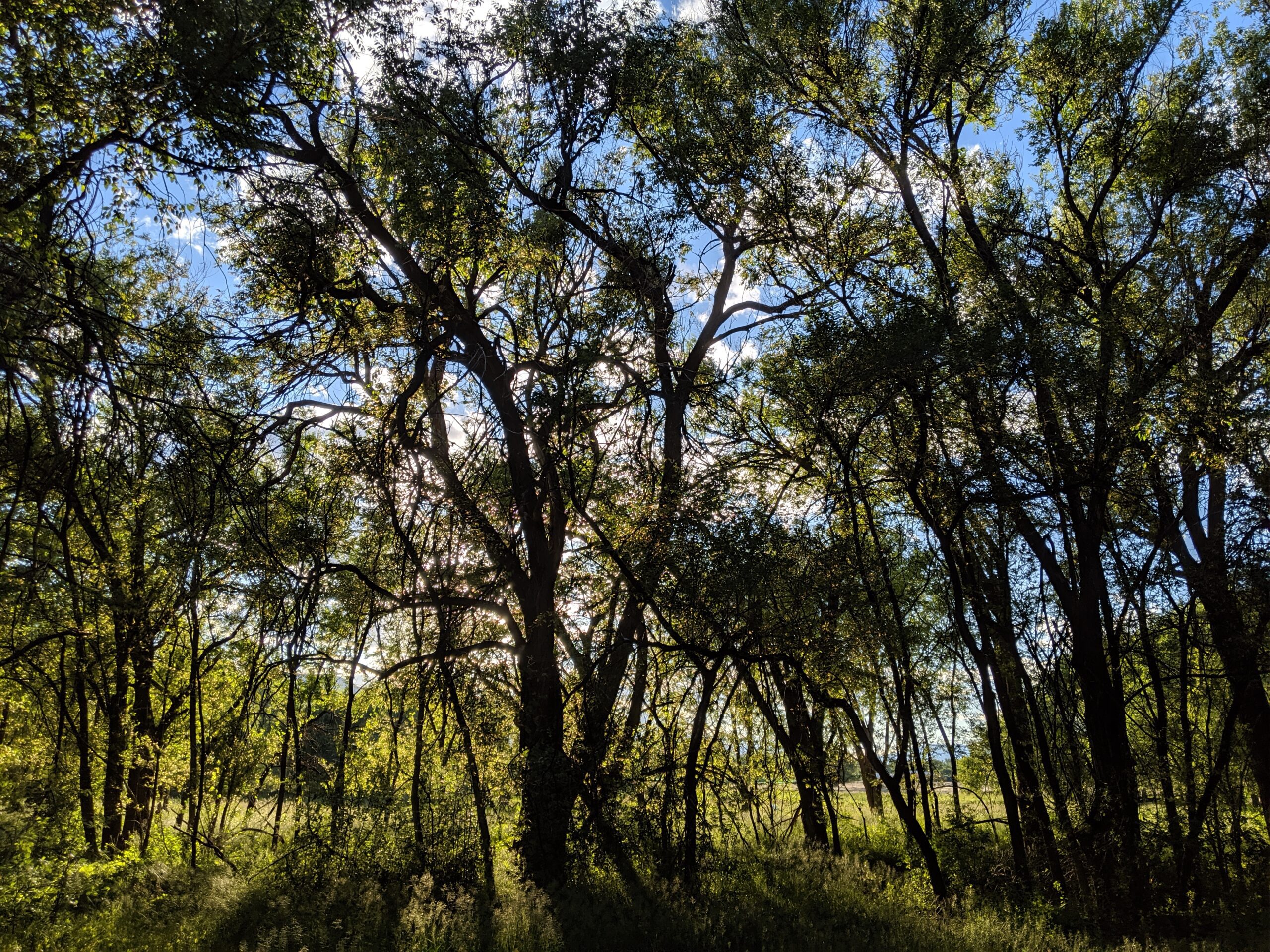
Fountain Creek Regional Park is one of El Paso County’s most beloved natural areas, stretching along the cottonwood-lined banks of Fountain Creek. Just south of Colorado Springs near Fountain, the park blends wetlands, meadows, and forest into a serene setting for walking, birdwatching, fishing, and family outings.
Trails and Recreation
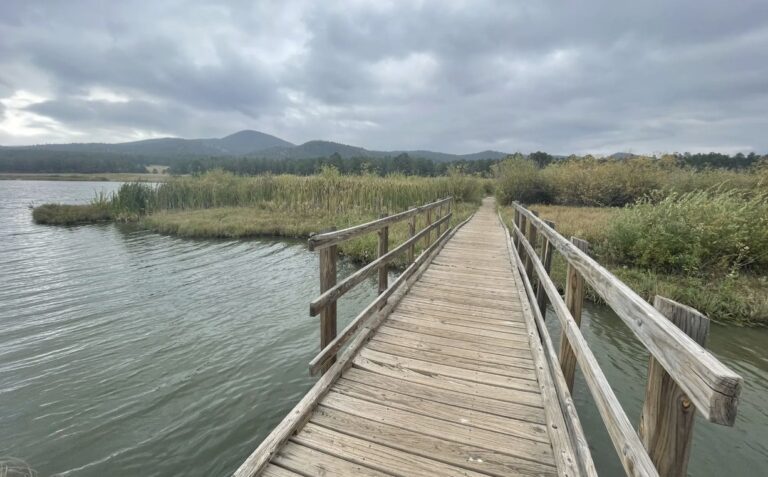
The park features over 10 miles of interconnected trails, including a section of the Fountain Creek Regional Trail that links north toward Colorado Springs and south toward Fountain. Paved and natural-surface paths meander past ponds, marshes, and shady cottonwood groves, offering year-round opportunities for walking, running, cycling, and wildlife viewing. Anglers can cast a line in stocked ponds or in stretches of Fountain Creek, while families enjoy picnic areas, playgrounds, and open fields. There is also a dog park and a community garden.
Wildlife & Scenery
Fountain Creek is a hotspot for birdwatching—more than 300 species have been recorded here, including herons, red-winged blackbirds, hawks, and migrating waterfowl. Beavers and muskrats are often spotted in the ponds, while deer and foxes move quietly through the cottonwoods. In autumn, the park is alive with the golden hues of changing leaves, reflected in still waters.
History
The park sits along a historic travel corridor once used by Indigenous peoples, explorers, and settlers following the Arkansas River drainage. It was later preserved as part of El Paso County’s regional park system to protect valuable wetlands and provide a green corridor through fast-growing communities. Over the years, it has become a cornerstone of local conservation, recreation, and environmental education.
Plan Your Visit
Location: 2010 Duckwood Rd, Fountain, CO 80817
Hours: Dawn to dusk, year-round
Parking: Multiple lots available near the Nature Center, ponds, and trailheads
Know Before You Go: Trails can be muddy after heavy rains; bring binoculars for birdwatching and be prepared for abundant wildlife. Dogs must remain leashed to protect sensitive habitats.