








Paint Mines Interpretive Park
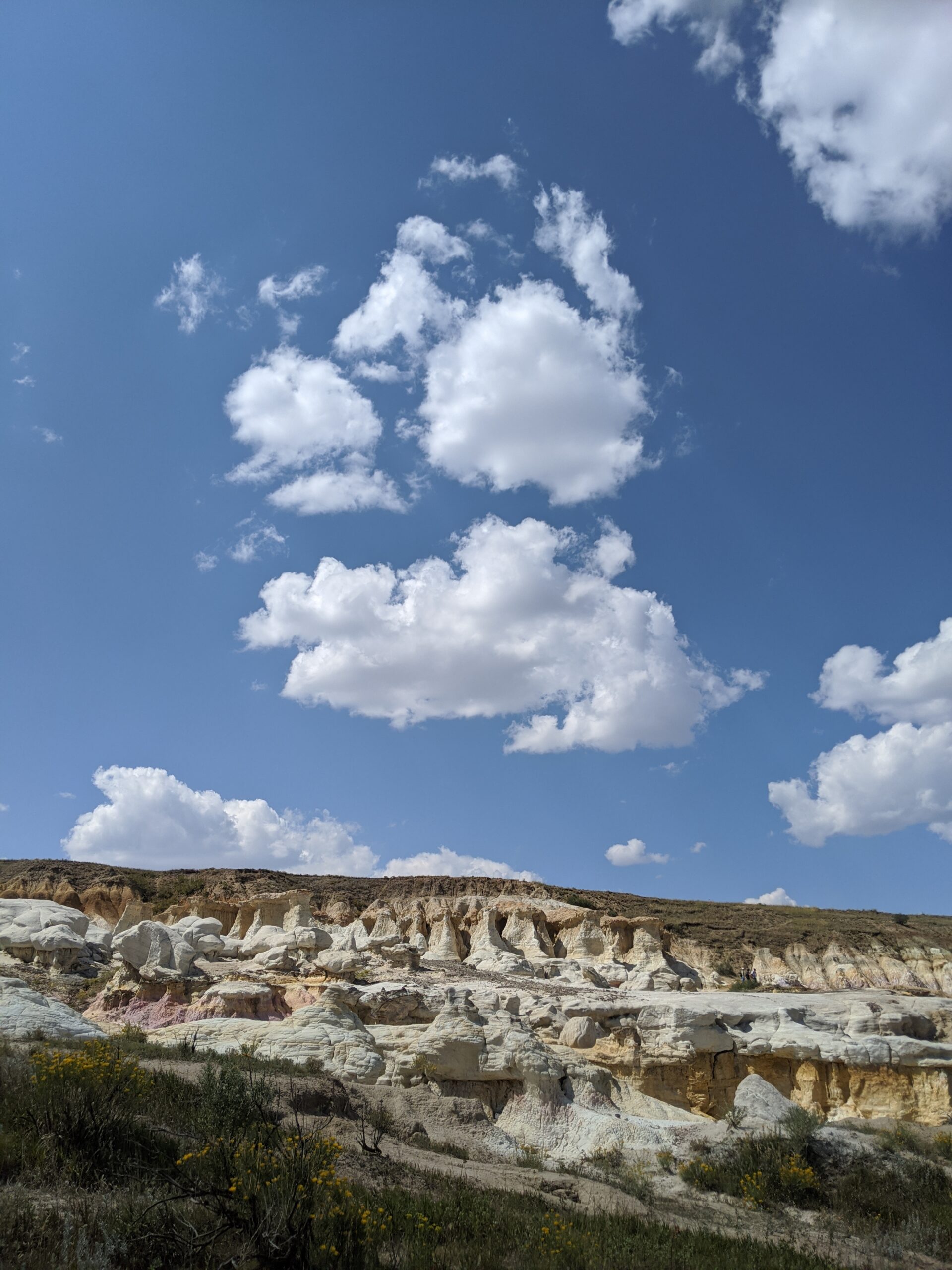
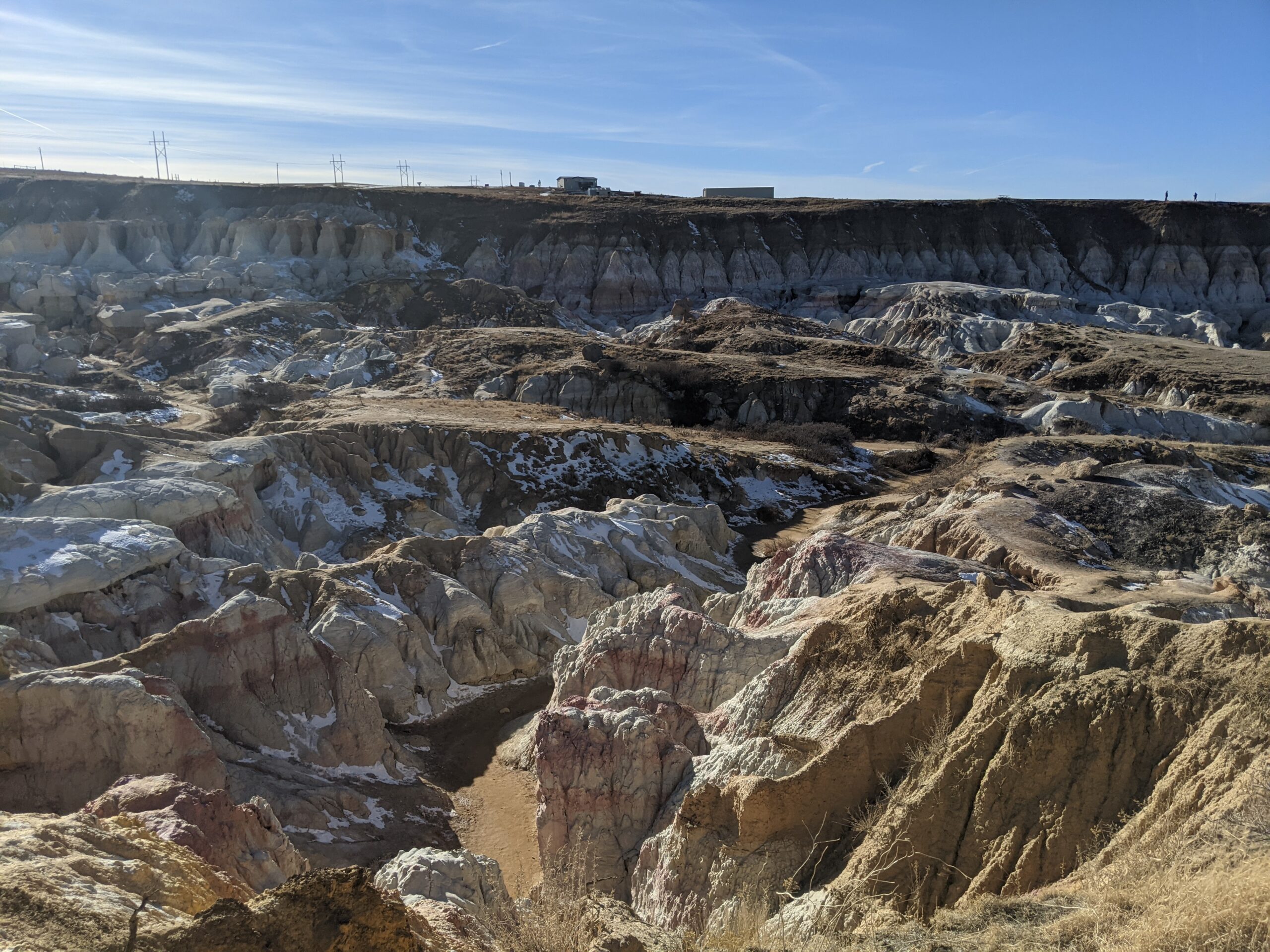
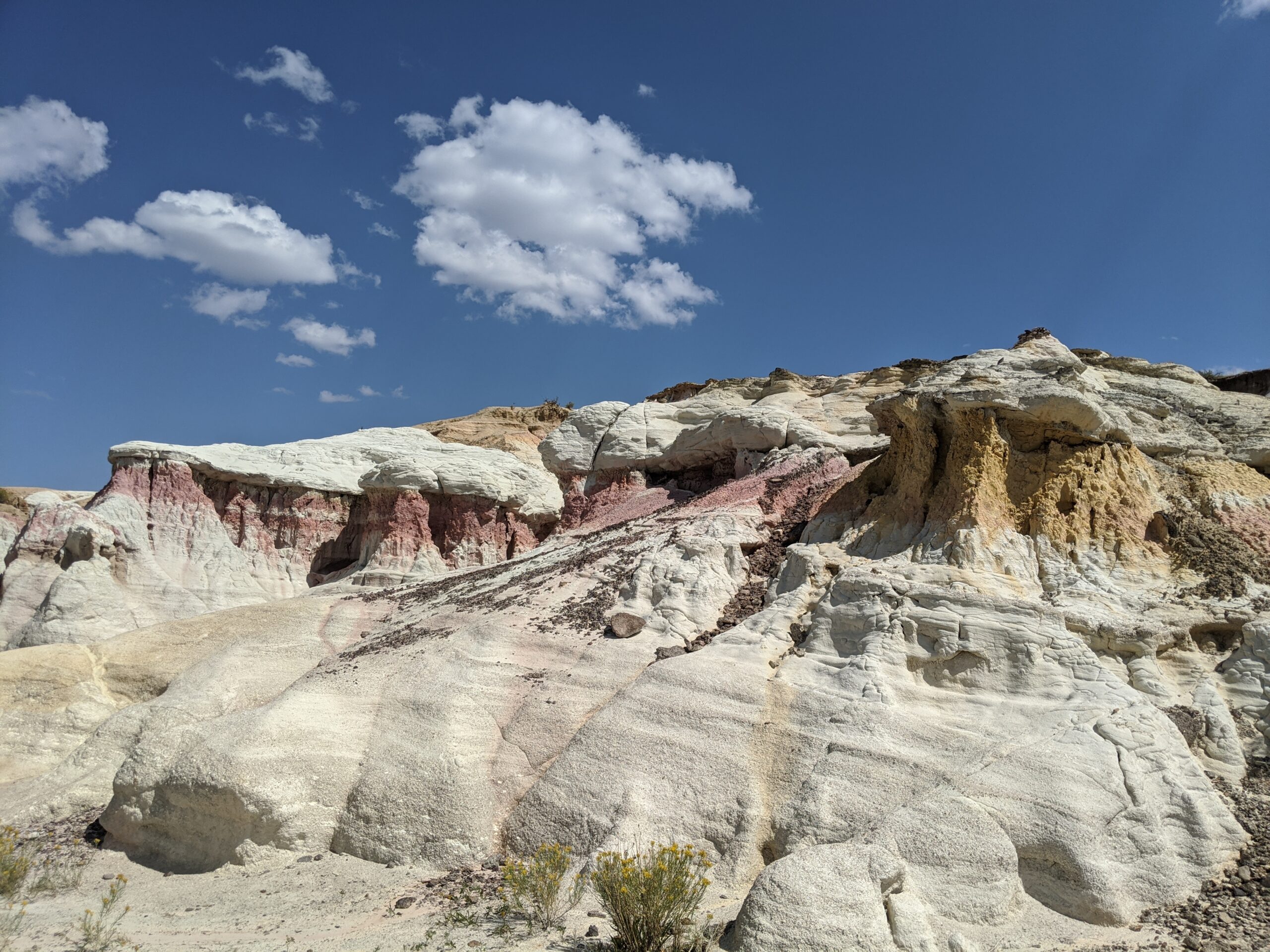
Paint Mines Interpretive Park, located near Calhan in El Paso County, Colorado, is one of the region’s most unique and colorful natural treasures. Covering 750 acres, the park is famous for its dramatic hoodoos, spires, and sculpted clay formations layered in shades of red, yellow, orange, and purple. Rich in both natural and cultural history, the Paint Mines offer a rare glimpse into the geology and heritage of Colorado’s eastern plains.
Trails and Recreation
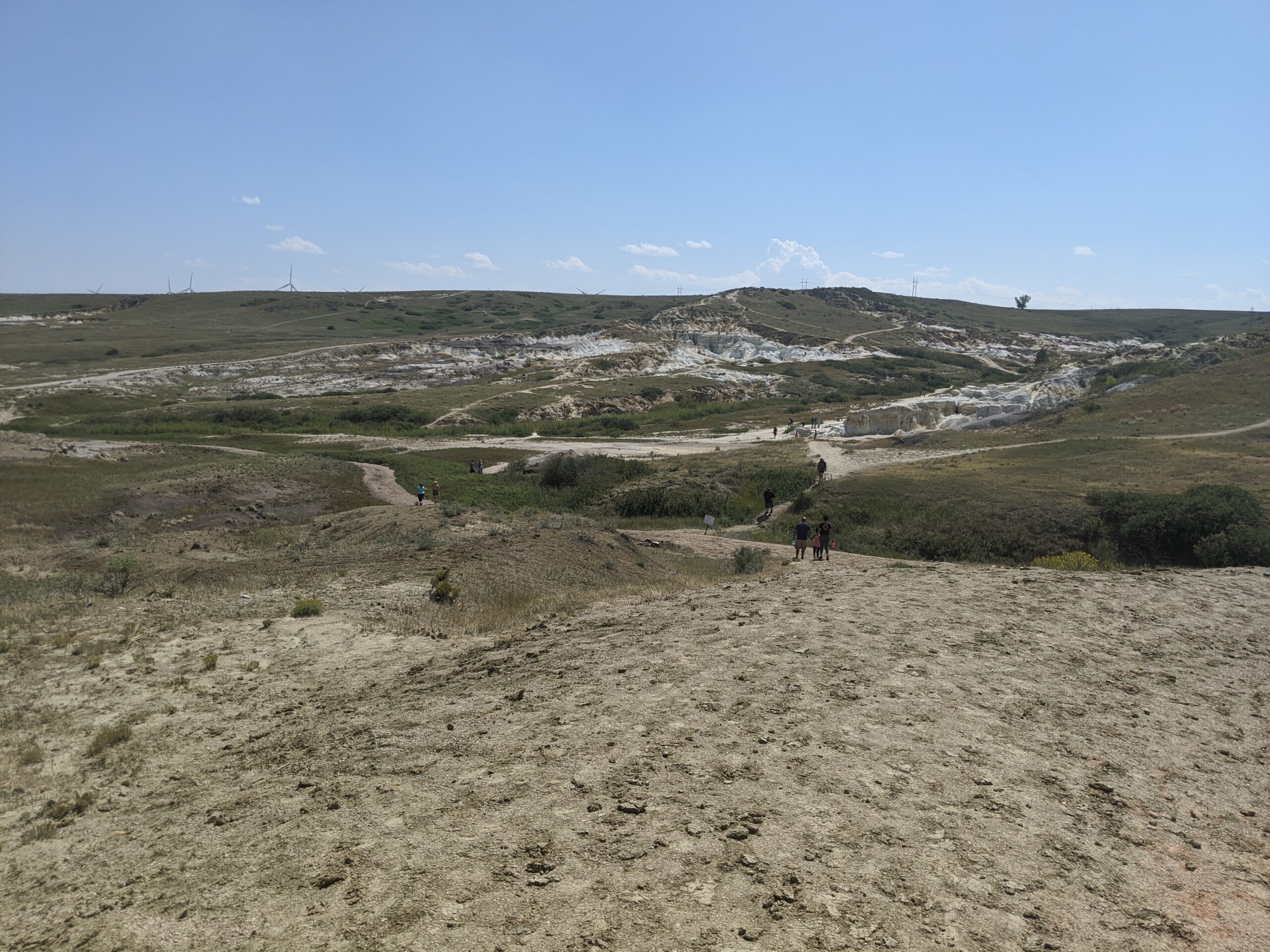
The park features four miles of interpretive trails that wind through rolling prairie and into the vibrant badlands below. Trails are non-motorized and open to hikers, trail runners, and families seeking a one-of-a-kind outdoor experience. Interpretive signs along the way highlight the park’s geology, ecology, and human history. Because the formations are fragile, visitors are asked to stay on designated trails.
History and Archaeology
The Paint Mines have been a cultural landmark for thousands of years. Archaeological evidence shows that Native American peoples, including the Apache and Comanche, used the colorful clay for pottery and ceremonial paints as far back as 9,000 years ago. Remnants of quarrying and stone tools have been found throughout the park, underscoring its importance as both a natural and cultural resource.
Wildlife and Scenery
Beyond its geologic wonders, the park is home to pronghorn, coyotes, mule deer, and a variety of grassland birds. In spring and summer, wildflowers add bursts of color to the prairie, while sweeping views of Pikes Peak rise in the distance. The contrast of bright rock formations against the open sky makes this one of the most photogenic landscapes in El Paso County.
Plan Your Visit
Paint Mines Interpretive Park is located just south of Calhan, Colorado, about 35 miles northeast of Colorado Springs. Parking, restrooms, and trailhead access are available at the main entrance off Paint Mine Road. The park is open daily from dawn to dusk, with no entrance fee. Dogs and other pets are not permitted, in order to protect fragile resources and wildlife.
More Information: https://parks.elpasoco.com/parks-and-recreation/paint-mines-interpretive-park/