Pancake Rocks Trail

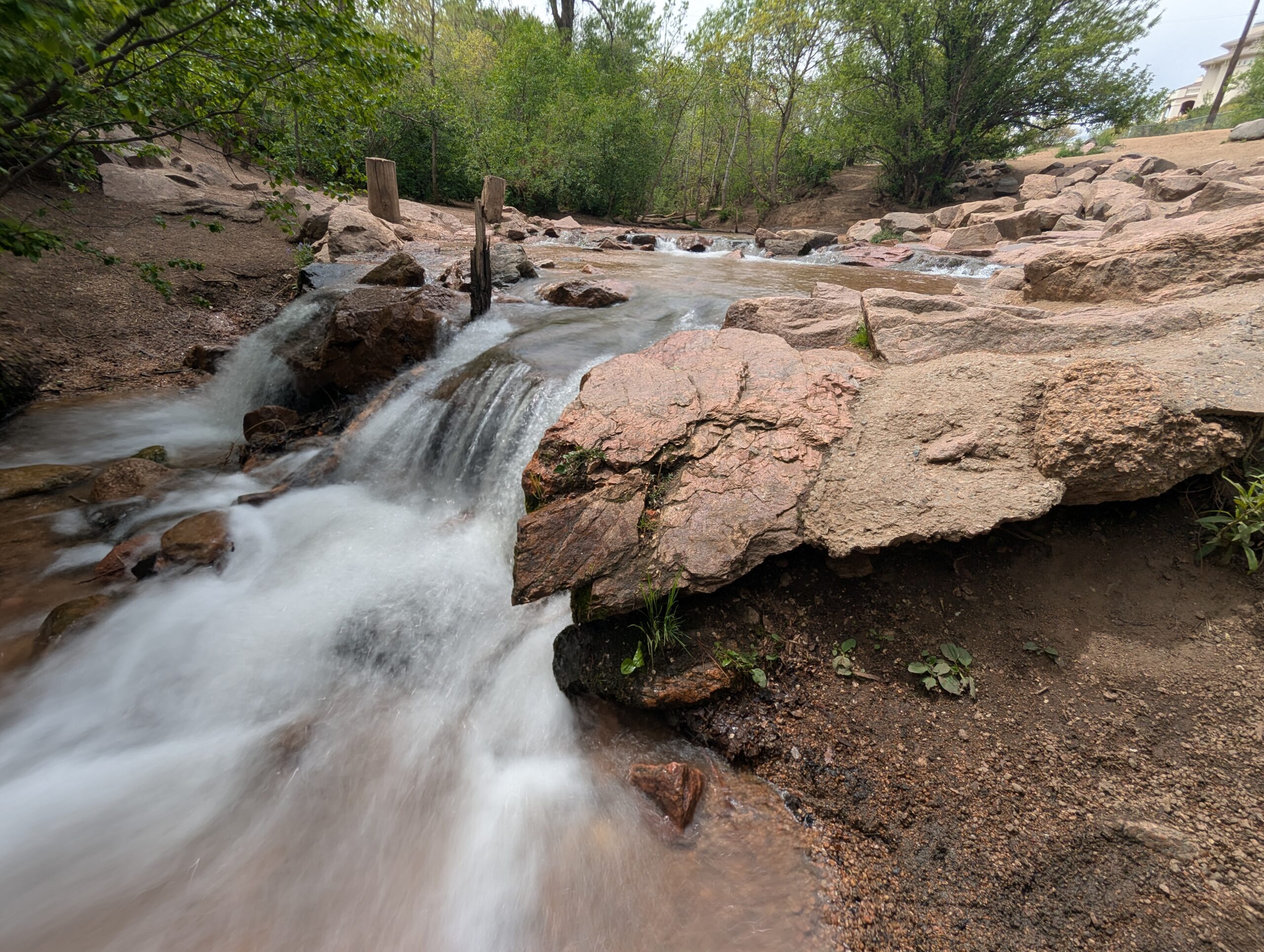
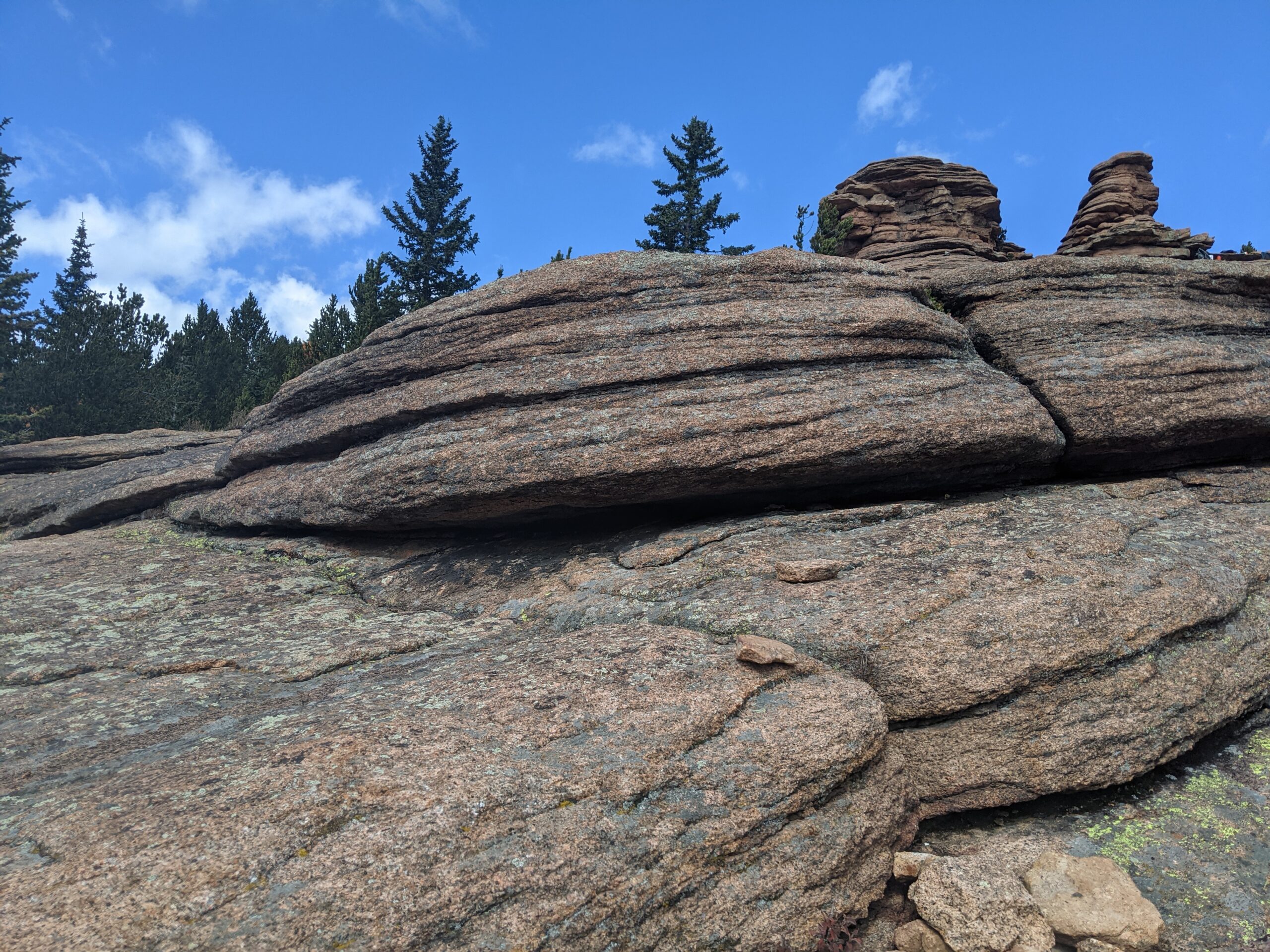
The Pancake Rocks Trail near Cripple Creek is one of the most beloved high-country hikes in the Pikes Peak region, famous for its unusual, layered rock formations that resemble a towering stack of pancakes. At over 10,000 feet in elevation, this hike combines geological wonders, sweeping views, and a true alpine adventure.

Trails and Hiking

The trail to Pancake Rocks begins from Horsethief Park and climbs steadily through spruce and fir forest. Hikers can expect about 6 miles round trip with roughly 1,200 feet of elevation gain, making it a moderate-to-challenging trek. The highlight is reaching the natural sandstone and granite formations, where the rock has weathered into stacked, flat shelves that look like giant pancakes tipped on their side.

Wildlife and Scenery

Along the way, hikers are treated to dense forest, alpine meadows, and breathtaking views of Pikes Peak’s south slopes and the surrounding Teller County high country. Wildlife sightings often include marmots, pikas, mule deer, and a variety of alpine birds. In late summer, wildflowers add splashes of color to the meadows, while fall brings golden aspen groves.

History

The Pancake Rocks area has long been a favorite local hike, with its unique formations formed over millions of years by erosion and uplift. Once traveled by miners and early settlers moving between Cripple Creek and Divide, today it is a treasured recreational destination managed by the Pike National Forest.

Plan Your Visit

Location: Access off CO Highway 67 between Divide and Cripple Creek.  The Horsethief Park Trailhead is closest.
Parking: Parking strip along HWY with various pulloffs further away.
Hours: Open year-round, though snow and ice can make the trail difficult outside of summer and fall.
Tips:

  • At high elevation, weather changes quickly—dress in layers and be prepared for storms.

  • Bring plenty of water; there are no reliable water sources on the trail.

  • Dogs are allowed but should be leashed to protect wildlife and fellow hikers.

  • Start early to avoid afternoon thunderstorms common in summer.

With its striking rock formations and spectacular alpine views, Pancake Rocks is a one-of-a-kind hike that rewards every step of the climb.

Bear Creek Regional Park

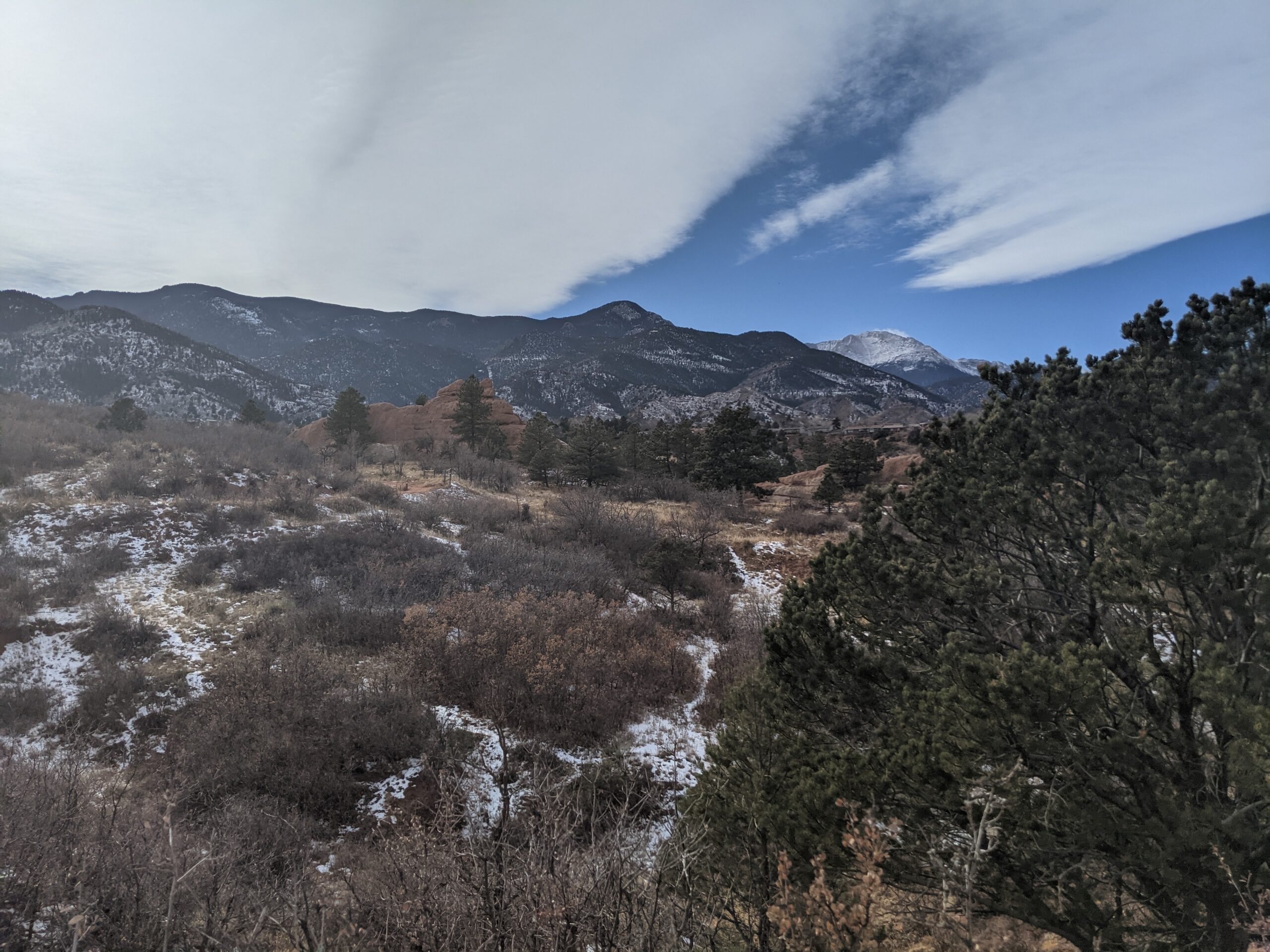
Bear Creek Regional Park is a sprawling 545 acre park nestled in the foothills of Colorado Springs, operated by El Paso County. It offers a rich mix of active recreation and natural spaces, making it a unique destination for both community gatherings and nature escapes.
Trails and Recreation

Ten miles of multi purpose, non motorized trails traverse the park, linking its various sectors. Visitors can jog, bike, hike, or ride horseback on these trails, many of which wind through prairie, riparian zones, and gentle hills. The park also includes picnic pavilions, playing fields, tennis courts, basketball courts, an archery range, volleyball areas, horseshoe pits, and playgrounds across its different areas.

Bear Creek Dog Park

Within the park lies a 25 acre fenced off leash dog area, one of El Paso County’s most visited facilities, drawing over 100,000 visitors each year. The dog park includes open prairie, wooded hills, a third mile stretch of Bear Creek, walking trails with a primary three quarter mile loop, and secondary paths. A separate two acre section is reserved for small and senior dogs. Amenities include creek access, water fountains, a dog wash area, restrooms, bag dispensers, shade, and benches.

Bear Creek Nature Center

The Bear Creek Nature Center (245 Bear Creek Road) serves as the educational hub of the park. It offers interpretive programs, guided and self guided tours, interactive nature exhibits, and seasonal events for families and school groups. Trails around the center highlight the area’s natural beauty and habitat but may have restrictions to protect sensitive wildlife.

Charmaine Nymann Community Garden

The Charmaine Nymann Community Garden is a two acre organic garden maintained by the Bear Creek Garden Association. It features 104 full size plots, underground water delivery, and secure fencing. Gardeners pay annual fees that cover soil tilling, water, and maintenance, and many donate surplus produce to local nonprofits.

Wildlife and Scenery

Bear Creek blends riparian corridors, prairie, and foothill terrain. Expect to see cottonwoods, scrub oak, ponderosa pines, and open meadows. Wildlife includes mule deer, coyotes, songbirds, raptors, and aquatic species near the creek. Seasonal bird migrations, wildflowers, and creekside reflections make the park especially scenic.

History

The land that now forms Bear Creek Regional Park has transitioned from historic poor farm and garden operations to one of the most loved open spaces in the region. Today the park is divided into East, Terrace, Dog Park, and Nature Center areas, balancing both active recreation and conservation.

Plan Your Visit

Location: Access via 21st Street and West Rio Grande for Bear Creek East, 21st Street and Argus for Bear Creek Terrace, and Bear Creek Road for the Nature Center.
Hours: 5:00 a.m. to 9:00 p.m. daily
Parking: Multiple parking lots serve the East, Terrace, Dog Park, and Nature Center areas.
Tips:

  • Pets must be on leash in all areas except the dog park

  • Follow signage around the Nature Center as some trails have pet and bike restrictions

  • Check the Nature Center schedule for programs and events

  • Community garden plots are available seasonally through the Bear Creek Garden Association

Red Rock Canyon Open Space

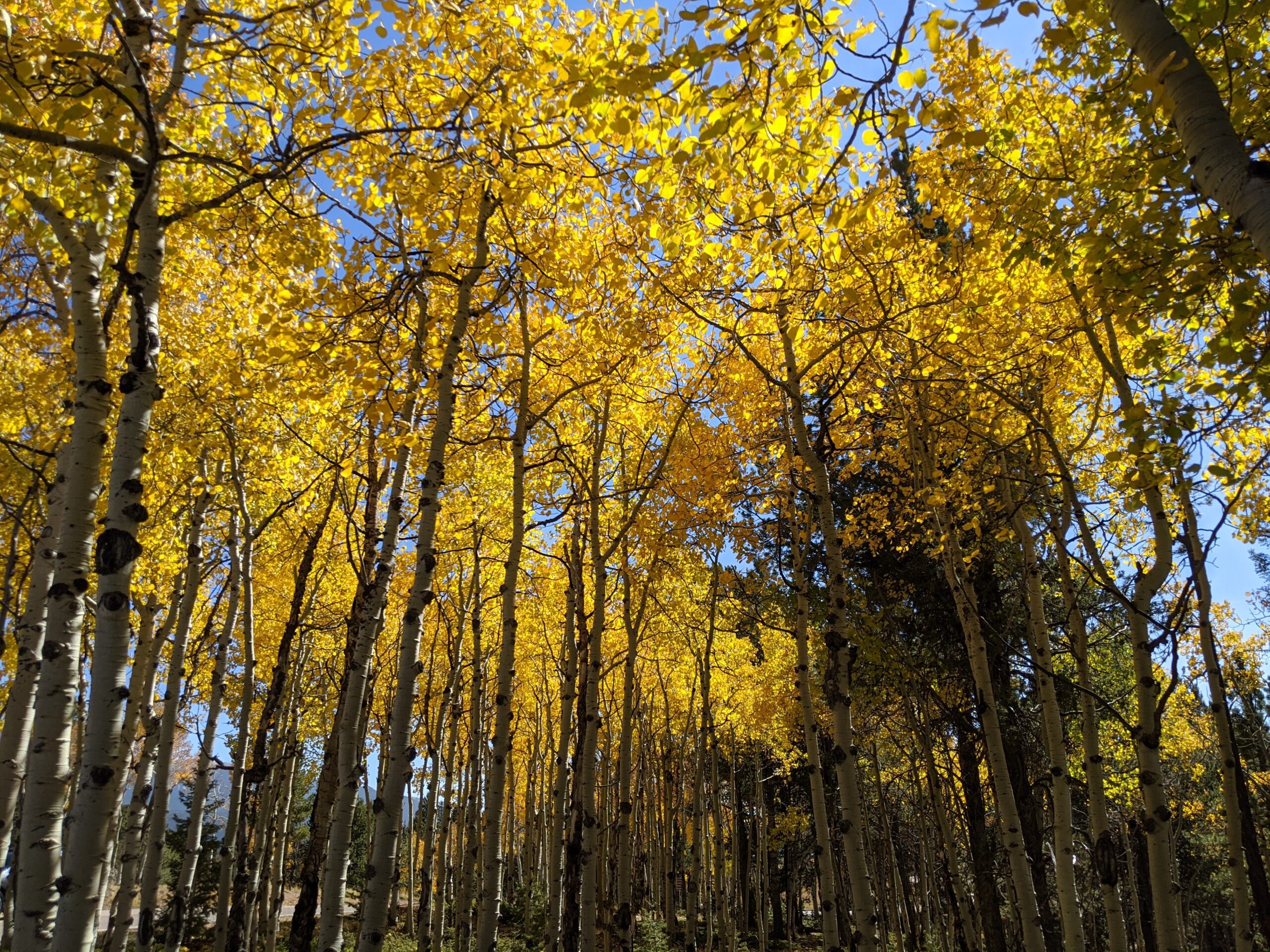
Red Rock Canyon Open Space is a 1,470-acre city preserve on the west side of Colorado Springs, showcasing tilted red-sandstone hogbacks, former quarry walls, and big views toward Pikes Peak. A network of multi-use trails winds through canyons, mesas, and reclaimed quarry benches, making it a favorite for hikers, runners, cyclists, climbers, and dog owners.
Trails and Recreation

More than 15 miles of natural-surface trails link canyon floors to mesa-top overlooks and connect south to the Intemann Trail and Manitou’s trail system. Signature routes include Red Rock Canyon, Mesa, Greenlee, Sand Canyon, and Roundup—easy to moderate loops you can mix and match. A designated freeride/skills area offers bike features from beginner to advanced. Rock climbing is allowed on established routes (free annual City permit required); always check for any seasonal closures.

Amenities and Features

You’ll find restrooms, trail maps, and multiple parking areas at the main entrance. Two signed off-leash dog loops (Upper and Lower) give pups room to roam; elsewhere, dogs must be leashed. Picnic spots are tucked along the lower trails, and wayfinding is posted at major junctions.

Wildlife & Scenery

Expect classic Front Range scenery—red walls, juniper and piñon on sunny slopes, and cottonwoods along the drainages. Mule deer, foxes, raptors, and a wide variety of songbirds frequent the open space. Sunrise and sunset light the sandstone and quarry faces in deep oranges and reds—prime time for photos.

History

For more than a century, these canyons supported sandstone quarries, gravel pits, and other industry. The City purchased the property in 2003 using TOPS (Trails, Open Space and Parks) funds, opened it to the public in 2004, and later expanded it with adjacent parcels like White Acres. Today’s trails follow old quarry roads and bench cuts, turning a once-industrial landscape into a premier urban open space.

Plan Your Visit

Location: Main entrance at 3550 W High St, Colorado Springs, CO 80904 (access via S 31st St off US-24)
Hours: Generally 5:00 a.m. – 9:00 p.m. (seasonal gate hours may vary)
Parking: Primary lots at the W High St entrance; additional small lots serve southern access points
Know Before You Go: Stay on designated trails to protect fragile soils; observe posted climbing rules and any wildlife closures; off-leash only in the signed dog loops.

Mueller State Park

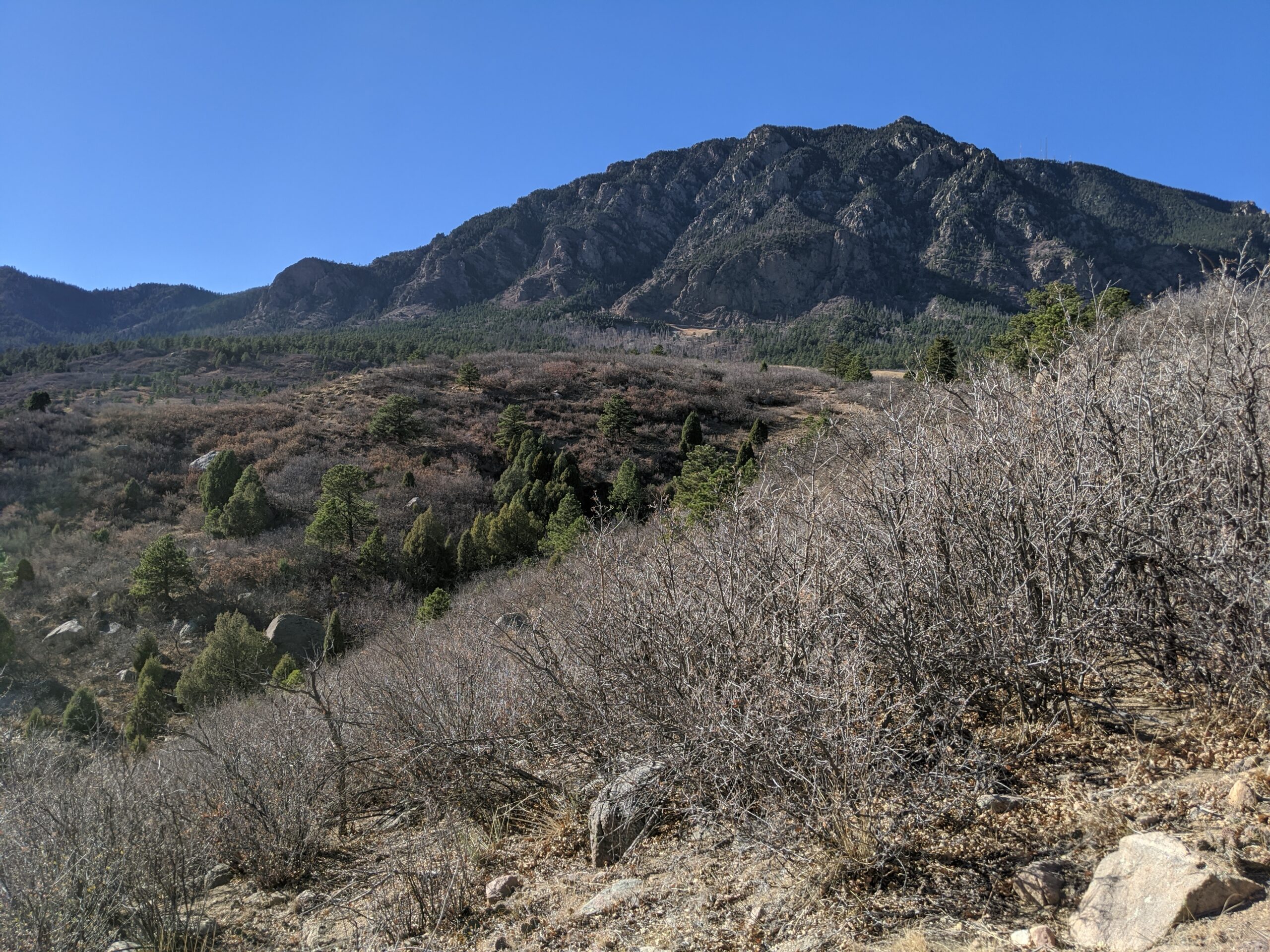
Mueller State Park, located just south of Divide, Colorado, is a 5,000-acre mountain paradise showcasing the best of Colorado’s outdoors. Known for its sweeping views of Pikes Peak, aspen-filled meadows, and dense forests, the park offers year-round recreation for hikers, campers, wildlife enthusiasts, and families seeking adventure.
Recreation and Amenities

The park features more than 50 miles of trails for hiking, mountain biking, and horseback riding. In winter, visitors can enjoy cross-country skiing, snowshoeing, and sledding. Mueller is also a popular camping destination, with over 100 campsites (including RV, tent, and cabins) available, as well as picnic areas and an amphitheater for ranger-led programs.

Wildlife & Scenery

Wildlife is abundant at Mueller, making it a favorite spot for nature lovers. Elk, mule deer, black bears, foxes, coyotes, and a wide variety of birds call the park home. In autumn, golden aspens light up the hillsides, while year-round views of Pikes Peak create a stunning backdrop for outdoor exploration.

History

Once part of a large cattle ranch, Mueller State Park was purchased by the State of Colorado in 1979 and officially opened to the public in 1991. Its establishment was made possible through Great Outdoors Colorado (GOCO) lottery funds, ensuring that this mountain landscape would be preserved and enjoyed by future generations.

Plan Your Visit

Location: 21045 CO-67, Divide, CO 80814
Hours: Open year-round, 5:00 a.m. – 10:00 p.m.
Fees: Daily vehicle entry fee or annual state parks pass required.
Parking: Multiple lots available near trailheads, visitor center, and campground.

Cheyenne Mountain State Park

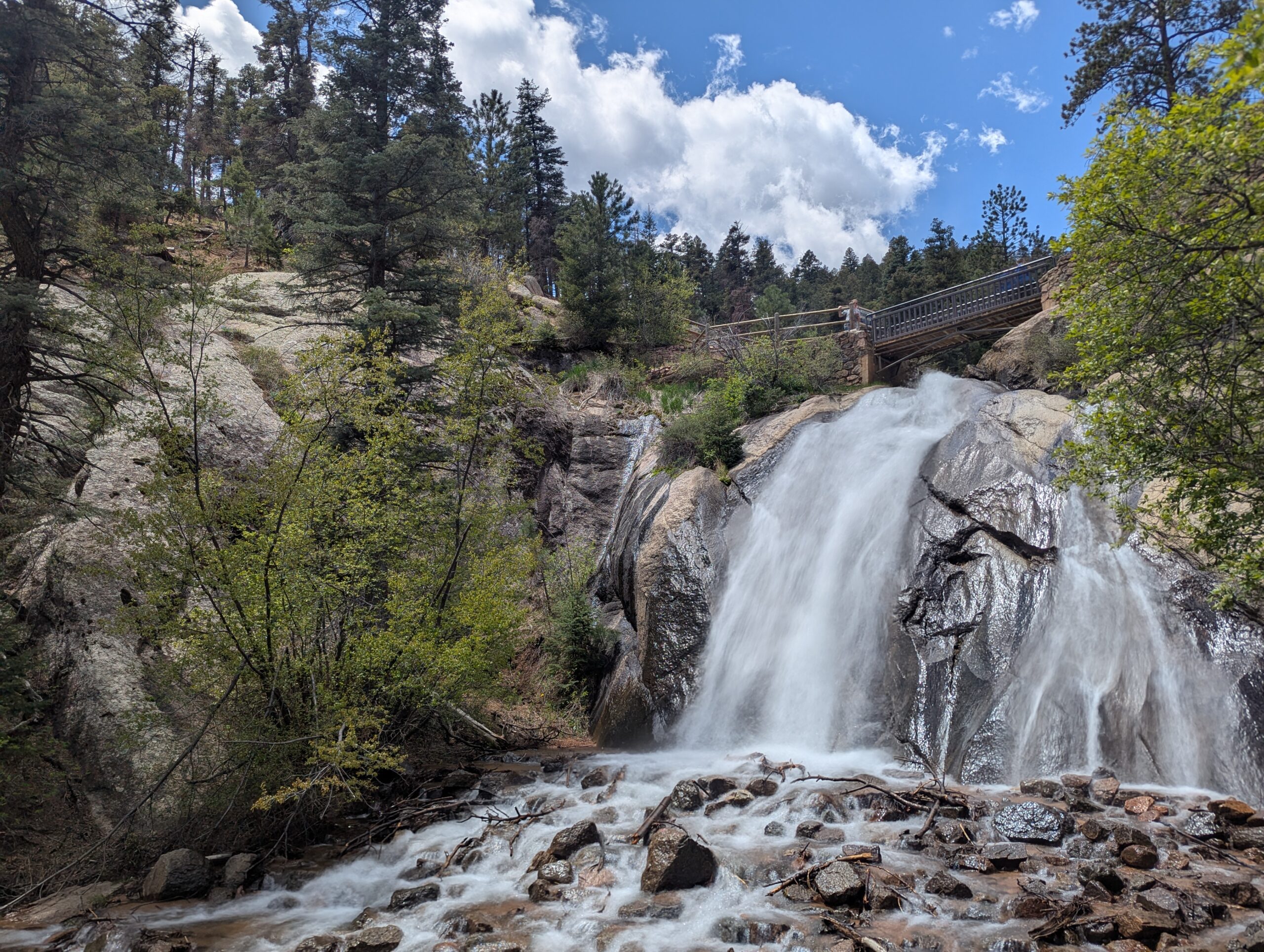
Cheyenne Mountain State Park, located at the base of Colorado Springs’ iconic Cheyenne Mountain, is one of the region’s premier outdoor recreation destinations. Spanning over 2,700 acres, this Colorado Parks & Wildlife gem offers diverse wildlife, miles of trails, and one of the best examples of preserved foothill ecosystems along the Front Range.
Trails and Recreation

The park boasts more than 28 miles of trails, open to hikers, trail runners, and mountain bikers. Trails wind through prairie grasslands, scrub oak, and pine forest, offering varied terrain and stunning views of both the city and the mountains. The Dixon Trail, a challenging backcountry route, leads adventurers toward the top of Cheyenne Mountain for an unforgettable vista. The park also features an archery range, picnic areas, and a modern campground with RV hookups, cabins, and tent sites.

Wildlife and Scenery

Cheyenne Mountain State Park is known for its incredible biodiversity. Visitors may spot mule deer, elk, coyotes, black bears, and mountain lions, as well as an abundance of bird species like hawks and bluebirds. Its location at the transition zone between plains and mountains makes it a living classroom for ecology and a scenic retreat for nature lovers.

History

The park opened in 2006 as Colorado’s newest state park, preserving a landscape that had remained largely undeveloped. Named for the Ute word “Shayan,” Cheyenne Mountain has long been a landmark and cultural touchstone for Indigenous peoples, pioneers, and now, outdoor enthusiasts. The park continues to protect natural resources while providing carefully managed access to the public.

Plan Your Visit

  • Location: 410 JL Ranch Heights Road, Colorado Springs, CO 80926

  • Parking: Multiple paved lots are available near trailheads, the visitor center, and the campground. Accessible parking is provided.

  • Hours: Open daily, 5:00 a.m. – 10:00 p.m. The visitor center operates with seasonal hours.

  • Fees: A daily vehicle pass or Colorado State Parks pass is required.

  • Tips: Trails are multi-use, so watch for hikers and bikers. Pets are welcome but must remain leashed. Reservations are recommended for camping.

With its sweeping landscapes, abundant wildlife, and modern amenities, Cheyenne Mountain State Park is the perfect place to hike, camp, and reconnect with nature just minutes from downtown Colorado Springs.

North Cheyenne Cañon Park (City of Colorado Springs)

Nestled at the base of Pikes Peak on the southwest edge of Colorado Springs, North Cheyenne Cañon Park is a 1,600-acre natural area known for its steep canyon walls, cascading streams, and dense forests of pine and fir. Established in 1885, it is one of the region’s oldest and most beloved parks, offering a dramatic gateway into the mountains while protecting critical wildlife habitat and watershed resources.


Recreation and Trails

North Cheyenne Cañon Park features over 20 miles of trails for hikers, runners, and mountain bikers, with access to longer backcountry routes extending into surrounding forest lands. Popular destinations include Helen Hunt Falls, one of the most accessible waterfalls in the region, and the Seven Bridges Trail, a scenic route that follows a creek through a shaded canyon.

The park is also home to two key visitor hubs: the Starsmore Visitor and Nature Center, which offers exhibits, educational programs, and trail information, and the Helen Hunt Falls Visitor Center, where visitors can learn about the canyon’s geology, ecology, and history while enjoying views of the falls. The park also connects to Gold Camp Road, a historic corridor offering both recreational access and expansive views.


Wildlife and Scenery

The canyon’s varied terrain supports a wide range of wildlife, including mule deer, black bears, foxes, and numerous bird species. Streams flowing through the canyon create lush riparian zones, while higher elevations transition into dense conifer forests. Seasonal changes bring vibrant wildflowers in spring, cool shaded hikes in summer, golden aspen in fall, and quiet snow-covered landscapes in winter.


History

For generations, Indigenous peoples traveled through this canyon before it became a destination for early settlers and visitors seeking mountain scenery. North Cheyenne Cañon was officially established as a city park in 1885 through land donations by General William Jackson Palmer and others. Over time, the park became a cornerstone of Colorado Springs’ park system, preserving both natural beauty and access to the mountains for the community.


Plan Your Visit

Location: 2120 S. Cheyenne Canyon Rd, Colorado Springs, CO 80906
Parking: Multiple parking areas throughout the canyon, including at trailheads, the Starsmore Visitor and Nature Center, and Helen Hunt Falls
Hours: Open daily, typically 5:00 AM to 9:00 PM (seasonal variations may apply)
Fees: No entry fee

Tips:

  • Stop at the Starsmore Visitor and Nature Center for maps, exhibits, and current trail conditions
  • Visit early, especially on weekends, as parking fills quickly
  • Stay on designated trails to protect sensitive habitat
  • Bring layers—temperatures can vary significantly in the canyon

With its towering canyon walls, flowing waterfalls, and educational visitor centers, North Cheyenne Cañon Park offers a classic Colorado experience just minutes from downtown.

Palmer Park

Palmer Park is one of Colorado Springs’ largest and most beloved urban parks, spanning more than 730 acres in the heart of the city. With rugged bluffs, panoramic overlooks, and miles of trails, the park feels like a wild escape just minutes from downtown.

Trails and Recreation

The park features over 25 miles of multi-use trails for hiking, running, mountain biking, and horseback riding. Popular routes like Yucca, Templeton, and Mesa Trails take visitors through sandstone formations, meadows, and forested ridges. The park also offers a dog park, playgrounds, and athletic fields, making it a favorite destination for families and outdoor adventurers alike.

Amenities and Features

Palmer Park is home to baseball and soccer fields, picnic shelters, restrooms, and wide-open spaces perfect for gatherings. The dog park is among the largest in the city, while Good Neighbors Meeting House (just outside the park) and nearby neighborhoods make it highly accessible. Overlooks such as Grandview Point provide sweeping views of Pikes Peak and the Front Range.

Wildlife & Scenery

From rugged sandstone spires to sweeping grasslands, Palmer Park offers an impressive variety of scenery. Visitors often spot mule deer, coyotes, rabbits, hawks, and songbirds while exploring the trails. Seasonal wildflowers add bursts of color in spring and summer, while the sandstone formations glow at sunrise and sunset.

History

Palmer Park was gifted to the city in 1902 by General William Jackson Palmer, the founder of Colorado Springs, as part of his vision to preserve natural lands for public enjoyment. For over a century, the park has served as both a community gathering space and a wilderness refuge within the city. Its size, history, and rugged beauty make it one of the crown jewels of Colorado Springs’ park system.

Plan Your Visit

Location: 3650 Maizeland Rd, Colorado Springs, CO 80909
Hours: 5:00 a.m. – 9:00 p.m. daily
Parking: Multiple lots located at trailheads, Grandview Overlook, and sports fields.

Translate »