
AUDUBON REDWING BLACKBIRD SANCTUARY – SPRING CREEK
(NOT OPEN TO THE PUBLIC)
(Spring Creek / South Academy & East Pikes Peak Corridor)
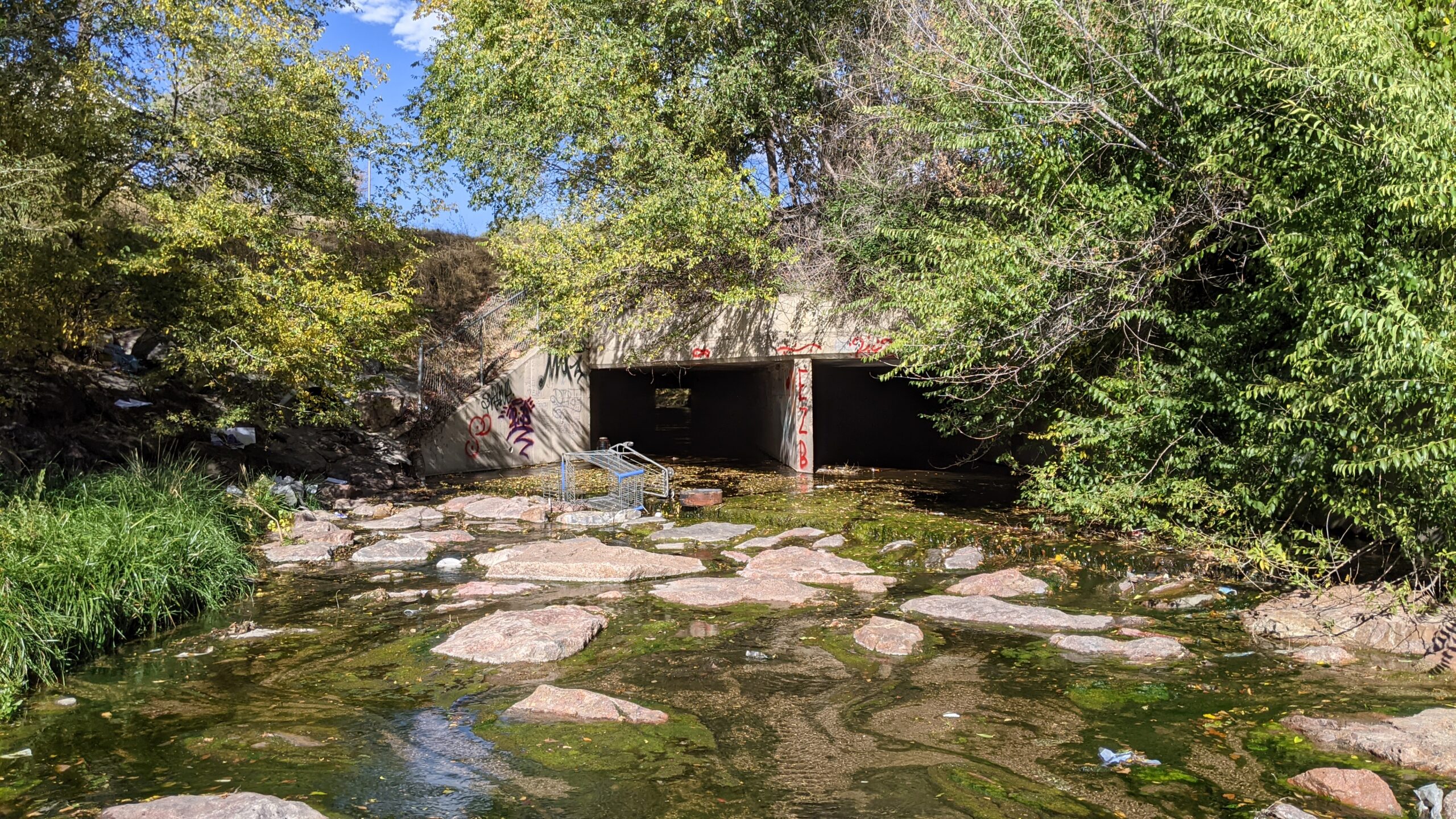
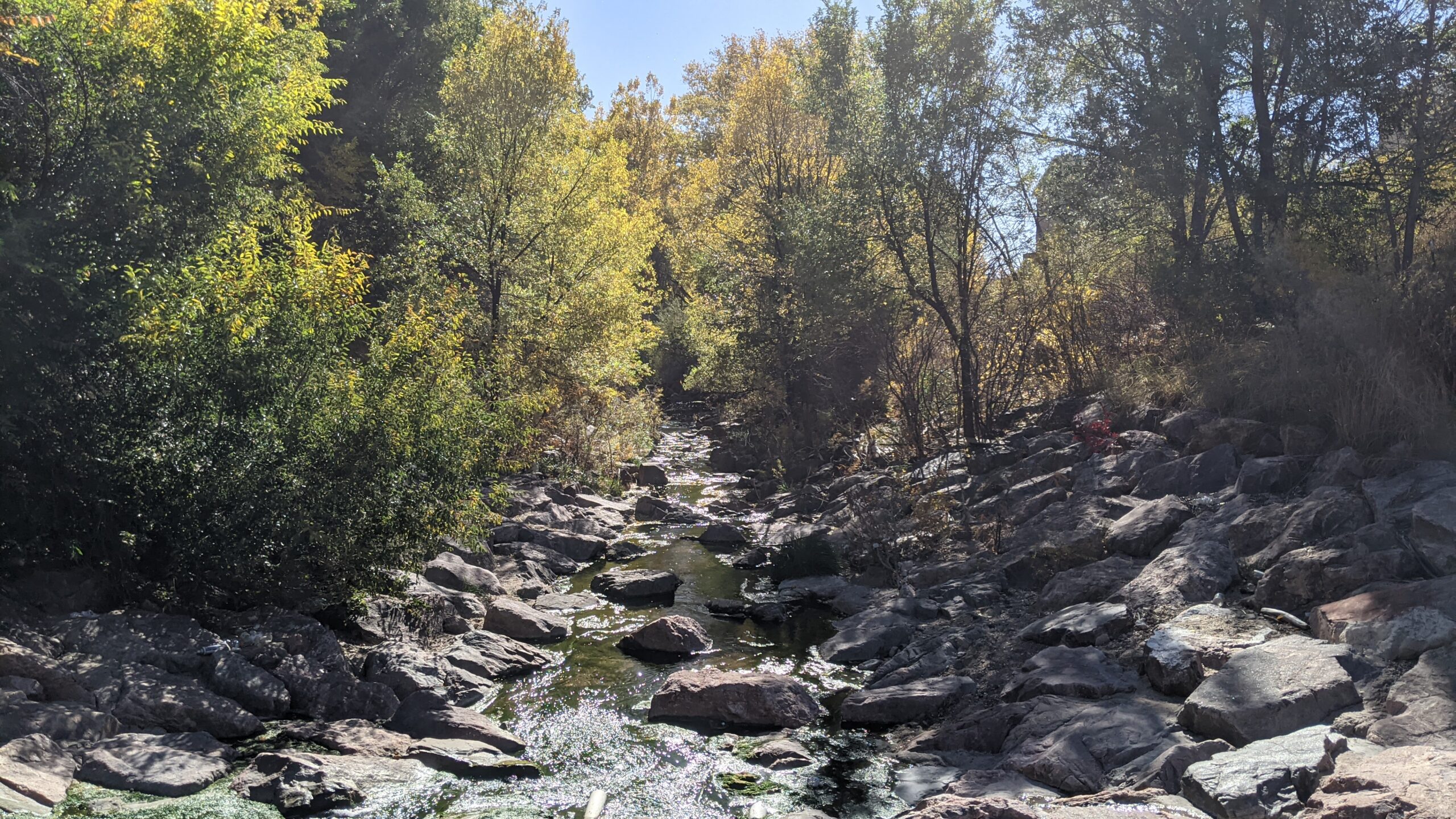
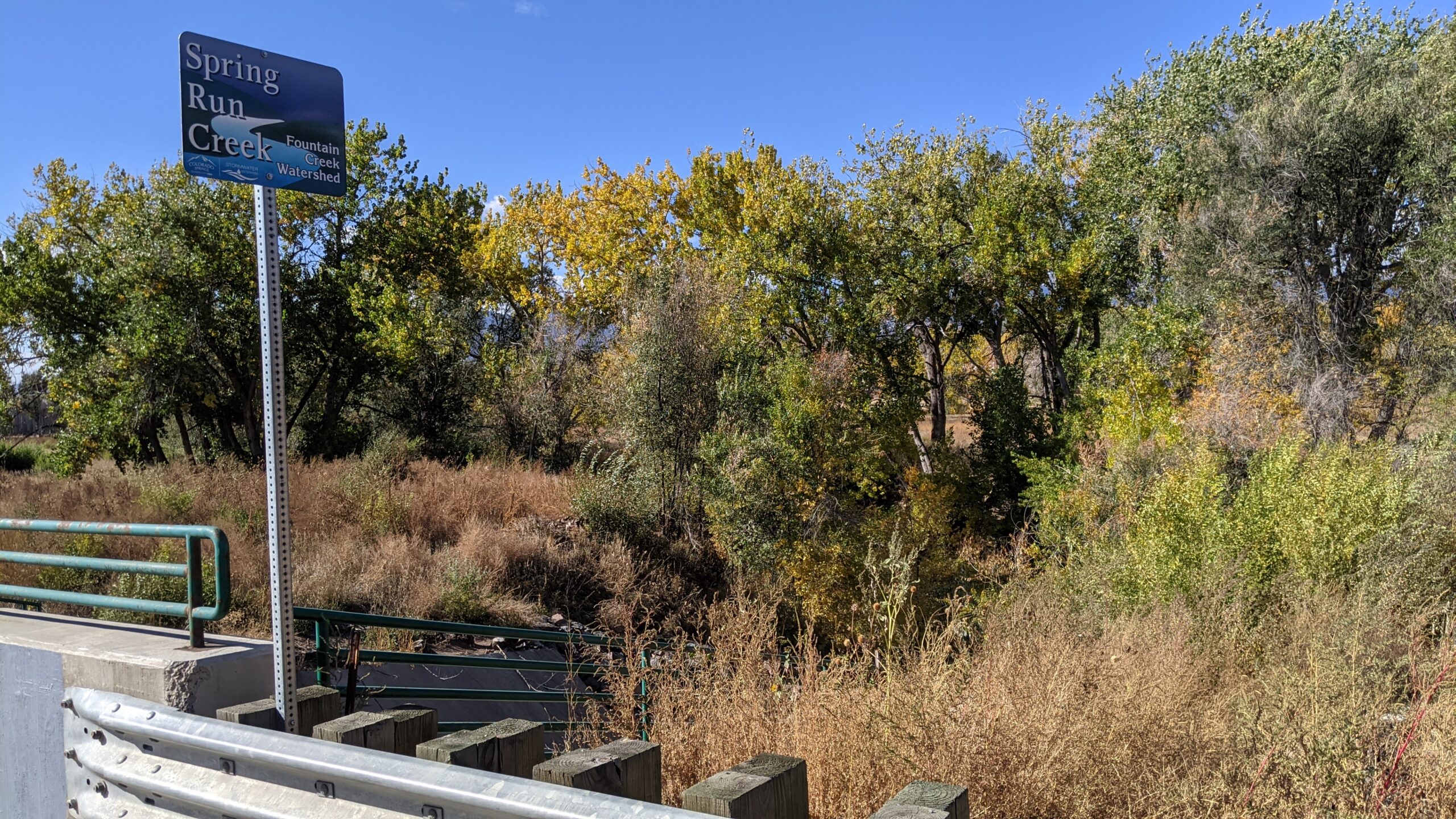
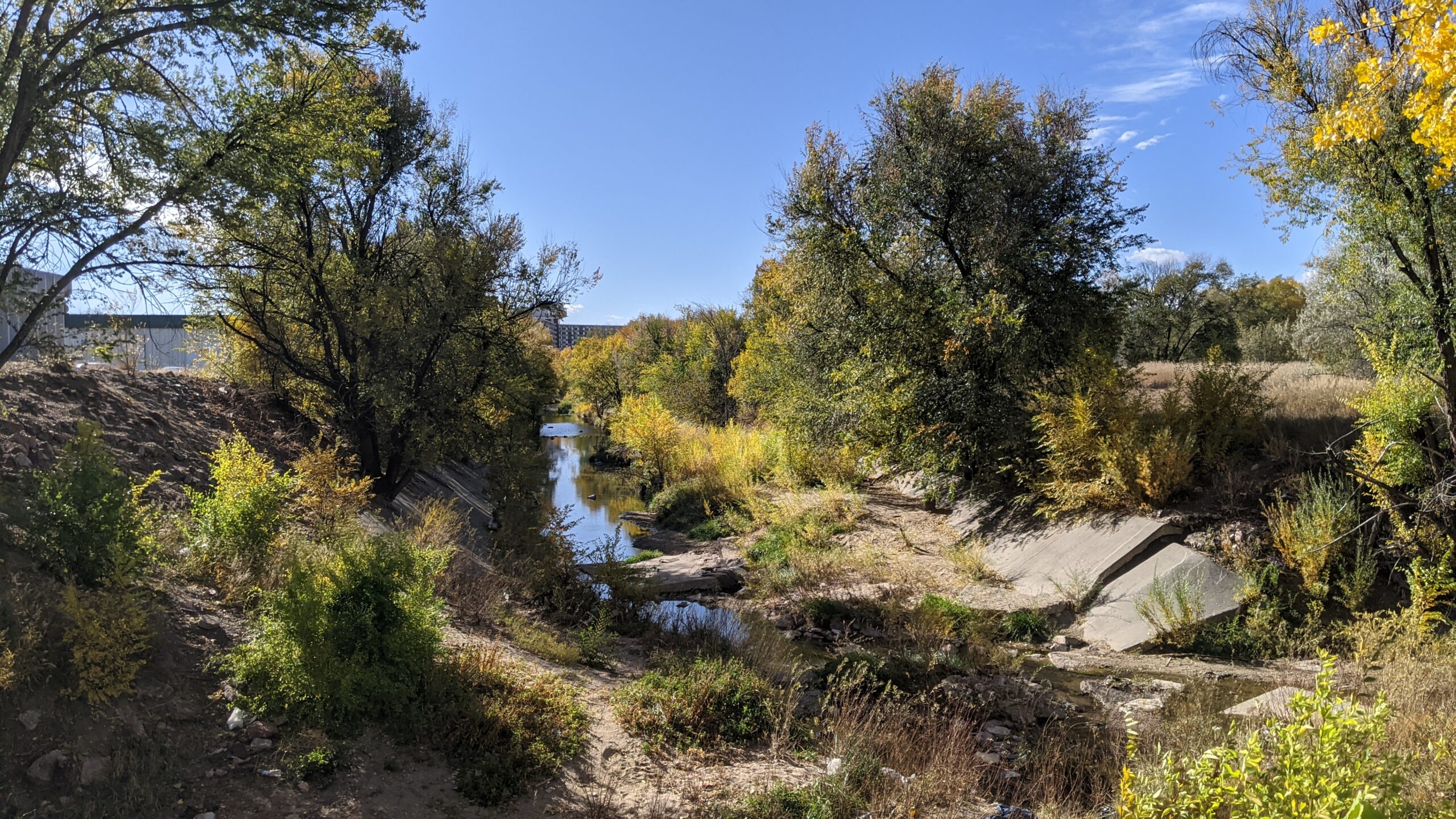
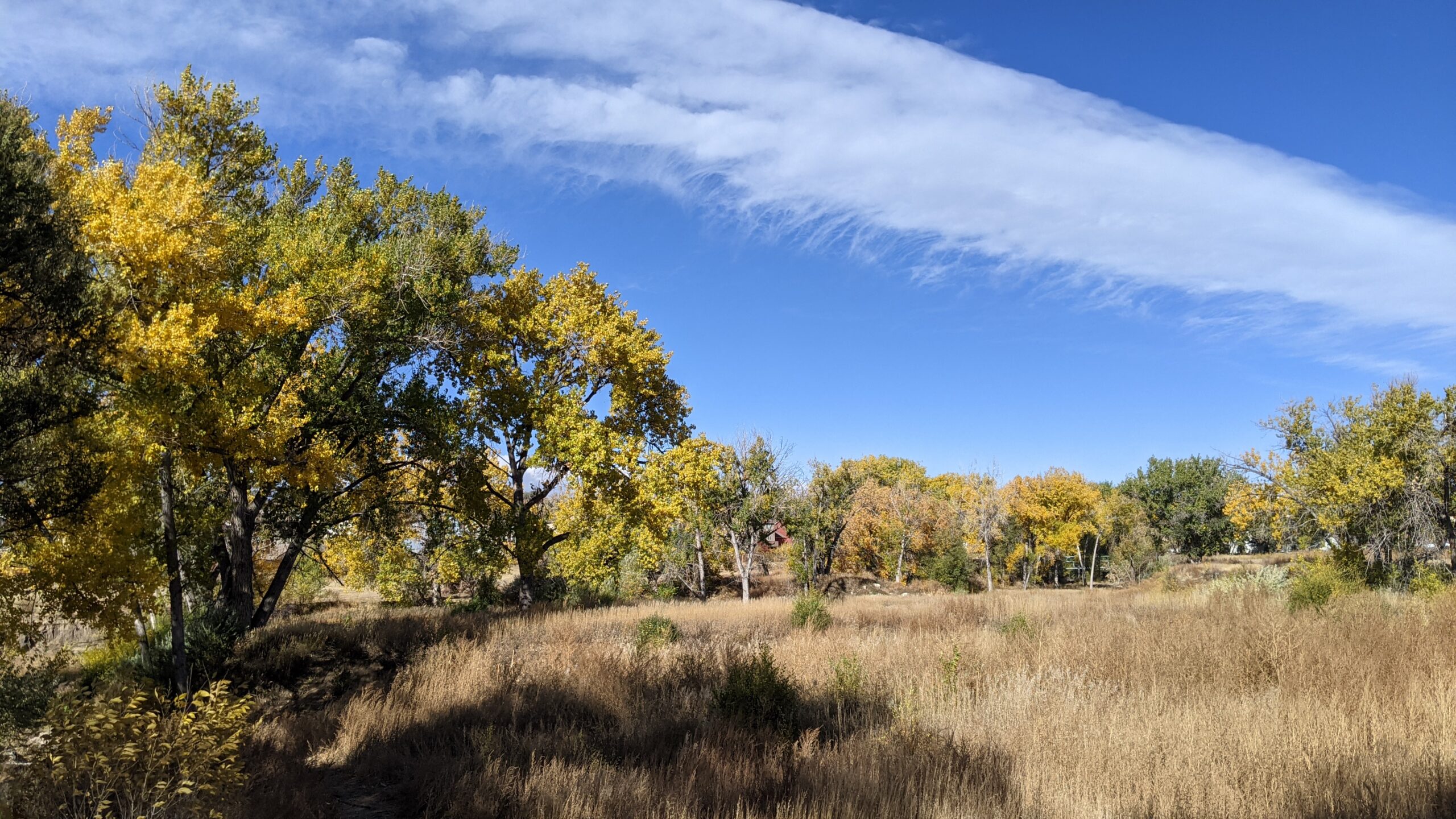
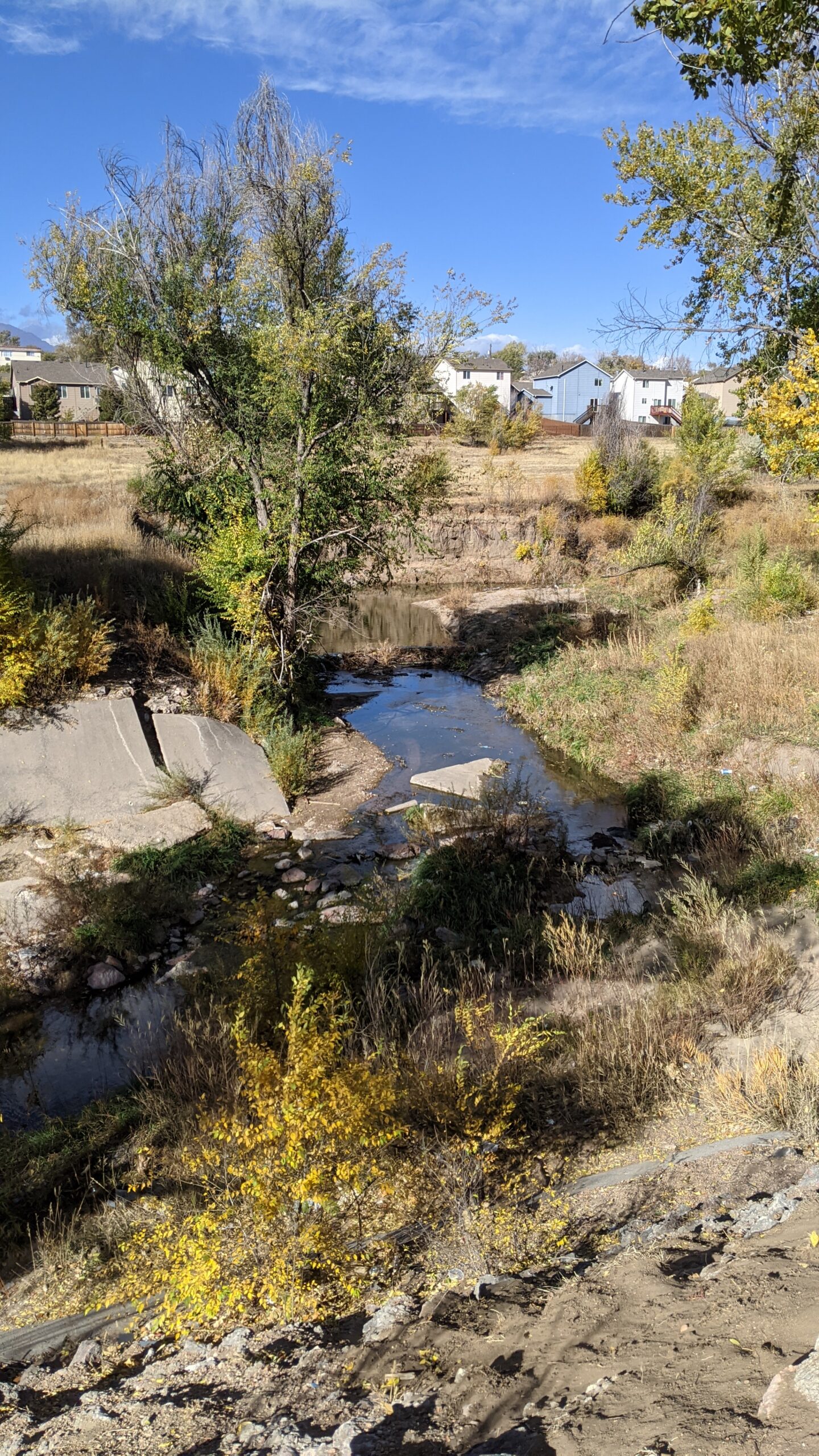
Overview The Audubon Redwing Blackbird Sanctuary is a sensitive, unmanaged natural area located along Spring Creek, near the intersection of South Academy Boulevard and East Pikes Peak Avenue (264 S. Academy Blvd) in Colorado Springs. This site is not a formal open space, developed park, or public recreational facility; it is preserved strictly as an urban wetland ecosystem and natural flood conveyance channel.
Public Access & Facilities
-
No Public Access: The sanctuary is closed to public entry to protect fragile wetland ecology and nesting wildlife.
-
No Trails or Amenities: There are no formal trails, parking areas, restrooms, or public infrastructure. Visitors and residents are required to stay clear of the site and avoid trespassing.
Site History & Ecological Role Historically, the riparian corridor along Spring Creek provided crucial marshy habitat and natural drainage within eastern Colorado Springs. As urban development expanded along the Academy and Pikes Peak corridors, this pocket of land survived as a vital refuge for native urban wildlife. Named for its long-standing role as a sanctuary for red-winged blackbirds, the area’s thickets, willow stands, and cattail marshes offer essential nesting, foraging, and stopover habitat for migratory songbirds and local species.
U.S. Army Corps of Engineers (USACE) & Restoration Efforts Because Spring Creek experiences heavy urban runoff and severe channel degradation, the U.S. Army Corps of Engineers (USACE), in partnership with local authorities, evaluated the corridor under the Spring Creek Aquatic Ecosystem Restoration Study. Key focus areas for the Army Corps and local partners include:
-
Aquatic & Wetland Ecosystem Restoration: Re-establishing degraded wetland functions, improving water quality, and replacing invasive vegetation with native riparian species.
-
Channel Stabilization & Erosion Control: Addressing severe bank erosion caused by high-velocity urban runoff, stabilizing the Spring Creek channel to protect surrounding municipal infrastructure and downstream water quality.
-
Habitat Protection: Engineering ecological solutions that preserve the sanctuary’s core role as a protected, quiet corridor for native birds and wildlife without human disturbance.