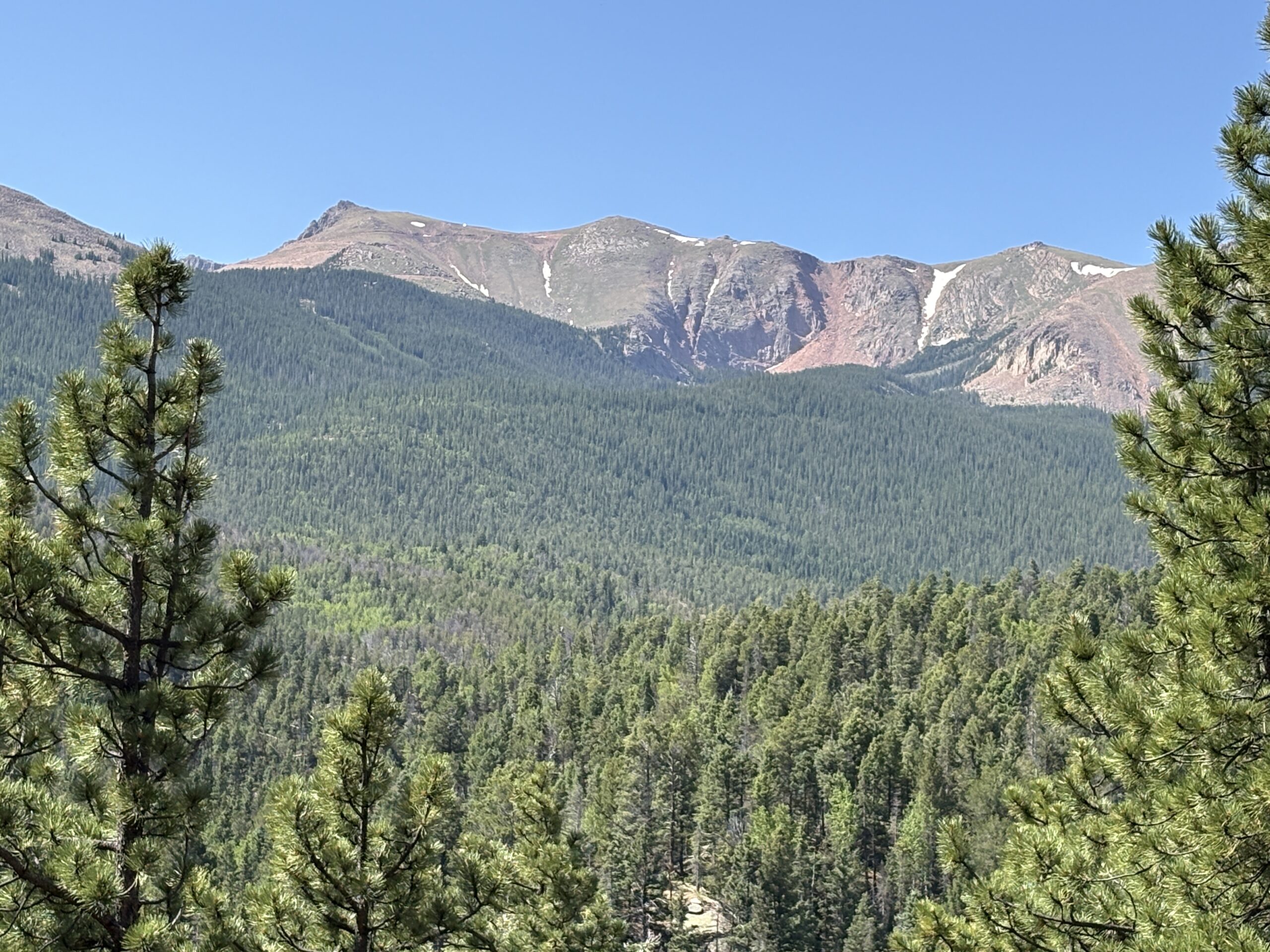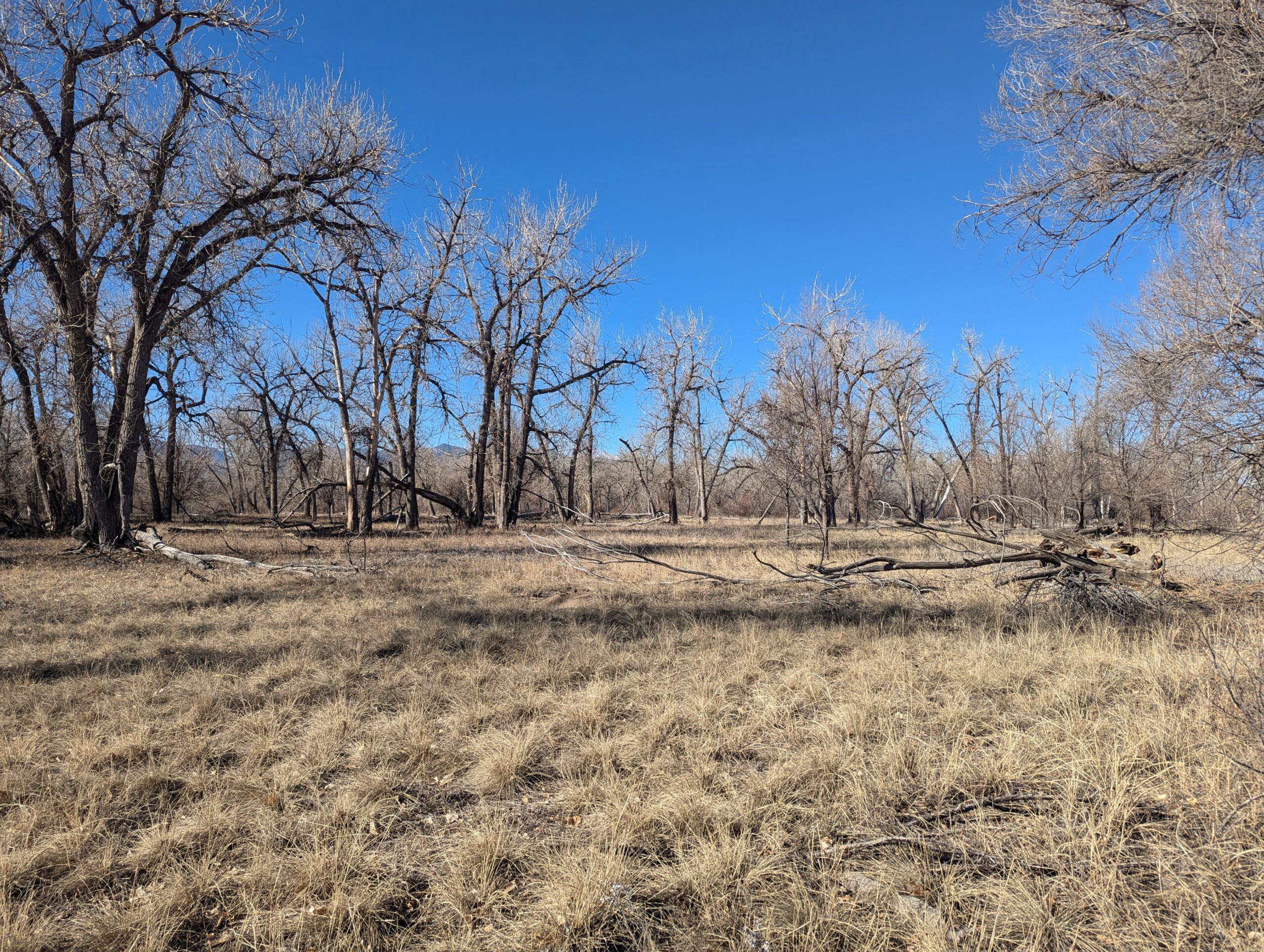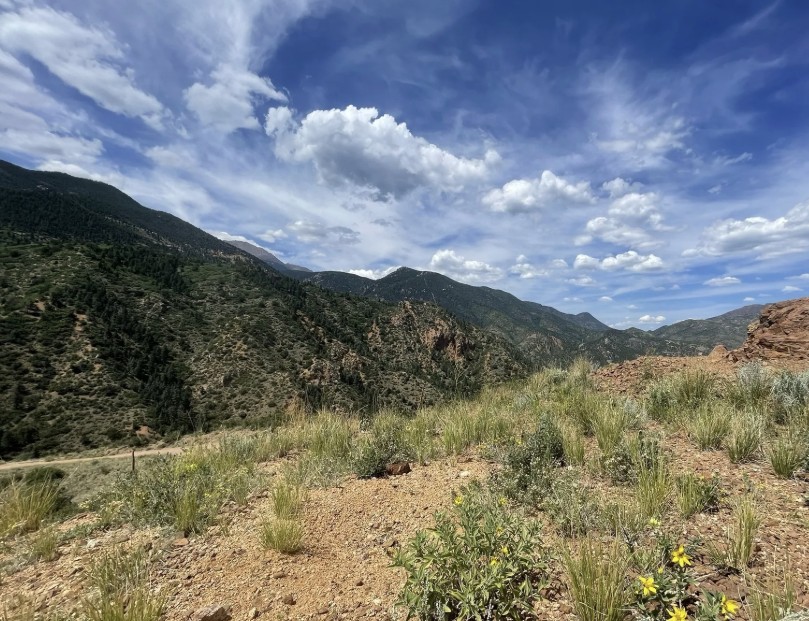
Adams Open Space, located in Fountain, Colorado, is a hidden gem for locals seeking a quiet place to connect with nature close to town. This riparian corridor and grassland preserve offers walking trails, wildlife viewing, and open vistas that highlight the beauty of the Fountain Valley. Jimmy Camp Creek flows through the open space providing peaceful sounds of running water.
Trails and Recreation
Visitors can enjoy soft-surface trails that wind through cottonwood groves and open meadows. The pathways are ideal for walking, jogging, or simply taking a relaxing stroll near the creek. In the fall, golden leaves line the creekside, while spring and summer bring a lush burst of greenery and birdsong.
Wildlife and Habitat
Adams Open Space is home to a variety of birds, small mammals, and pollinators that thrive in its mix of riparian and grassland habitats. The cottonwood canopy provides important shade and nesting areas, while the open fields attract hawks, meadowlarks, and butterflies. For wildlife enthusiasts, it’s an easy-access spot to enjoy Fountain’s natural diversity.
Conservation and Community
As one of Fountain’s dedicated open spaces, Adams helps protect critical riparian habitat while providing the community with a place to explore and recharge. It reflects the city’s commitment to balancing recreation with conservation, ensuring that residents have green spaces that enhance quality of life while safeguarding natural resources.
Plan Your Visit
Location: Along Fountain Creek, within the city of Fountain, CO. Parking: Limited on-street and trailhead parking is available. Hours: Open daily, sunrise to sunset. Tips: Trails are unpaved; bring sturdy shoes and water. Dogs are welcome but must be leashed to protect wildlife and other visitors.
South Slope Recreation Area on Pikes Peak
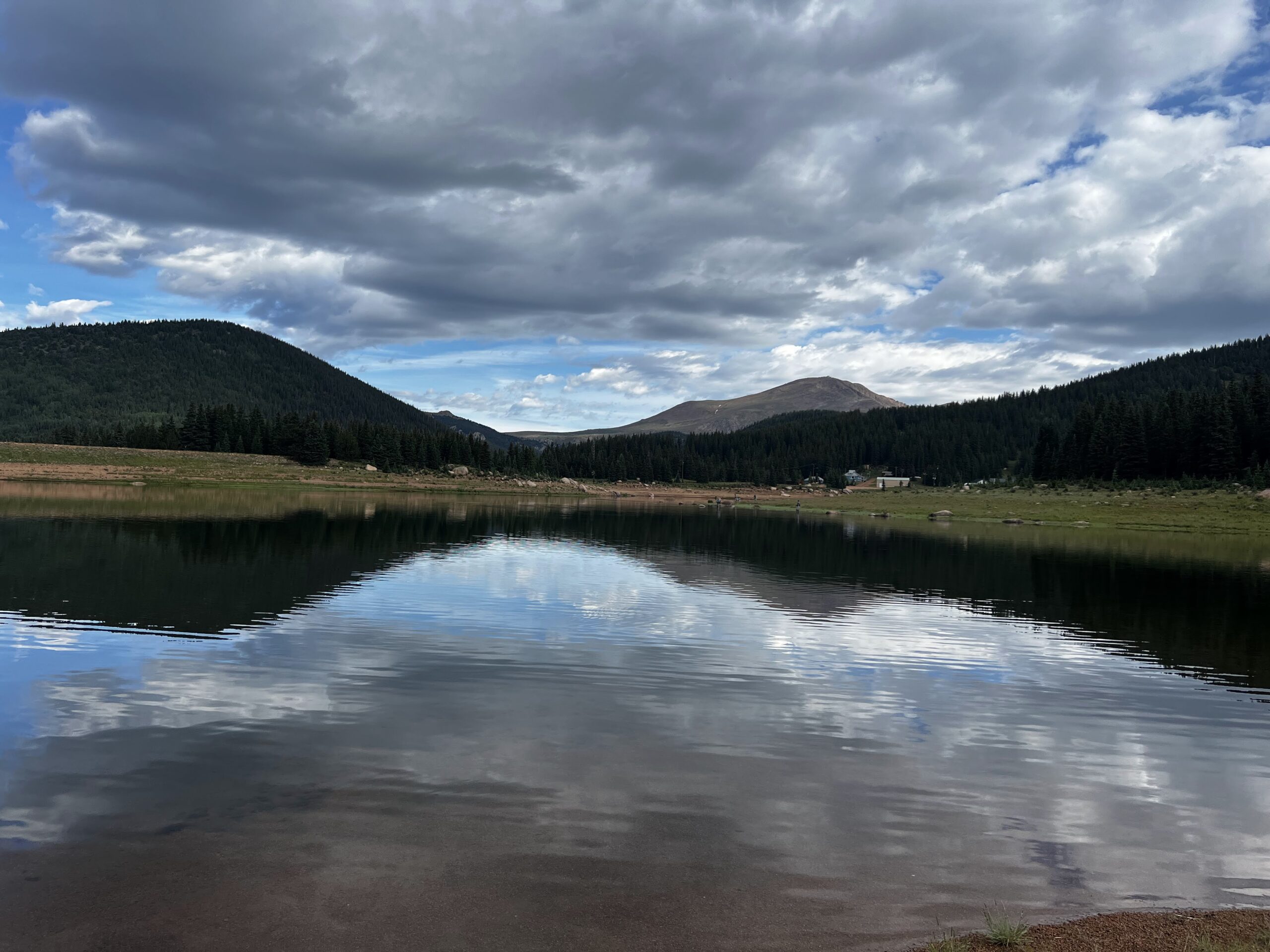
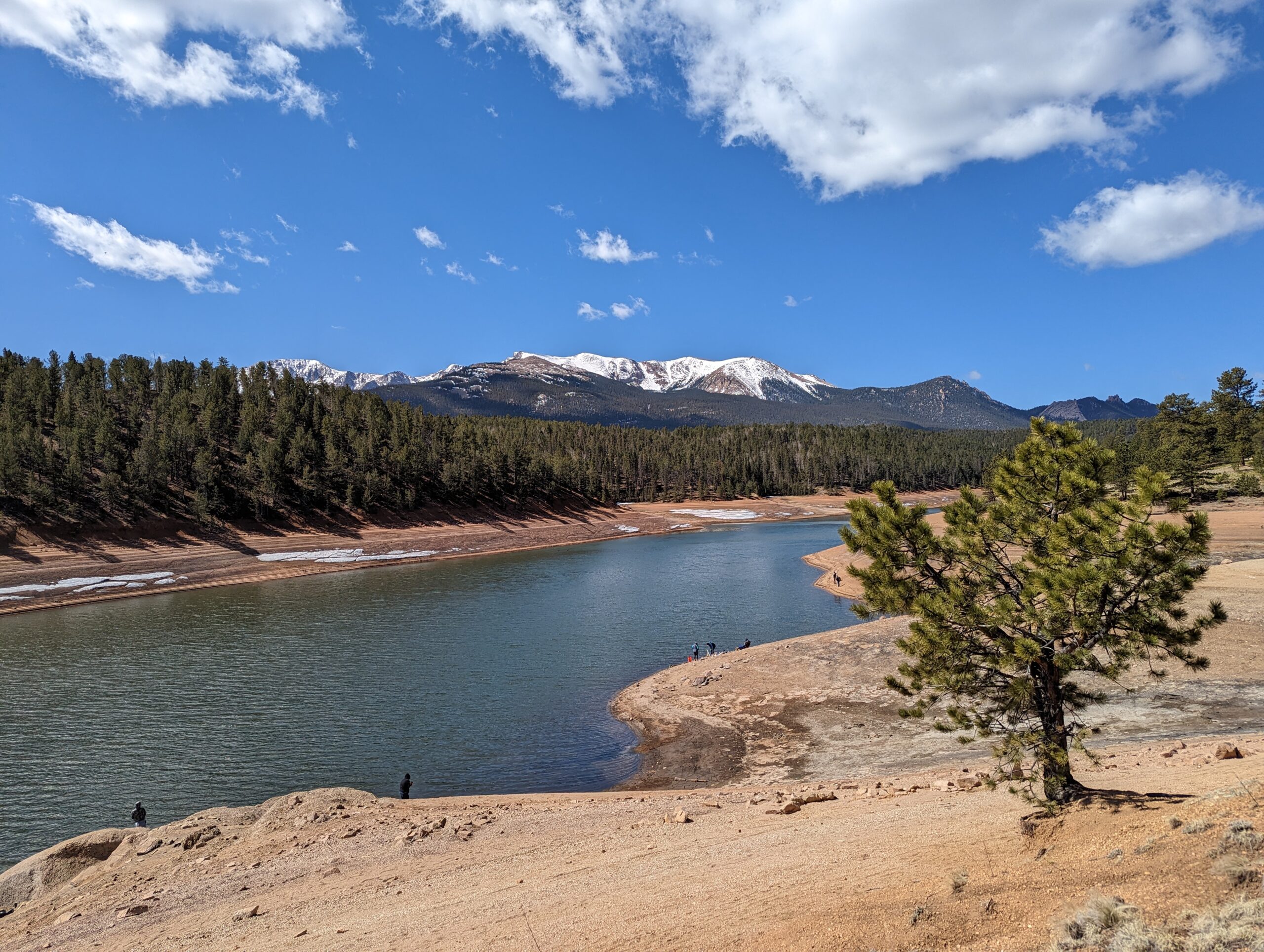
South Slope Recreation Area, located on the south side of Pikes Peak, is a high-alpine escape offering fishing, hiking, and solitude in one of Colorado’s most pristine mountain settings. Managed by Colorado Springs Utilities, this limited-access recreation area is known for its sparkling reservoirs, uncrowded trails, and unbeatable views of America’s Mountain.
Reservoirs and Recreation
The South Slope includes two reservoirs—Mason Reservoir and McReynolds Reservoir—that are open to non-motorized boating and fishing. Anglers can try their luck for cutthroat and rainbow trout, while kayakers, canoeists, and paddleboarders enjoy calm waters surrounded by pine forest and rugged ridgelines. Fishing is regulated to protect water quality, so visitors should review posted guidelines before heading out.
Trails and Wildlife
Several scenic trails showcase the area’s alpine beauty. The Mason Trail offers moderate hiking along the reservoir shoreline, while higher-elevation routes climb toward stunning overlooks and connect to backcountry terrain. Wildlife is abundant—visitors may spot marmots, elk, mule deer, raptors, and even black bear. At over 11,000 feet in elevation, the South Slope is also a cool retreat during Colorado’s hot summer months.
Limited Access and Conservation
Unlike the busier North Slope Recreation Area, the South Slope is managed with limited daily permits to preserve its fragile alpine environment and protect the City’s drinking water supply. Reservations are required and visitor numbers are capped each day, making this one of the quietest and most exclusive outdoor experiences on Pikes Peak.
Plan Your Visit
Location: Accessed via Old Stage Road and Gold Camp Road, southwest of Colorado Springs.
Parking: A gravel parking lot is available near the Mason Reservoir trailhead. Space is limited and included with a valid day permit.
Hours: Open seasonally. Public access hours are limited.
Fees: Entry requires a daily permit, available online through Colorado Springs Utilities. A valid fishing license is required for anglers.
Tips: Dress in layers—weather changes quickly at 11,000 feet. Cell service is limited, so plan ahead. Pets are not allowed to protect sensitive wildlife and water quality.
With its serene reservoirs, alpine trails, and limited-access wilderness feel, South Slope Recreation Area is one of the most unique outdoor adventures on Pikes Peak.
North Slope Recreation Area
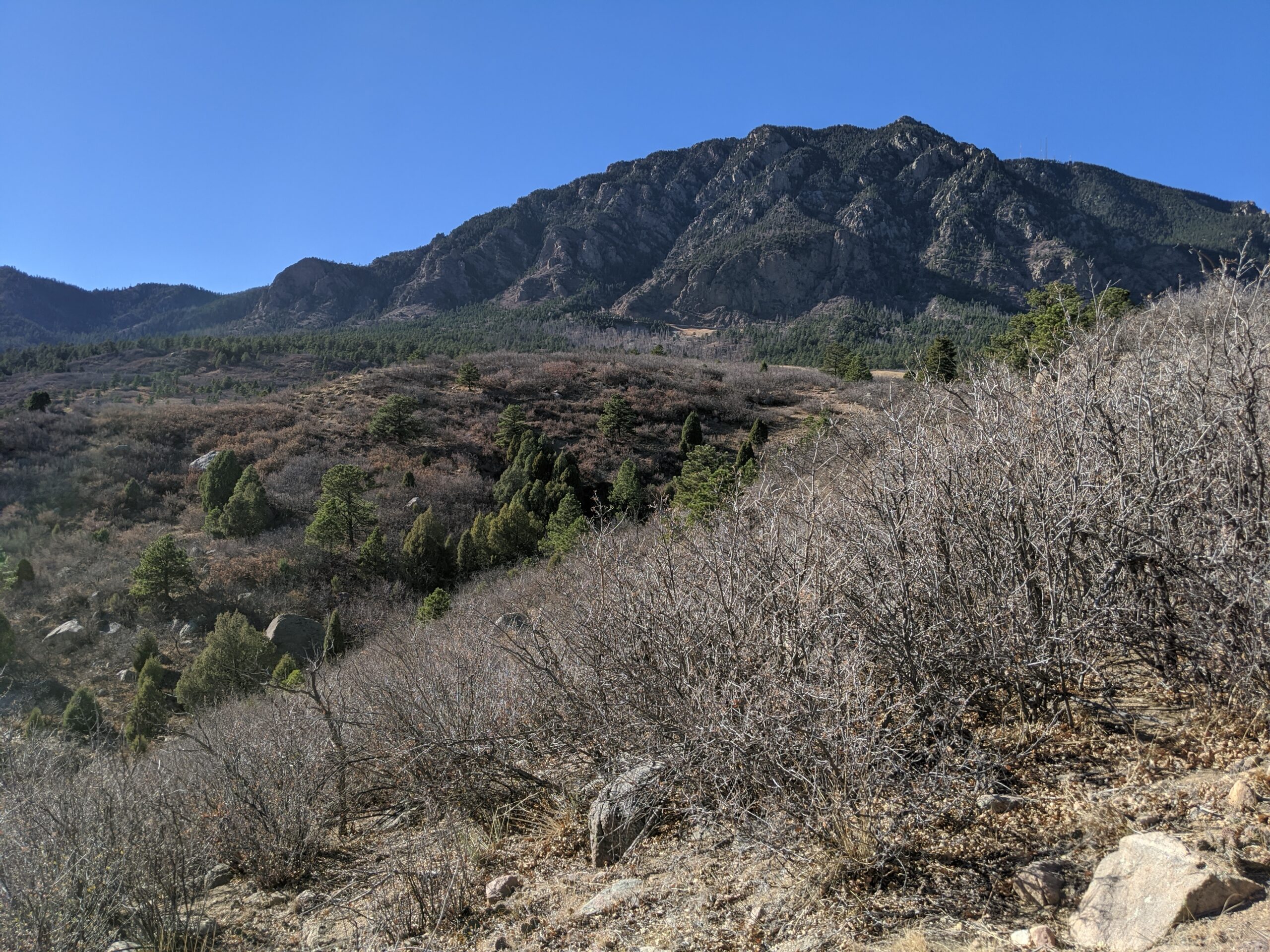
North Slope Recreation Area, located along the Pikes Peak Highway west of Colorado Springs, is a premier destination for fishing, boating, and hiking in the shadow of America’s Mountain. Managed by Colorado Springs Utilities, this high-elevation recreation area offers pristine reservoirs, scenic trails, and unbeatable views of the Pikes Peak region.
Reservoirs and Recreation
The North Slope includes three reservoirs—North Catamount, South Catamount, and Crystal—each open to fishing and non-motorized boating. Anglers can catch rainbow, cutthroat, and lake trout in cold, clear waters, while kayakers, canoeists, and paddleboarders enjoy peaceful days on the lakes. Picnic areas with tables and shelters are available near the reservoirs, making it an excellent spot for family outings.
Trails and Wildlife
More than 16 miles of multi-use trails circle the reservoirs and connect to the larger Ring the Peak Trail system. The Catamount Trail is a favorite, offering forested paths and shoreline views. Wildlife sightings are common, with elk, mule deer, black bear, and bald eagles all inhabiting the area. At over 9,000 feet in elevation, the North Slope provides a refreshing summer escape with cooler temperatures and crisp mountain air.
History and Management
The reservoirs were constructed in the late 1800s and early 1900s as part of Colorado Springs’ water system. Today, they are managed by Colorado Springs Utilities for both water supply and recreation, balancing conservation with public access. Partnerships with local nonprofits and volunteers help maintain trails and facilities.
Plan Your Visit
Location: Accessed via the Pikes Peak Highway, 7 miles past the toll gate near Cascade, CO.
Parking: Multiple paved and gravel parking areas are located at each reservoir and trailhead. Accessible parking is available.
Hours: Open seasonally, typically late May through mid-October (weather dependent).
Fees: Entrance is included with a Pikes Peak Highway toll fee; there is no additional recreation fee.
Tips: Due to high elevation, dress in layers and bring extra water. Boats must be non-motorized and inspected for invasive species. Pets are welcome but must be leashed.
With its alpine lakes, scenic trails, and world-class fishing, North Slope Recreation Area is one of the best ways to experience the natural beauty of Pikes Peak.
Cheyenne Mountain State Park
Cheyenne Mountain State Park, located at the base of Colorado Springs’ iconic Cheyenne Mountain, is one of the region’s premier outdoor recreation destinations. Spanning over 2,700 acres, this Colorado Parks & Wildlife gem offers diverse wildlife, miles of trails, and one of the best examples of preserved foothill ecosystems along the Front Range.
Trails and Recreation
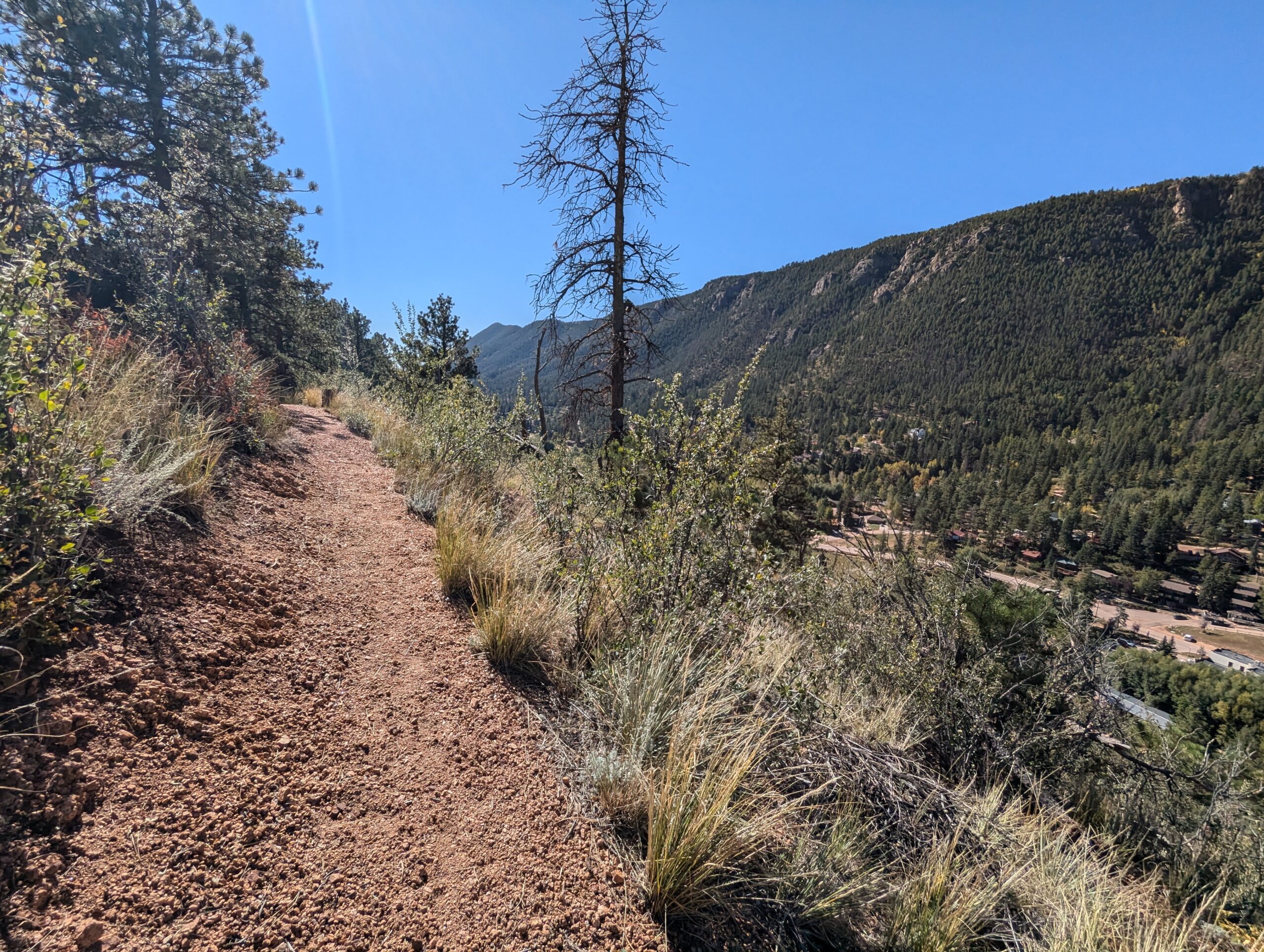
The park boasts more than 28 miles of trails, open to hikers, trail runners, and mountain bikers. Trails wind through prairie grasslands, scrub oak, and pine forest, offering varied terrain and stunning views of both the city and the mountains. The Dixon Trail, a challenging backcountry route, leads adventurers toward the top of Cheyenne Mountain for an unforgettable vista. The park also features an archery range, picnic areas, and a modern campground with RV hookups, cabins, and tent sites.
Wildlife and Scenery
Cheyenne Mountain State Park is known for its incredible biodiversity. Visitors may spot mule deer, elk, coyotes, black bears, and mountain lions, as well as an abundance of bird species like hawks and bluebirds. Its location at the transition zone between plains and mountains makes it a living classroom for ecology and a scenic retreat for nature lovers.
History
The park opened in 2006 as Colorado’s newest state park, preserving a landscape that had remained largely undeveloped. Named for the Ute word “Shayan,” Cheyenne Mountain has long been a landmark and cultural touchstone for Indigenous peoples, pioneers, and now, outdoor enthusiasts. The park continues to protect natural resources while providing carefully managed access to the public.
Plan Your Visit
Location: 410 JL Ranch Heights Road, Colorado Springs, CO 80926
Parking: Multiple paved lots are available near trailheads, the visitor center, and the campground. Accessible parking is provided.
Hours: Open daily, 5:00 a.m. – 10:00 p.m. The visitor center operates with seasonal hours.
Fees: A daily vehicle pass or Colorado State Parks pass is required.
Tips: Trails are multi-use, so watch for hikers and bikers. Pets are welcome but must remain leashed. Reservations are recommended for camping.
With its sweeping landscapes, abundant wildlife, and modern amenities, Cheyenne Mountain State Park is the perfect place to hike, camp, and reconnect with nature just minutes from downtown Colorado Springs.
Red Butte Recreation Area
Red Butte Recreation Area in Green Mountain Falls, Colorado, is a small but iconic destination for hikers and nature lovers in the Pikes Peak region. Rising above the town, the red sandstone outcrop of Red Butte offers striking views, unique geology, and a quick escape into nature just minutes from Colorado Springs. Located along the trail system is the “Skyspace” art installation.
Trails and Recreation
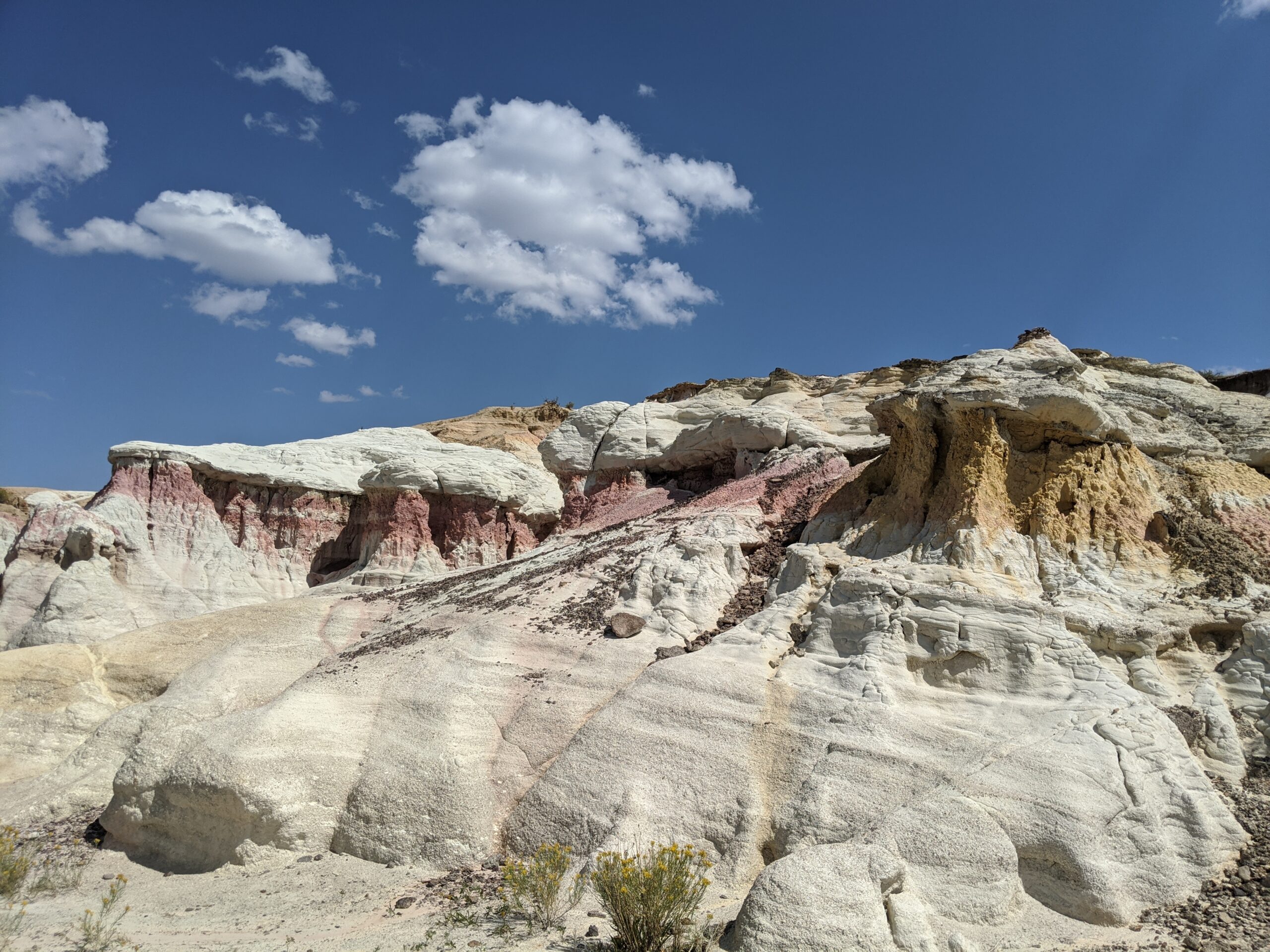
The area is best known for the Red Butte Trail, a short but steep hike that leads to the base of the red rock formation. Adventurous visitors can continue scrambling to the summit for panoramic views of Green Mountain Falls, Ute Pass, and the surrounding forests. The trail connects to the broader Green Mountain Falls trail system, which includes popular routes like Catamount Falls and Crystal Falls. Other trails include: Pittman Trail, Kelgwin Cut-Off, Lower Turrell, Upper Turrell.
Scenery and Wildlife
The vivid red sandstone of Red Butte contrasts beautifully with the surrounding evergreens and mountain backdrop, making it a favorite for photographers. The area also provides habitat for mule deer, fox, and an array of bird species, offering a taste of Colorado’s mountain ecosystems in a compact setting.
History
Red Butte, formerly known as Red Devil Mountain/Butte, has long been a local landmark. Early visitors to Ute Pass and Green Mountain Falls admired its unusual color and prominence, and today it remains a symbol of the town’s natural beauty. The surrounding trail network is maintained with the help of local volunteers and the Town of Green Mountain Falls.
Plan Your Visit
Location: Red Butte Recreation Area, Green Mountain Falls, CO (trailhead located near town center).
Parking: Parking is available at Ute Pass Ave. and Joyland Church. In addition, parking spaces on the southwest side of Ute Pass Ave. between Lake St. and Foster Ave. Also on Hotel St. between Ute Pass Ave. and El Paso Ave. and on the northeast side of El Paso Ave, just east of Hotel St.
Hours: Open daily, dawn to dusk. No entrance fees.
Tips: Trails are steep in places and can be slippery after rain or snow. Good shoes and water are recommended. Dogs are welcome but must be leashed.
With its dramatic geology, quick trail access, and sweeping views, Red Butte Recreation Area is a must-visit stop in Green Mountain Falls for hikers, photographers, and anyone exploring Ute Pass.
Paint Mines Interpretive Park
Paint Mines Interpretive Park, located near Calhan in El Paso County, Colorado, is one of the region’s most unique and colorful natural treasures. Covering 750 acres, the park is famous for its dramatic hoodoos, spires, and sculpted clay formations layered in shades of red, yellow, orange, and purple. Rich in both natural and cultural history, the Paint Mines offer a rare glimpse into the geology and heritage of Colorado’s eastern plains.
Trails and Recreation
The park features four miles of interpretive trails that wind through rolling prairie and into the vibrant badlands below. Trails are non-motorized and open to hikers, trail runners, and families seeking a one-of-a-kind outdoor experience. Interpretive signs along the way highlight the park’s geology, ecology, and human history. Because the formations are fragile, visitors are asked to stay on designated trails.
History and Archaeology
The Paint Mines have been a cultural landmark for thousands of years. Archaeological evidence shows that Native American peoples, including the Apache and Comanche, used the colorful clay for pottery and ceremonial paints as far back as 9,000 years ago. Remnants of quarrying and stone tools have been found throughout the park, underscoring its importance as both a natural and cultural resource.
Wildlife and Scenery
Beyond its geologic wonders, the park is home to pronghorn, coyotes, mule deer, and a variety of grassland birds. In spring and summer, wildflowers add bursts of color to the prairie, while sweeping views of Pikes Peak rise in the distance. The contrast of bright rock formations against the open sky makes this one of the most photogenic landscapes in El Paso County.
Plan Your Visit
Paint Mines Interpretive Park is located just south of Calhan, Colorado, about 35 miles northeast of Colorado Springs. Parking, restrooms, and trailhead access are available at the main entrance off Paint Mine Road. The park is open daily from dawn to dusk, with no entrance fee. Dogs and other pets are not permitted, in order to protect fragile resources and wildlife.
Florissant Fossil Beds National Monument in Teller County, Colorado, protects one of the richest fossil deposits in the world. Covering more than 6,000 acres, this National Park Service site offers visitors a rare opportunity to explore ancient history, dramatic geology, and the beauty of Colorado’s mountain landscape all in one place.
Trails and Recreation
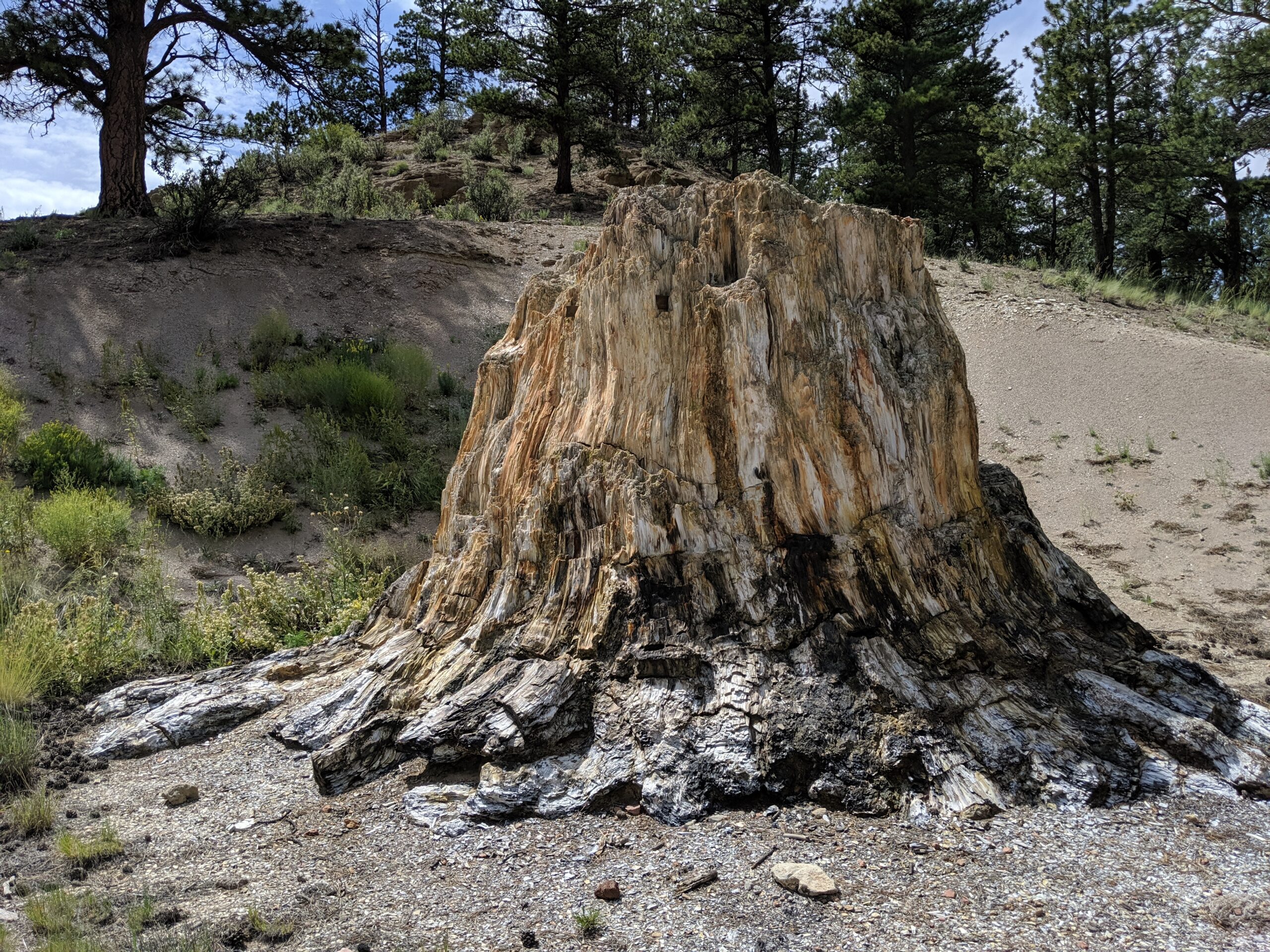
The Monument features 14 miles of hiking trails, ranging from short family-friendly loops to longer treks through forests, meadows, and past historic homesteads. Popular trails include the Petrified Forest Loop, which showcases massive fossilized redwood stumps, and the Hornbek Homestead Trail, offering a glimpse of 19th-century pioneer life. Ranger-led programs, fossil displays, and interactive exhibits at the visitor center make this a perfect stop for families, students, and curious explorers.
Fossils and Geology
The Florissant valley was once a subtropical ecosystem, home to towering redwoods, giant insects, and hundreds of plant species. Volcanic eruptions 34 million years ago buried the valley in ash, preserving thousands of fossils in fine-grained shale. Today, visitors can see petrified tree stumps up to 14 feet wide and view one of the most diverse insect fossil collections ever discovered.
Wildlife and Scenery
Beyond fossils, the Monument is a haven for wildlife. Elk, mule deer, black bear, and fox are frequently spotted, along with a wide variety of birds including mountain bluebirds and hummingbirds. Open meadows dotted with wildflowers and sweeping views of Pikes Peak provide a stunning backdrop year-round.
History
In addition to its prehistoric treasures, Florissant Fossil Beds preserves the Hornbek Homestead, a restored 1870s ranch house that tells the story of early Colorado pioneers. Archaeological evidence also shows that Native American groups, including the Ute, visited the valley for thousands of years.
Plan Your Visit
The Monument is located just west of the town of Florissant, Colorado, about 35 miles from Colorado Springs. The visitor center is open year-round (with seasonal hours), offering exhibits, a bookstore, and trail access. A small entrance fee is required; federal passes are accepted.
With its unique combination of world-class fossils, scenic hiking, and rich human history, Florissant Fossil Beds National Monument is one of Colorado’s most fascinating places to explore.
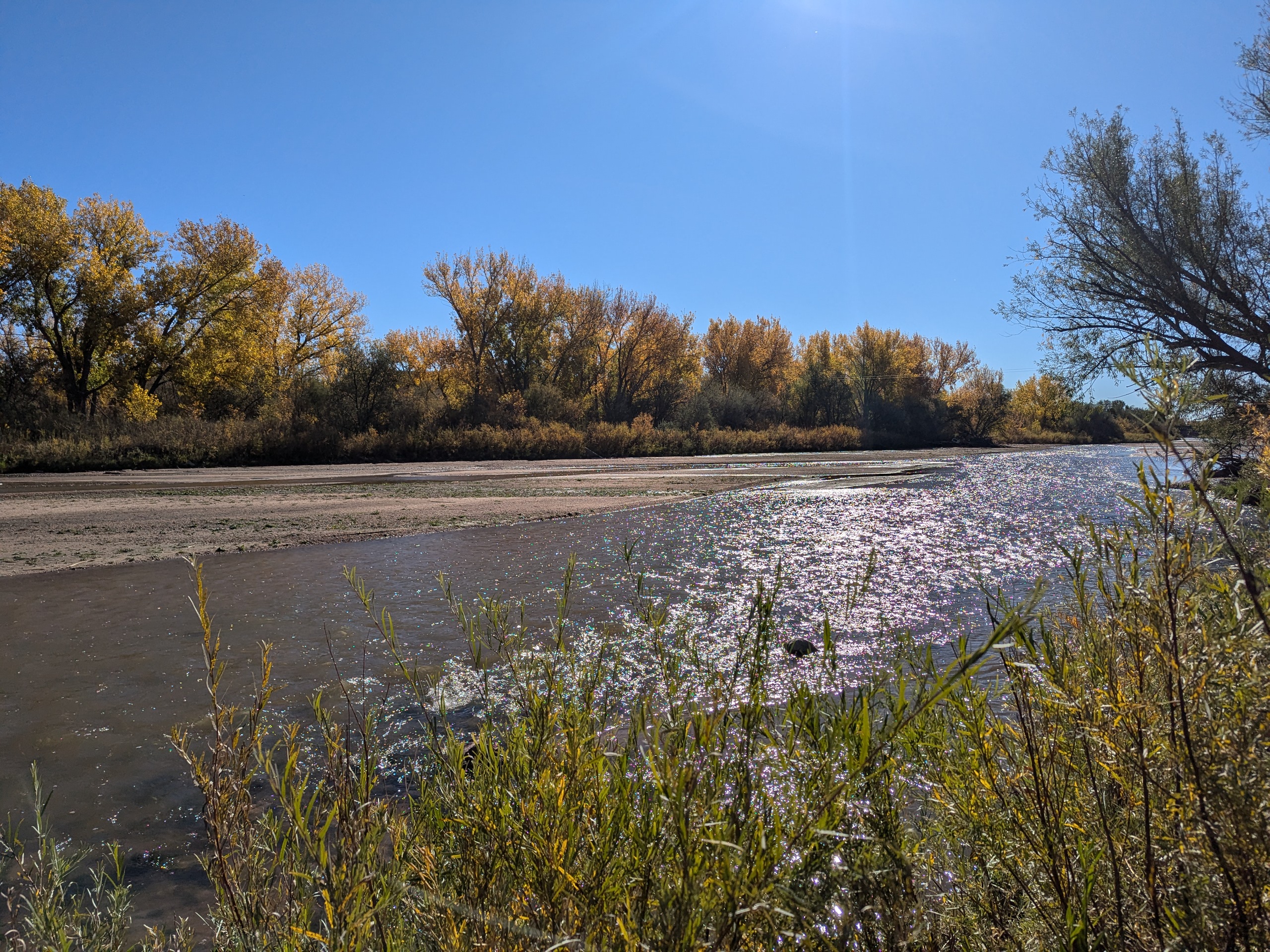
Clear Spring Ranch is a 930-acre open space in southern El Paso County, Colorado, just south of Fountain. Once part of a working ranch, the land is now protected and managed to safeguard Fountain Creek and provide outdoor recreation for the public. Visitors can explore open prairie, shaded cottonwood groves, and riparian habitat that make this site one of the best places for birdwatching in Colorado Springs, with regular sightings of hawks, herons, and migratory waterfowl.

The park features picnic areas, restrooms, and direct access to the Fountain Creek Regional Trail, a major connector in the regional trail system. Several multi-use trails within Clear Spring Ranch are open to hikers, cyclists, and equestrians, offering opportunities for both short outings and longer connections.
What makes Clear Spring Ranch unique is its quiet, wide-open landscape. Unlike busier foothill parks, this El Paso County open space offers a peaceful escape where visitors are more likely to encounter wildlife than crowds. Whether you are seeking a new hiking or biking route, a family-friendly picnic spot, or a chance to enjoy Colorado’s grassland and creek ecosystems, Clear Spring Ranch provides a hidden gem experience.
North Cheyenne Cañon Park (City of Colorado Springs)
Nestled at the base of Pikes Peak on the southwest edge of Colorado Springs, North Cheyenne Cañon Park is a 1,600-acre natural area known for its steep canyon walls, cascading streams, and dense forests of pine and fir. Established in 1885, it is one of the region’s oldest and most beloved parks, offering a dramatic gateway into the mountains while protecting critical wildlife habitat and watershed resources.
Recreation and Trails
North Cheyenne Cañon Park features over 20 miles of trails for hikers, runners, and mountain bikers, with access to longer backcountry routes extending into surrounding forest lands. Popular destinations include Helen Hunt Falls, one of the most accessible waterfalls in the region, and the Seven Bridges Trail, a scenic route that follows a creek through a shaded canyon.
The park is also home to two key visitor hubs: the Starsmore Visitor and Nature Center, which offers exhibits, educational programs, and trail information, and the Helen Hunt Falls Visitor Center, where visitors can learn about the canyon’s geology, ecology, and history while enjoying views of the falls. The park also connects to Gold Camp Road, a historic corridor offering both recreational access and expansive views.
Wildlife and Scenery
The canyon’s varied terrain supports a wide range of wildlife, including mule deer, black bears, foxes, and numerous bird species. Streams flowing through the canyon create lush riparian zones, while higher elevations transition into dense conifer forests. Seasonal changes bring vibrant wildflowers in spring, cool shaded hikes in summer, golden aspen in fall, and quiet snow-covered landscapes in winter.
History
For generations, Indigenous peoples traveled through this canyon before it became a destination for early settlers and visitors seeking mountain scenery. North Cheyenne Cañon was officially established as a city park in 1885 through land donations by General William Jackson Palmer and others. Over time, the park became a cornerstone of Colorado Springs’ park system, preserving both natural beauty and access to the mountains for the community.
Plan Your Visit
Location: 2120 S. Cheyenne Canyon Rd, Colorado Springs, CO 80906 Parking: Multiple parking areas throughout the canyon, including at trailheads, the Starsmore Visitor and Nature Center, and Helen Hunt Falls Hours: Open daily, typically 5:00 AM to 9:00 PM (seasonal variations may apply) Fees: No entry fee
Tips:
Stop at the Starsmore Visitor and Nature Center for maps, exhibits, and current trail conditions
Visit early, especially on weekends, as parking fills quickly
Stay on designated trails to protect sensitive habitat
Bring layers—temperatures can vary significantly in the canyon
With its towering canyon walls, flowing waterfalls, and educational visitor centers, North Cheyenne Cañon Park offers a classic Colorado experience just minutes from downtown.
Palmer Park
Palmer Park is one of Colorado Springs’ largest and most beloved urban parks, spanning more than 730 acres in the heart of the city. With rugged bluffs, panoramic overlooks, and miles of trails, the park feels like a wild escape just minutes from downtown.
Trails and Recreation
The park features over 25 miles of multi-use trails for hiking, running, mountain biking, and horseback riding. Popular routes like Yucca, Templeton, and Mesa Trails take visitors through sandstone formations, meadows, and forested ridges. The park also offers a dog park, playgrounds, and athletic fields, making it a favorite destination for families and outdoor adventurers alike.
Amenities and Features
Palmer Park is home to baseball and soccer fields, picnic shelters, restrooms, and wide-open spaces perfect for gatherings. The dog park is among the largest in the city, while Good Neighbors Meeting House (just outside the park) and nearby neighborhoods make it highly accessible. Overlooks such as Grandview Point provide sweeping views of Pikes Peak and the Front Range.
Wildlife & Scenery
From rugged sandstone spires to sweeping grasslands, Palmer Park offers an impressive variety of scenery. Visitors often spot mule deer, coyotes, rabbits, hawks, and songbirds while exploring the trails. Seasonal wildflowers add bursts of color in spring and summer, while the sandstone formations glow at sunrise and sunset.
History
Palmer Park was gifted to the city in 1902 by General William Jackson Palmer, the founder of Colorado Springs, as part of his vision to preserve natural lands for public enjoyment. For over a century, the park has served as both a community gathering space and a wilderness refuge within the city. Its size, history, and rugged beauty make it one of the crown jewels of Colorado Springs’ park system.
Plan Your Visit
Location: 3650 Maizeland Rd, Colorado Springs, CO 80909 Hours: 5:00 a.m. – 9:00 p.m. daily Parking: Multiple lots located at trailheads, Grandview Overlook, and sports fields.