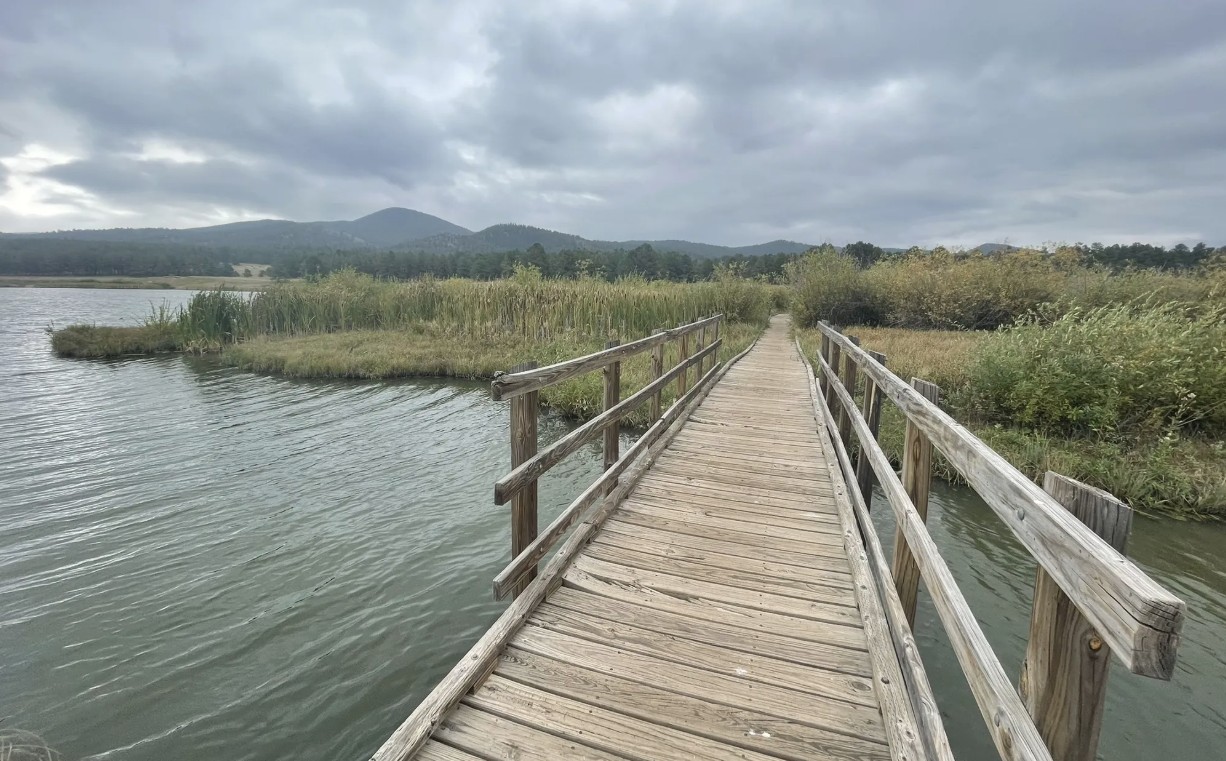
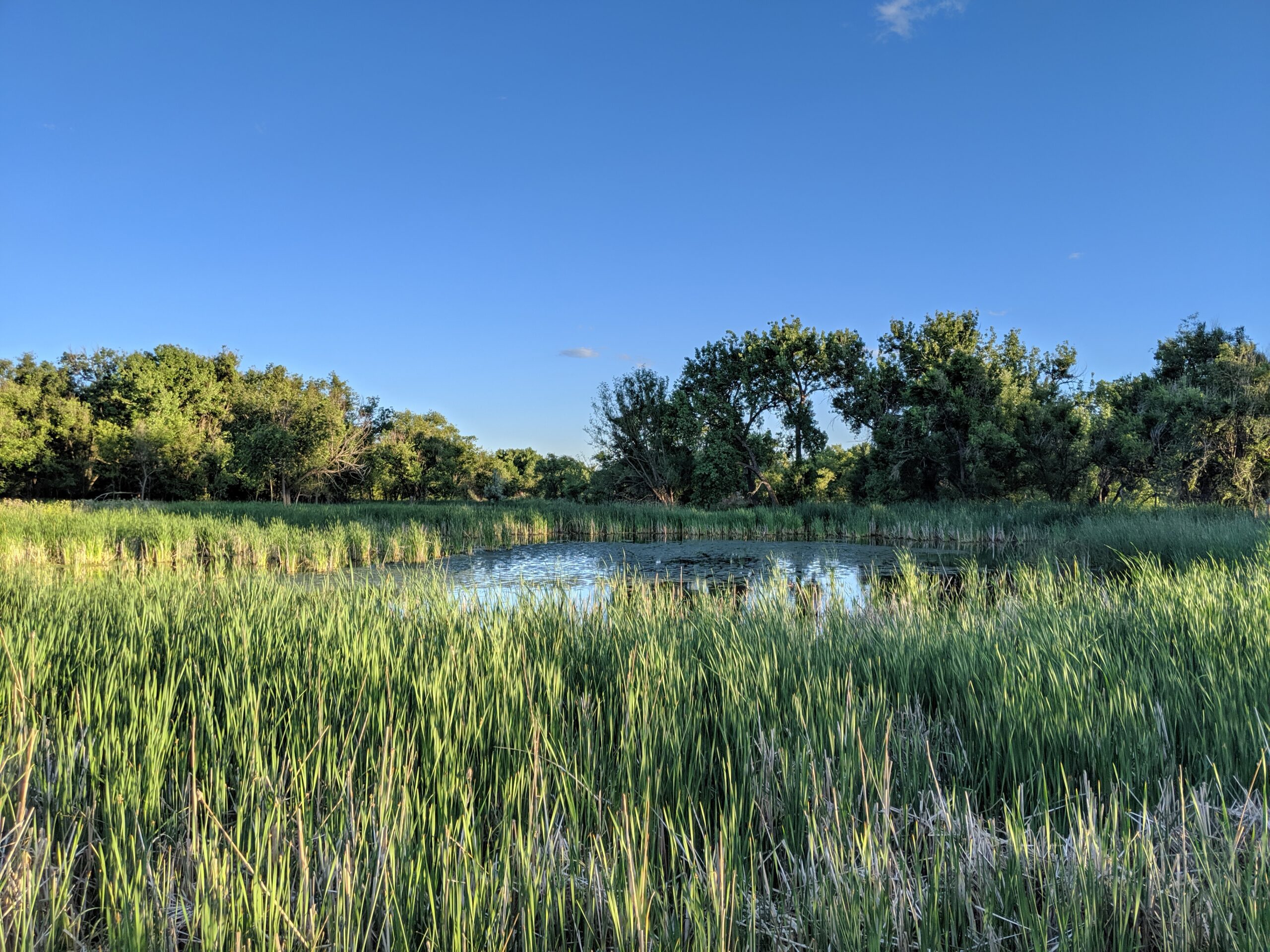
Manitou Lake is a 5-acre reservoir north of Woodland Park that offers a family-friendly setting for fishing, hiking, and picnicking against the backdrop of Pikes Peak. Surrounded by meadows, forest, and mountain views, this peaceful destination is popular year-round for outdoor recreation and is a gateway to nearby trails and campgrounds.
Recreation
The highlight of Manitou Lake is fishing, with opportunities throughout the year thanks to easy access and regular use by anglers. A scenic 2.5-mile loop, Trail #670, circles the lake and is perfect for a leisurely walk or nature stroll. Swimming, wading, and body contact with the water are prohibited, but the reservoir remains a hub for fishing, wildlife viewing, and family picnics.
Trails and Camping
In addition to Trail #670, visitors can connect to Bike Trail #699, a paved 4.2-mile route that links campgrounds and picnic areas. The area also includes two group campgrounds—Pike Community and Red Rocks—that make it easy for families and organizations to enjoy overnight stays in the forest.
Wildlife and Scenery
The lake’s surrounding wetlands attract a wide variety of birdlife, including ducks, herons, and songbirds. Expansive meadows and towering pines frame the reservoir, making it an ideal place to enjoy mountain views or photograph seasonal wildflowers.
History
Manitou Lake was developed as a recreational reservoir and has long been valued as a gathering place for anglers, campers, and picnickers in the Pikes Peak region. Its ongoing popularity reflects its balance of natural beauty and easy access.
Plan Your Visit
Location: 11 miles north of Woodland Park along Highway 67
Parking: Day-use parking available with fee
Hours: Open daily, sunrise to sunset
Fees: $11 per vehicle day use fee. Annual passes are available for Manitou Lake Picnic Area, Rampart Reservoir Recreation Area, and Eleven Mile Canyon.
Tips: All sites have tables, fire grates, and trash collection. Bring layers for changing mountain weather and a fishing license if you plan to fish.
With its mix of trails, campsites, picnic areas, and scenic waters, Manitou Lake is an inviting spot for families, groups, and anyone looking to experience the beauty of the Pikes Peak region.
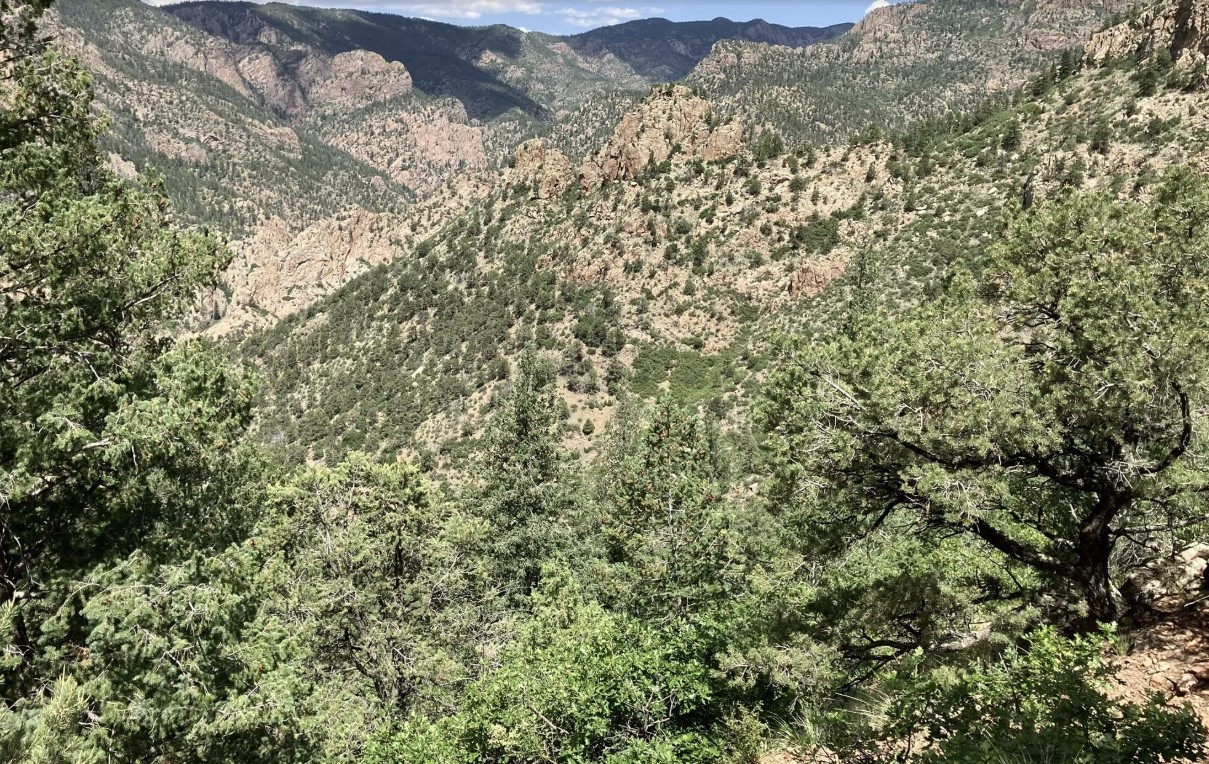
The Beaver Creek Wilderness Study Area (WSA) is a rugged and remote backcountry gem managed by the Bureau of Land Management. Spanning more than 27,000 acres, this wild landscape protects a dramatic mix of canyons, ridges, and rolling foothills where solitude, scenery, and backcountry adventure come together. The Beaver Creek WSA is located in Fremont, Teller, and El Paso counties, approximately 10 miles northeast of Cañon City and 12 miles southwest of Colorado Springs. The primary trailhead is located at the end of Fremont County Road 132.
Recreation and Trails
Beaver Creek WSA is a favorite destination for hikers, equestrians, and anglers seeking quiet trails far from crowds. The Beaver Creek Trail follows the namesake waterway through red-rock canyons and shady cottonwood groves, eventually climbing to sweeping views of the Wet Mountains and Pikes Peak. Several primitive routes connect to the trail, creating opportunities for longer backpacking trips. Anglers are drawn to Beaver Creek itself, a state-designated Wild Trout Stream, known for its naturally reproducing populations of brown and rainbow trout.
Wildlife and Scenery
The varied terrain provides habitat for an impressive array of wildlife. Visitors may encounter bighorn sheep scaling cliffs, elk and mule deer grazing the meadows, or golden eagles riding canyon thermals. In spring, wildflowers brighten the slopes, while autumn paints the cottonwoods in vibrant yellows along the creek. The combination of rocky canyons, forested ridges, and wide-open skies makes the area a haven for photographers and nature lovers.
History
Beaver Creek has long been valued for its rugged beauty and ecological significance. Designated a Wilderness Study Area in 1980, it has been managed to preserve its wild character while Congress determines whether it will receive permanent wilderness status. The area also has ties to early homesteading and ranching, with remnants of old cabins and corrals still visible in some drainages.
Plan Your Visit
Location: Approximately 12 miles north of Cañon City, accessible via County Road 132 from Highway 115. Parking: Trailhead parking is available at the end of County Road 132; access roads can be rough, especially in wet weather. Hours: Open year-round, but access may be limited by snow or muddy road conditions. Fees: None. Tips:
This is a remote, rugged area—pack extra food, water, and navigation tools.
Trails are primitive and can be overgrown; be prepared for route finding.
Respect the wild character: leave no trace and pack out all trash.
With its wild canyons, clear streams, and unmatched solitude, the Beaver Creek Wilderness Study Area offers one of the most authentic backcountry experiences along Colorado’s Front Range.
Bear Creek Regional Park is a sprawling 545 acre park nestled in the foothills of Colorado Springs, operated by El Paso County. It offers a rich mix of active recreation and natural spaces, making it a unique destination for both community gatherings and nature escapes.
Trails and Recreation
Ten miles of multi purpose, non motorized trails traverse the park, linking its various sectors. Visitors can jog, bike, hike, or ride horseback on these trails, many of which wind through prairie, riparian zones, and gentle hills. The park also includes picnic pavilions, playing fields, tennis courts, basketball courts, an archery range, volleyball areas, horseshoe pits, and playgrounds across its different areas.
Bear Creek Dog Park
Within the park lies a 25 acre fenced off leash dog area, one of El Paso County’s most visited facilities, drawing over 100,000 visitors each year. The dog park includes open prairie, wooded hills, a third mile stretch of Bear Creek, walking trails with a primary three quarter mile loop, and secondary paths. A separate two acre section is reserved for small and senior dogs. Amenities include creek access, water fountains, a dog wash area, restrooms, bag dispensers, shade, and benches.
Bear Creek Nature Center
The Bear Creek Nature Center (245 Bear Creek Road) serves as the educational hub of the park. It offers interpretive programs, guided and self guided tours, interactive nature exhibits, and seasonal events for families and school groups. Trails around the center highlight the area’s natural beauty and habitat but may have restrictions to protect sensitive wildlife.
Charmaine Nymann Community Garden
The Charmaine Nymann Community Garden is a two acre organic garden maintained by the Bear Creek Garden Association. It features 104 full size plots, underground water delivery, and secure fencing. Gardeners pay annual fees that cover soil tilling, water, and maintenance, and many donate surplus produce to local nonprofits.
Wildlife and Scenery
Bear Creek blends riparian corridors, prairie, and foothill terrain. Expect to see cottonwoods, scrub oak, ponderosa pines, and open meadows. Wildlife includes mule deer, coyotes, songbirds, raptors, and aquatic species near the creek. Seasonal bird migrations, wildflowers, and creekside reflections make the park especially scenic.
History
The land that now forms Bear Creek Regional Park has transitioned from historic poor farm and garden operations to one of the most loved open spaces in the region. Today the park is divided into East, Terrace, Dog Park, and Nature Center areas, balancing both active recreation and conservation.
Plan Your Visit
Location: Access via 21st Street and West Rio Grande for Bear Creek East, 21st Street and Argus for Bear Creek Terrace, and Bear Creek Road for the Nature Center. Hours: 5:00 a.m. to 9:00 p.m. daily Parking: Multiple parking lots serve the East, Terrace, Dog Park, and Nature Center areas. Tips:
Pets must be on leash in all areas except the dog park
Follow signage around the Nature Center as some trails have pet and bike restrictions
Check the Nature Center schedule for programs and events
Community garden plots are available seasonally through the Bear Creek Garden Association
Smith Creek Natural Area
Smith Creek Natural Area is a hidden gem in northern Colorado Springs, offering a peaceful mix of short trails, restored grasslands, and riparian habitat along the creek. Managed as open space, this natural area gives residents and visitors a chance to enjoy a quieter outdoor experience just minutes from growing neighborhoods and commercial corridors.
Trails and Recreation
The natural area features a soft-surface trail system that winds through meadows and along Smith Creek. These trails are well-suited for walking, running, and birdwatching, with gentle terrain that makes them accessible for families and casual hikers. The trails connect to nearby residential paths, making Smith Creek a convenient green escape close to home.
Wildlife & Scenery
Smith Creek is part of a vital riparian corridor that supports diverse wildlife. Birdwatchers may spot hawks, owls, and songbirds, while deer and foxes are occasional visitors to the meadows. The landscape is especially beautiful in spring and early summer when wildflowers bloom and the creek flows strongest. Native grasses and cottonwood trees provide year-round scenery and habitat for pollinators and small mammals.
History
The land around Smith Creek was once used for ranching and agriculture before being set aside as a protected natural area. Today, it is managed with an emphasis on preserving riparian health, supporting wildlife habitat, and giving local residents an accessible space to connect with nature.
Plan Your Visit
Location: Off Voyager Parkway near Interquest Parkway, northern Colorado Springs Hours: Open daily, dawn to dusk Parking: Limited parking is available at nearby trailheads and residential streets—visitors are encouraged to walk or bike in from surrounding neighborhoods. Know Before You Go: Dogs are welcome but must be leashed to protect wildlife. Trails may be muddy after rain or snowmelt, so plan footwear accordingly.
Cattail Marsh Wildlife Area
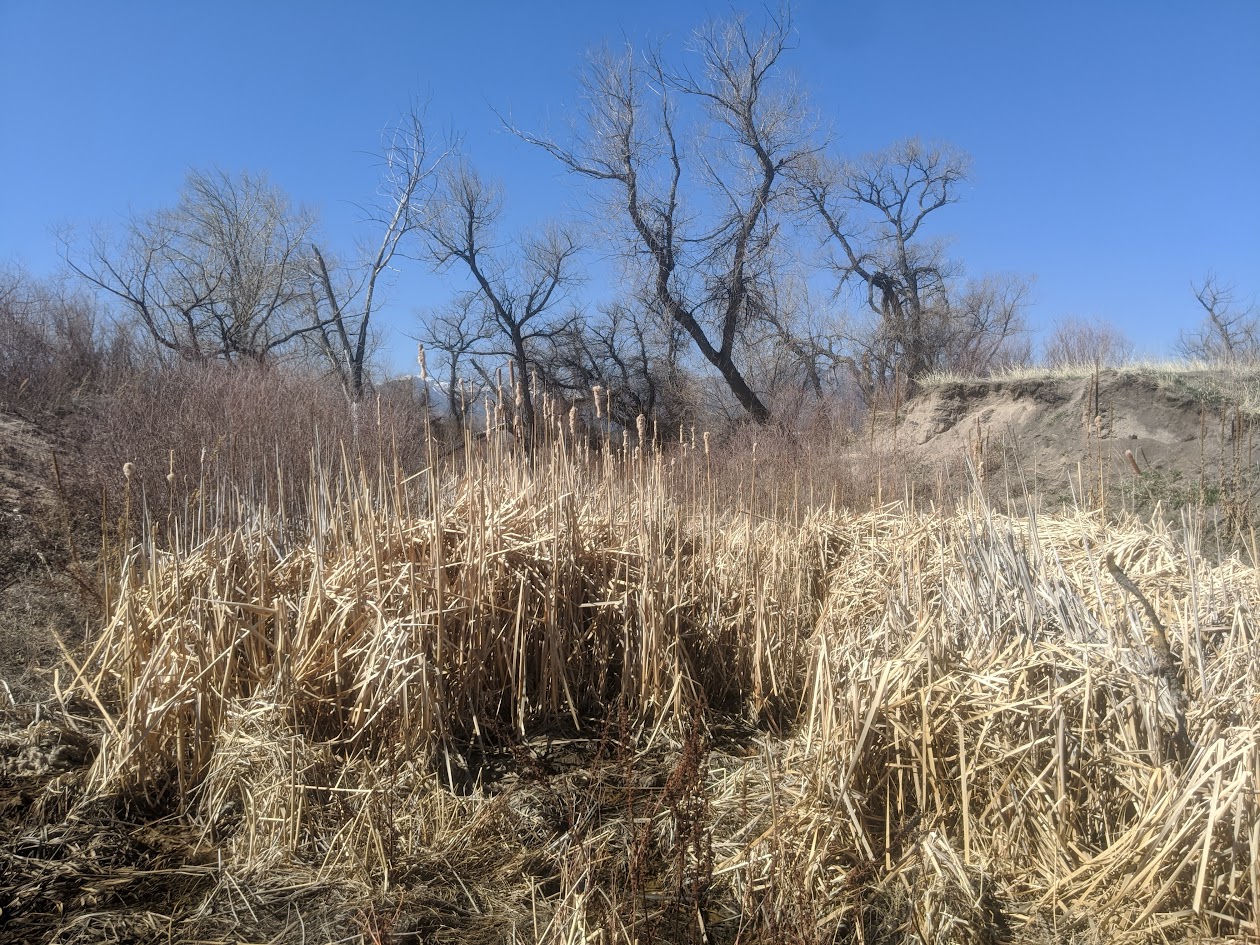
Cattail Marsh Wildlife Area in Fountain, CO is a quiet oasis tucked along the banks of Fountain Creek, offering one of the region’s best spots for birdwatching and nature observation. This wetland habitat, shaped by cattails, marsh grasses, and open water, provides an essential refuge for migratory birds and local wildlife while giving visitors a peaceful place to connect with nature.
Trails and Recreation
Visitors can enjoy a short network of natural-surface paths that weave through cattail stands and around marshy ponds. These trails are flat and easy, making them perfect for a leisurely walk, wildlife photography, or a quiet moment in nature. The area also links with the broader Fountain Creek Regional Trail system, offering opportunities for longer walks or bike rides.
Wildlife & Scenery
As its name suggests, the marsh is alive with wildlife. More than 200 bird species have been spotted here, including red-winged blackbirds, herons, egrets, ducks, and seasonal sandhill cranes. Turtles, frogs, and beavers also make their home in the wetlands, while deer and foxes are often seen at the edges. The cattail stands create striking reflections in the ponds, especially at sunrise and sunset.
Fountain Creek Nature Center
Located within Fountain Creek Regional Park next to the marsh, the Fountain Creek Nature Center serves as the gateway to the area. The center features interactive exhibits on wetlands ecology, wildlife displays, and panoramic windows overlooking the marsh. It also hosts year-round educational programs, guided hikes, and children’s activities that connect people of all ages to the importance of wetlands and riparian ecosystems.
History
Cattail Marsh was conserved as part of the broader effort to protect Fountain Creek’s riparian corridor and preserve valuable wetlands in southern El Paso County. These wetlands are not only scenic but also play a critical ecological role, filtering water and supporting biodiversity in an otherwise urbanizing landscape.
Plan Your Visit
Location: 320 Peppergrass Ln, Fountain, CO 80817 (adjacent to Fountain Creek Regional Park) Hours: Open daily from dawn to dusk Parking: Available at the Fountain Creek Nature Center and nearby trailheads Know Before You Go: Dogs must remain leashed to protect wildlife. Trails can be muddy in spring and after heavy rain—wear appropriate footwear and bring binoculars for the best birding experience.
Cross Creek Regional Park, located in northeast Colorado Springs, blends natural open space with family-friendly amenities—making it a welcoming destination for recreation, relaxation, and community connection. The park’s mix of native prairie, pond, creekside habitats, and developed facilities gives visitors both tranquility and activity options.
Trails and Recreation
The park features several miles of soft-surface trails that wind along Cross Creek and through grasslands, ideal for walking, jogging, and enjoying nature. Paved paths accommodate easy, accessible strolls. These trails serve as a natural escape within city boundaries.
Amenities and Features
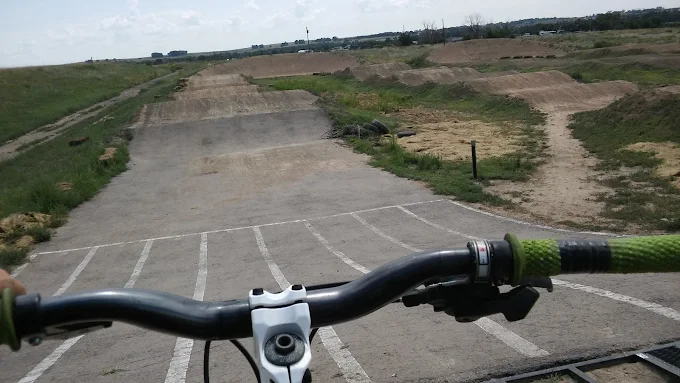
Cross Creek includes picnic shelters, playgrounds, Cross Creek BMX track, restrooms, Hale Reservoir and open playfields. The large picnic areas make it ideal for family gatherings or community events. The mix of open lawns and shaded tree groves ensures spaces for both active play and quiet breaks.
Wildlife & Scenery
From creekside riparian zones to open grasslands, the park supports wildlife such as songbirds, rabbits, and small mammals. The landscape offers broad views of the Front Range and Pikes Peak. Seasonal wildflowers add vibrant color in late spring and summer, making the park a great spot for casual nature viewing.
History
Cross Creek Regional Park was established to meet growing recreational needs in the Fountain Valley while preserving natural prairie corridors. Its development balances active recreation with habitat protection, ensuring that even as neighborhoods grow, green space remains part of the city’s fabric.
Plan Your Visit
Location: 8115 Parkglen Dr, Fountain, CO 80817 Hours: Open daily from dawn to dusk Parking: On-site parking lots accessible near picnic areas, trails, and facilities
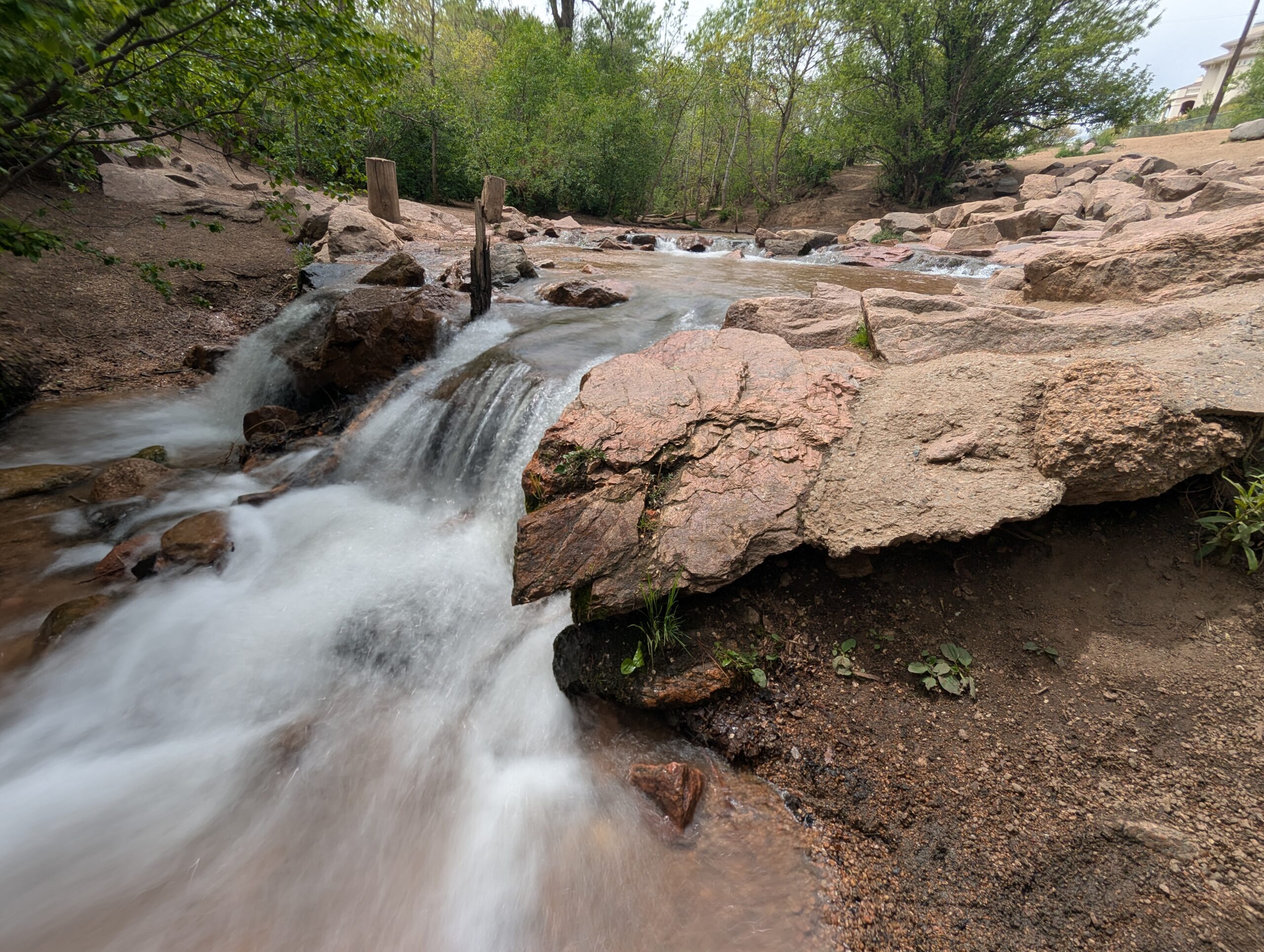
North Cheyenne Cañon Park is one of Colorado Springs’ most beloved outdoor destinations. Spanning more than 1,600 acres, the park is home to black bears, mountain lions, mule deer, and an abundance of bird species including the kingfisher, American dipper, and broad-tailed hummingbird. North Cheyenne Creek runs through the canyon, creating a lush corridor that draws hikers, bikers, runners, and nature enthusiasts throughout the year.
Park Amenities
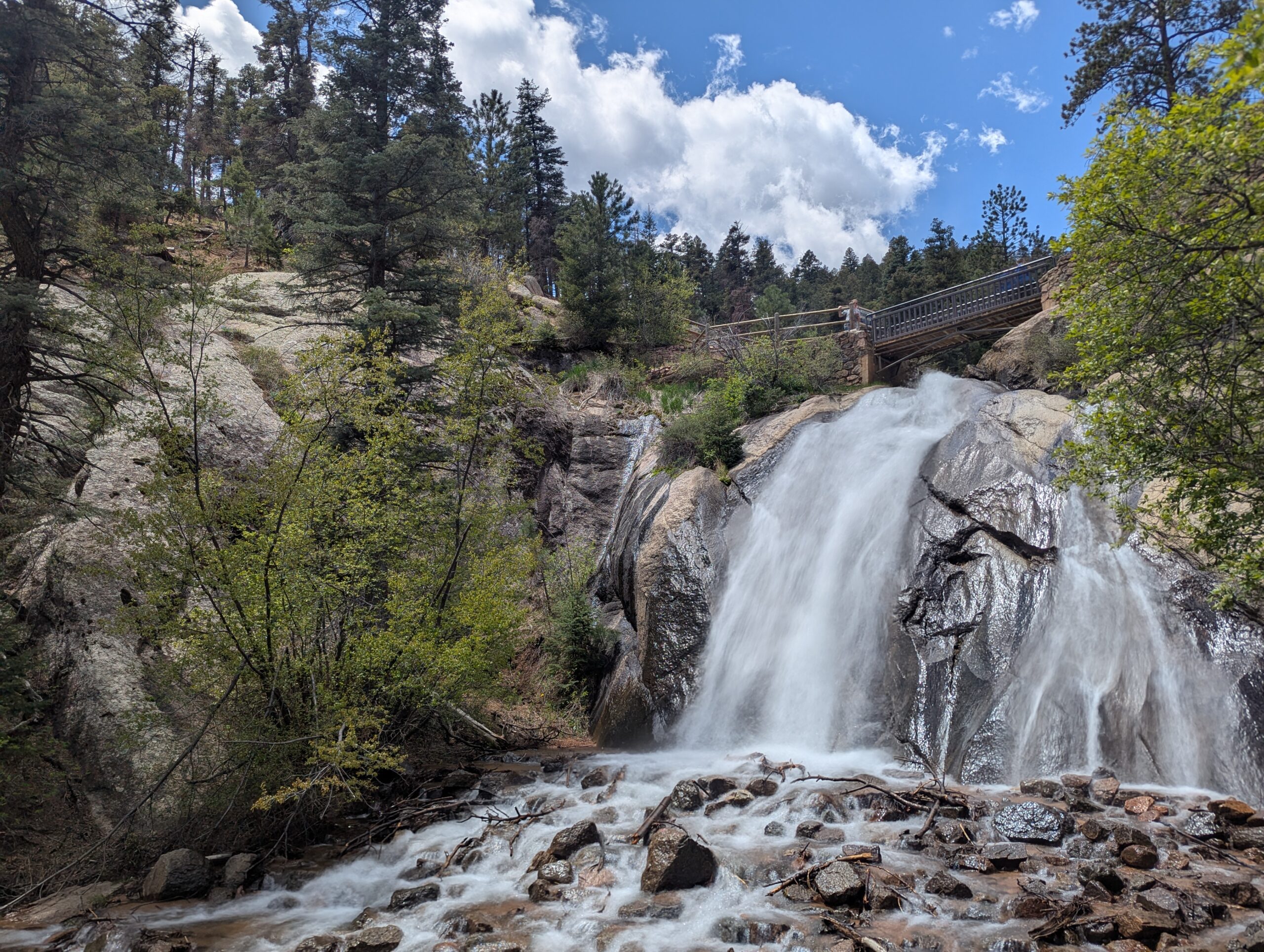
The park offers more than 15 miles of trails for multi-use recreation, along with designated picnic areas and two visitor centers. Dogs are welcome but must remain leashed. North Cheyenne Cañon also connects to nearby Stratton Open Space, expanding opportunities for exploration. A parking lot sits feet away from Colorado Springs’ most accessible waterfall, Helen Hunt Falls.
Visitor Centers
Starsmore Visitor and Nature Center serves as the gateway to the park, providing exhibits, trail maps, and educational programs.
Helen Hunt Falls Visitor Center is located at one of the park’s most popular natural landmarks. The falls are easily accessible by car and a short walk, and the visitor center offers exhibits, maps, and access to several hiking trails.
Trails
Helen Hunt Falls is one of the park’s most iconic features and serves as a starting point for multiple trails. Visitors can enjoy a short, family-friendly walk to Silver Cascade Falls or take on longer hikes that begin at the falls and climb higher into the canyon. In 2021, the Daniels Pass Trail System added nearly seven miles of new routes. These multi-use trails include Daniels Pass (2.0 miles), Sweetwater Canyon (3.07 miles), Middle Sweetwater (0.42 miles), and Bruin Trail (0.62 miles). Two short routes—Mt. Muscoco (0.33 miles) and Greenwood Path (0.18 miles)—are open to hiking only.
History
North Cheyenne Cañon Park was established through the vision of General William Jackson Palmer, the founder of Colorado Springs, who donated land for its creation. In 1885, local citizens voted to purchase an additional 640 acres to preserve the waterfalls, canyon walls, and forested trails. The Park Commission described it at the time as “by far the grandest and most popular of all the beautiful cañons near the city.”
Volunteer Opportunities
Community members can support the park by volunteering with the Friends of Cheyenne Cañon, a nonprofit partner that assists with stewardship, education, and advocacy.North Cheyenne Cañon Park is managed by the City of Colorado Springs Parks, Recreation and Cultural Services Department. For information, call (719) 385-5940.
Stratton Open Space
Located in southwest Colorado Springs, Stratton Open Space is a diverse and well loved natural area bordering North Cheyenne Cañon Park. With miles of trails, multiple ecosystems, and direct access toward Pike National Forest, Stratton offers a rich outdoor experience that blends recreation, wildlife habitat, and long standing community conservation.
Recreation and Trails
Stratton Open Space features approximately 15 miles of trails spread across 318 acres, making it a popular destination for hikers and mountain bikers. The trail network winds through foothills terrain, forested slopes, and open ridgelines, offering a range of experiences from moderate climbs to flowing descents.
Several trails have specific designations that visitors should note. The Chutes is a downhill bicycle only trail. The Ladders is a multi use, multi directional trail that provides an important connection between Chamberlain Trail and Gold Camp Road. The Gold Camp Path is a bi directional trail designated for hiking only. Clear signage helps guide users through the system and supports safe, shared use of the trails.
Stratton’s western edge connects seamlessly into North Cheyenne Cañon Park, allowing visitors to link outings across a much larger protected landscape.
Wildlife and Scenery
Stratton Open Space supports a wide variety of wildlife thanks to its range of habitats. Mule deer are commonly seen, along with coyote, black bear, mountain lion, gray fox, and bobcat. Smaller mammals such as rabbits, chipmunks, and squirrels are abundant, and the area supports a diverse bird population year round.
Reptiles found in Stratton include fence lizards, garter snakes, bullsnakes and rarely rattlesnakes. Visitors are encouraged to remain aware of their surroundings and respect wildlife at all times.
History
Efforts to protect Stratton Open Space began in the early 1990s, driven by local citizens who recognized the value of preserving this landscape. In 1998, the City of Colorado Springs purchased the property for $5.9 million. Most of the funding came from the Trails, Open Space, and Parks sales tax, with additional support from Great Outdoors Colorado, private donations, and The Trust for Public Land.
A conservation easement was placed on the property as part of the Great Outdoors Colorado funding and is held by Palmer Land Trust. Stratton Open Space is owned by the City of Colorado Springs and managed by the Parks, Recreation, and Cultural Services Department. Adjacent land managed by Colorado Springs Utilities includes water supply reservoirs and blends seamlessly with the open space outside of fenced infrastructure areas.
Plan Your Visit
Location: Southwest Colorado Springs, adjacent to North Cheyenne Cañon Park Parking: Available at multiple access points and nearby trailheads Hours: Open daily, dawn to dusk Fees: No entry fee
Tips:
Follow posted trail designations, especially on bike only and hiking only routes
Watch for wildlife and maintain safe distances
Trails can be icy or muddy depending on season and weather
Supported by the Friends of Stratton Open Space, this area reflects decades of community commitment to conservation and recreation. Stratton Open Space remains a cornerstone of Colorado Springs’ open space system, offering connected trails, rich habitat, and access to some of the region’s most iconic landscapes.
Amenities: The 60 acre open space has roughly 2 miles of nonmotorized trail. Covered in thick stands of scrub oak, mature ponderosa pine trees, and rolling grass meadows, offering users of the adjacent New Santa Fe Regional Trail an opportunity to experience a more natural foothills environment. The terrain is very mild, ranging approximately 150 feet in elevation. It’s a great place for families to go hiking, biking, horseback riding, dog walking, and running.
Many notable landmarks can be seen from within the open space, including: Ben Lomand Mountain, Elephant Rock, Mount Herman, Monument Rock, Sundance Mountain, Chautauqua Mountain, Blodgett Peak, and Cheyenne Mountain far to the south. Santa Fe Open Space is a high value wildlife habitat. Animal sightings may include: squirrel, black bear, bat, elk, mountain lion, mule and white-tailed deer, wild turkey, fox, coyote, bobcat, red-tailed hawks, golden eagle and reptiles.
History: The earliest known area inhabitants were native American tribes that date to the Folsom period, 10,000 years ago. More recently the Mountain Ute, Arapahoe, Kiowa, Sioux and Cheyenne and others have been present.
Around 1869, the Bennett family established a homestead near the north end of the lake; their Ben Lomond Ranch spanned northward across the El Paso and Douglas county border. Locals refer to Elephant Rock as “Citadel Rock.”
In 1870, General William Jackson Palmer acquired the property as part of the Monument Farms & Lake Property to start the Denver & Rio Grande Railroad. The railroad open for business in January 1872. Palmer Lake was critical to the railroad because the steam trains chugged up to the Palmer-Divide summit and had to take on water to head back down. Passenger trains would stop to take on water and passengers could get off for a day of picnicking, fishing, boating or wildflower hikes for a fee of $1.50 roundtrip from Denver. In the late 1890’s Special trains for “wheelmen” (and women) were operated from Denver to Palmer Lake and other popular resort towns as bicycle riding was a fashionable outdoor sport. In 1897, building on the 11-mile Denver-Littleton Cycle Path, the Denver-Palmer Lake Cycle Path Association raised funds and acquired rights-of-way for an extension to Palmer Lake, a 50-mile route.
In 1920, Thomas H. Close purchases Santa Fe Open Space property, he planted wheat and grazed cattle in the western portions of the open space. The open space was grazed until the late 1970’s.
In 2003 a Conservation Easement was placed over the property to preserve certain natural, scenic, open space, aesthetic, ecological, recreational, historic, and environmental values. In 2017, El Paso County purchased the from the McGuire/Close family using voter supported TABOR funds. During the master planning process, the goal was to provide limited, passive recreation and preserve the conservation values of the property. Interpretive signs provide users with information on the property’s history. The property has an abandoned corral, ranch artifacts, and old roadbed that was once a service road used by the railroad.
Kane Ranch Open Space
Located east of Fountain, Kane Ranch Open Space is a 440-acre landscape of native grasslands, cottonwood groves, and expansive plains views. The property offers wide-open scenery with distinctive views of Pikes Peak and Cheyenne Mountain and supports a growing regional trail network. As one of El Paso County’s newest open spaces, Kane Ranch blends outdoor recreation with cultural and historical significance.
Recreation and Trails
Kane Ranch Open Space features the Lariat Loop Trail, a natural-surface loop approximately 3.5 miles in length. The trail is suitable for hiking, running, bicycling, and equestrian use, with sufficient width to accommodate two riders on horseback side by side.
A designated trailhead includes equestrian parking, a turnaround loop, a portable restroom enclosure, and interpretive signage. Additional trails are planned and will provide future connections to regional routes, including the Black Squirrel Creek Trail and Kane Ranch Trail.
Wildlife and Scenery
The open space supports grassland and riparian habitats that provide shelter for a variety of wildlife species. Visitors may encounter reptiles, small mammals, and grassland birds throughout the property.
Rattlesnakes are present in the area, and visitors are encouraged to remain on designated trails and keep dogs on leash. Goat head thorns are also prevalent, and appropriate footwear is recommended.
History
Kane Ranch Open Space opened to the public on March 23, 2022, following its acquisition by El Paso County in 2003 through the estate of former rancher Alexander F. Kane. The land was once part of a 5,000-acre ranch established in the 1940s by Wanden Matthews La Farge, who later married Alexander “Andy” Kane. Wanden Kane served two terms as mayor of Fountain and was Colorado’s first female mayor.
The ranch later became a successful quarter-horse operation and the foundation for the Kane Family Foundation, which supports merit-based scholarships for students in southern Colorado. Wanden’s son, Oliver Albee “Pete” La Farge, was a noted musician, writer, and artist whose work included songs recorded by Johnny Cash. He is buried in the Kane Family Cemetery, now preserved within the open space.
Plan Your Visit
Location: East of Fountain, El Paso County Parking: Trailhead with equestrian parking and turnaround loop Hours: Open daily, dawn to dusk Fees: No entry fee
Tips
Stay on designated trails and keep dogs on leash due to rattlesnakes
Watch for goat head thorns and wear appropriate footwear
Yield appropriately to equestrians and other trail users
Bring water and sun protection, as shade is limited
BEWARE OF RATTLESNAKES
Kane Ranch Open Space reflects El Paso County’s commitment to preserving working landscapes, cultural history, and accessible outdoor recreation. With expanding trail connections and wide-open scenery, the property offers visitors a distinctive plains-to-mountains open space experience.