Cottonwood Creek Park

Cottonwood Creek Park is one of the largest community parks in northeast Colorado Springs, offering more than 70 acres of recreation and open space. This popular destination combines athletic facilities, playgrounds, trails, and wide open lawns, making it a hub for families, athletes, and anyone looking to enjoy the outdoors in the heart of the city.

Amenities and Recreation

The park features a wide variety of facilities, including:

  • Cottonwood Creek Recreation Center with an indoor pool, gymnasium, and fitness classes.

  • Sports fields for soccer, football, and baseball.

  • Tennis courts, basketball courts, and a skate park.

  • Playgrounds and picnic areas perfect for families.

  • Dog park where pups can run off-leash.

Trails and Natural Features

A paved section of the Cottonwood Creek Trail runs through the park, connecting to the larger Pikes Peak Greenway Trail system. The trail is popular with walkers, cyclists, and runners, offering a scenic corridor along the creek with mountain views to the west. Open fields and shady spots make it a great place to enjoy nature without leaving the city.

Location and Access

  • Address: 3920 Dublin Blvd, Colorado Springs, CO 80918

  • Parking: Multiple paved lots are available around the park and recreation center, with ADA-accessible spaces. Parking is free.

  • Hours: The park is open daily from 5:00 a.m. to 11:00 p.m.; recreation center hours vary seasonally.

With its blend of recreation facilities, community events, and natural beauty, Cottonwood Creek Park is a top destination for families, athletes, and trail users in Colorado Springs.

Rock Ledge Ranch Historic Site

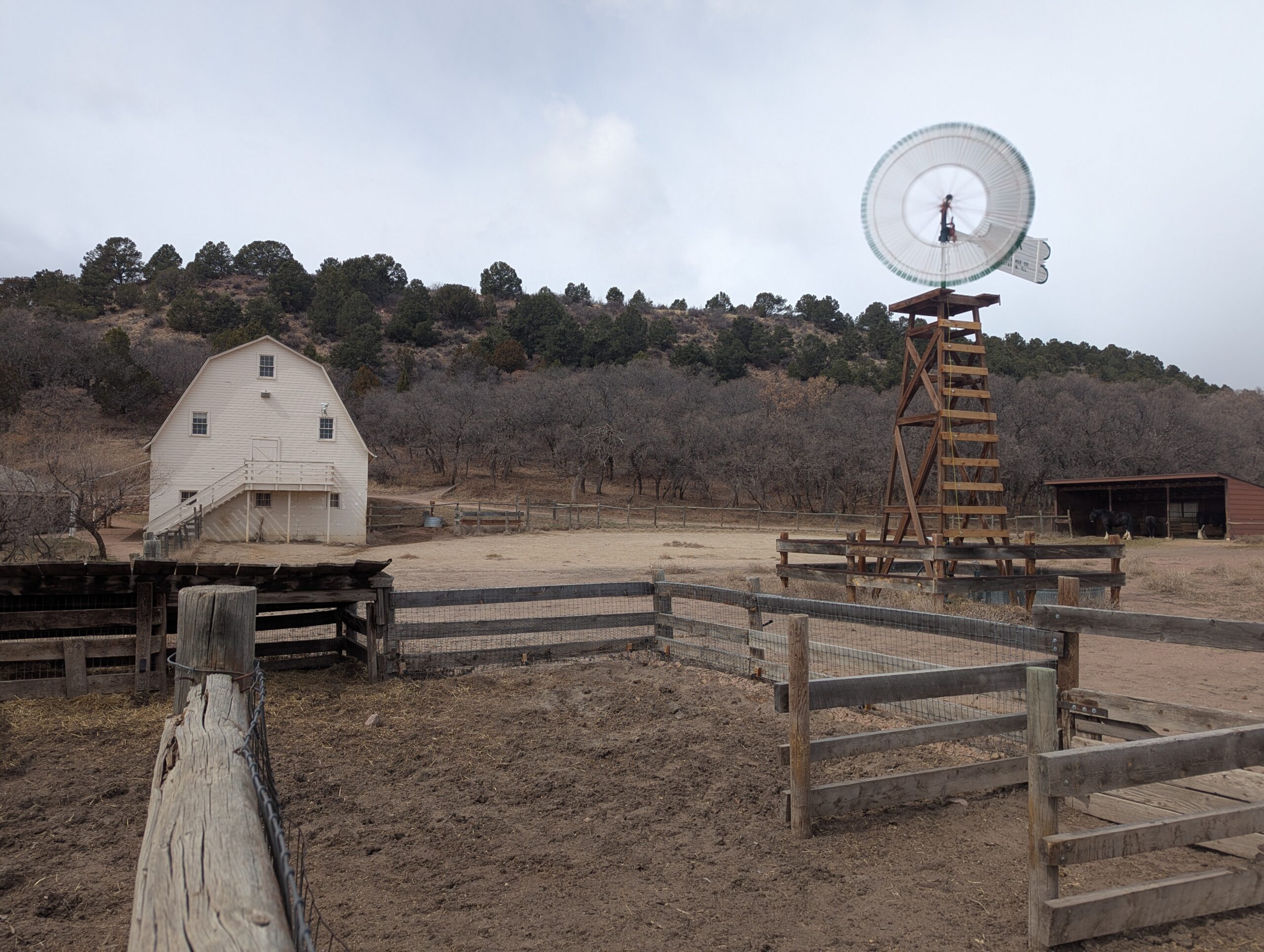
Rock Ledge Ranch Historic Site, located at the entrance to Garden of the Gods Park in Colorado Springs, is a living history museum that brings the story of the Pikes Peak region to life. Managed by the City of Colorado Springs, the ranch preserves over 200 years of local history, with costumed interpreters, historic structures, and seasonal events that connect visitors to Colorado’s cultural heritage.

History and Interpretation

The site spans four eras of history, each represented by authentic buildings and demonstrations:

  • 1775 Ute Encampment – Explore the culture and traditions of the indigenous Ute people.

  • 1860s Homestead Cabin – Step inside a frontier homestead and experience pioneer life.

  • 1880s Chambers Farm & Rock Ledge House – Learn about farming, ranching, and daily life in the late 19th century.

  • 1907 Edwardian Country Estate (Orchard House) – Tour an elegant estate that reflects Colorado Springs’ early resort era.

Through living history, demonstrations, and interpretive programming, Rock Ledge Ranch offers a unique chance to experience the challenges and triumphs of the region’s past.

Programs and Events

Rock Ledge Ranch is host to popular annual events including the Fourth of July Celebration, First People’s Day, Harvest Festival, and the Holiday Evening. These programs highlight historic traditions, cultural exchange, and community celebrations. Educational tours, field trips, and volunteer opportunities are also offered year-round.

Scenery and Location

Nestled against the dramatic red rock formations of Garden of the Gods, the ranch blends history with stunning natural beauty. Visitors can stroll the grounds, picnic in designated areas, or combine a ranch visit with a hike in the Garden of the Gods park next door.

Plan Your Visit

  • Location: 3105 Gateway Road, Colorado Springs, CO 80904

  • Parking: Free parking is available on-site in a large gravel lot adjacent to the ranch entrance.

  • Hours: Seasonal schedule, typically Memorial Day through Labor Day with select off-season events. Grounds are open dusk to dawn.

  • Admission: Modest entrance fee; memberships available.

  • Accessibility: The site includes walking paths between historic areas; some terrain may be uneven.

  • More Information: https://rockledgeranch.com/

With its rich storytelling, hands-on demonstrations, and unbeatable setting beside Garden of the Gods, Rock Ledge Ranch Historic Site is one of Colorado Springs’ most unique destinations for history lovers, families, and visitors of all ages.

Paint Mines Interpretive Park

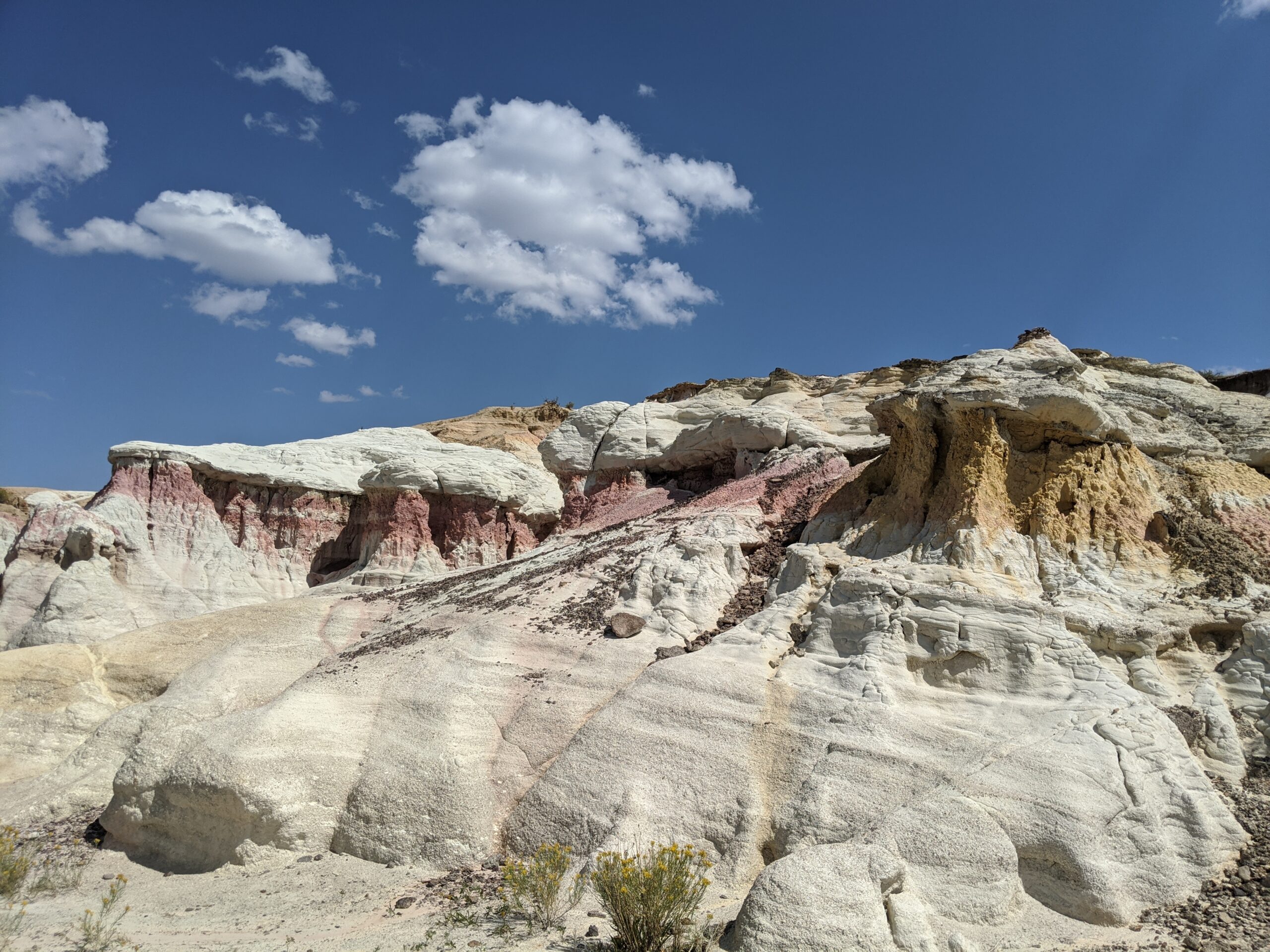
Paint Mines Interpretive Park, located near Calhan in El Paso County, Colorado, is one of the region’s most unique and colorful natural treasures. Covering 750 acres, the park is famous for its dramatic hoodoos, spires, and sculpted clay formations layered in shades of red, yellow, orange, and purple. Rich in both natural and cultural history, the Paint Mines offer a rare glimpse into the geology and heritage of Colorado’s eastern plains.
Trails and Recreation

The park features four miles of interpretive trails that wind through rolling prairie and into the vibrant badlands below. Trails are non-motorized and open to hikers, trail runners, and families seeking a one-of-a-kind outdoor experience. Interpretive signs along the way highlight the park’s geology, ecology, and human history. Because the formations are fragile, visitors are asked to stay on designated trails.

History and Archaeology

The Paint Mines have been a cultural landmark for thousands of years. Archaeological evidence shows that Native American peoples, including the Apache and Comanche, used the colorful clay for pottery and ceremonial paints as far back as 9,000 years ago. Remnants of quarrying and stone tools have been found throughout the park, underscoring its importance as both a natural and cultural resource.

Wildlife and Scenery

Beyond its geologic wonders, the park is home to pronghorn, coyotes, mule deer, and a variety of grassland birds. In spring and summer, wildflowers add bursts of color to the prairie, while sweeping views of Pikes Peak rise in the distance. The contrast of bright rock formations against the open sky makes this one of the most photogenic landscapes in El Paso County.

Plan Your Visit

Paint Mines Interpretive Park is located just south of Calhan, Colorado, about 35 miles northeast of Colorado Springs. Parking, restrooms, and trailhead access are available at the main entrance off Paint Mine Road. The park is open daily from dawn to dusk, with no entrance fee. Dogs and other pets are not permitted, in order to protect fragile resources and wildlife.

More Information: https://parks.elpasoco.com/parks-and-recreation/paint-mines-interpretive-park/

Florissant Fossil Beds National Monument

Florissant Fossil Beds National Monument in Teller County, Colorado, protects one of the richest fossil deposits in the world. Covering more than 6,000 acres, this National Park Service site offers visitors a rare opportunity to explore ancient history, dramatic geology, and the beauty of Colorado’s mountain landscape all in one place.
Trails and Recreation

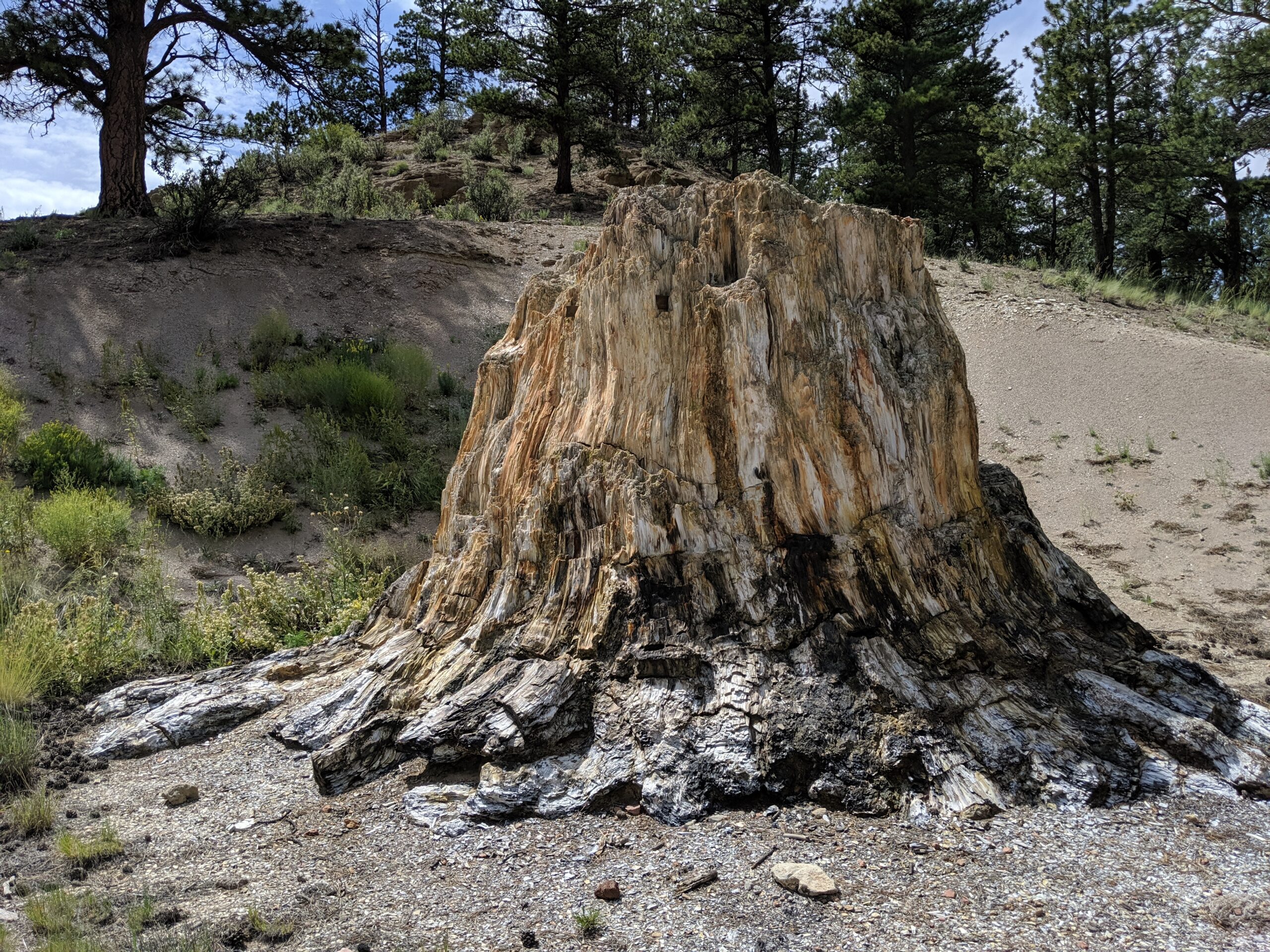
The Monument features 14 miles of hiking trails, ranging from short family-friendly loops to longer treks through forests, meadows, and past historic homesteads. Popular trails include the Petrified Forest Loop, which showcases massive fossilized redwood stumps, and the Hornbek Homestead Trail, offering a glimpse of 19th-century pioneer life. Ranger-led programs, fossil displays, and interactive exhibits at the visitor center make this a perfect stop for families, students, and curious explorers.

Fossils and Geology

The Florissant valley was once a subtropical ecosystem, home to towering redwoods, giant insects, and hundreds of plant species. Volcanic eruptions 34 million years ago buried the valley in ash, preserving thousands of fossils in fine-grained shale. Today, visitors can see petrified tree stumps up to 14 feet wide and view one of the most diverse insect fossil collections ever discovered.

Wildlife and Scenery

Beyond fossils, the Monument is a haven for wildlife. Elk, mule deer, black bear, and fox are frequently spotted, along with a wide variety of birds including mountain bluebirds and hummingbirds. Open meadows dotted with wildflowers and sweeping views of Pikes Peak provide a stunning backdrop year-round.

History

In addition to its prehistoric treasures, Florissant Fossil Beds preserves the Hornbek Homestead, a restored 1870s ranch house that tells the story of early Colorado pioneers. Archaeological evidence also shows that Native American groups, including the Ute, visited the valley for thousands of years.

Plan Your Visit

The Monument is located just west of the town of Florissant, Colorado, about 35 miles from Colorado Springs. The visitor center is open year-round (with seasonal hours), offering exhibits, a bookstore, and trail access. A small entrance fee is required; federal passes are accepted.

With its unique combination of world-class fossils, scenic hiking, and rich human history, Florissant Fossil Beds National Monument is one of Colorado’s most fascinating places to explore.

More Information: https://www.nps.gov/flfo/index.htm

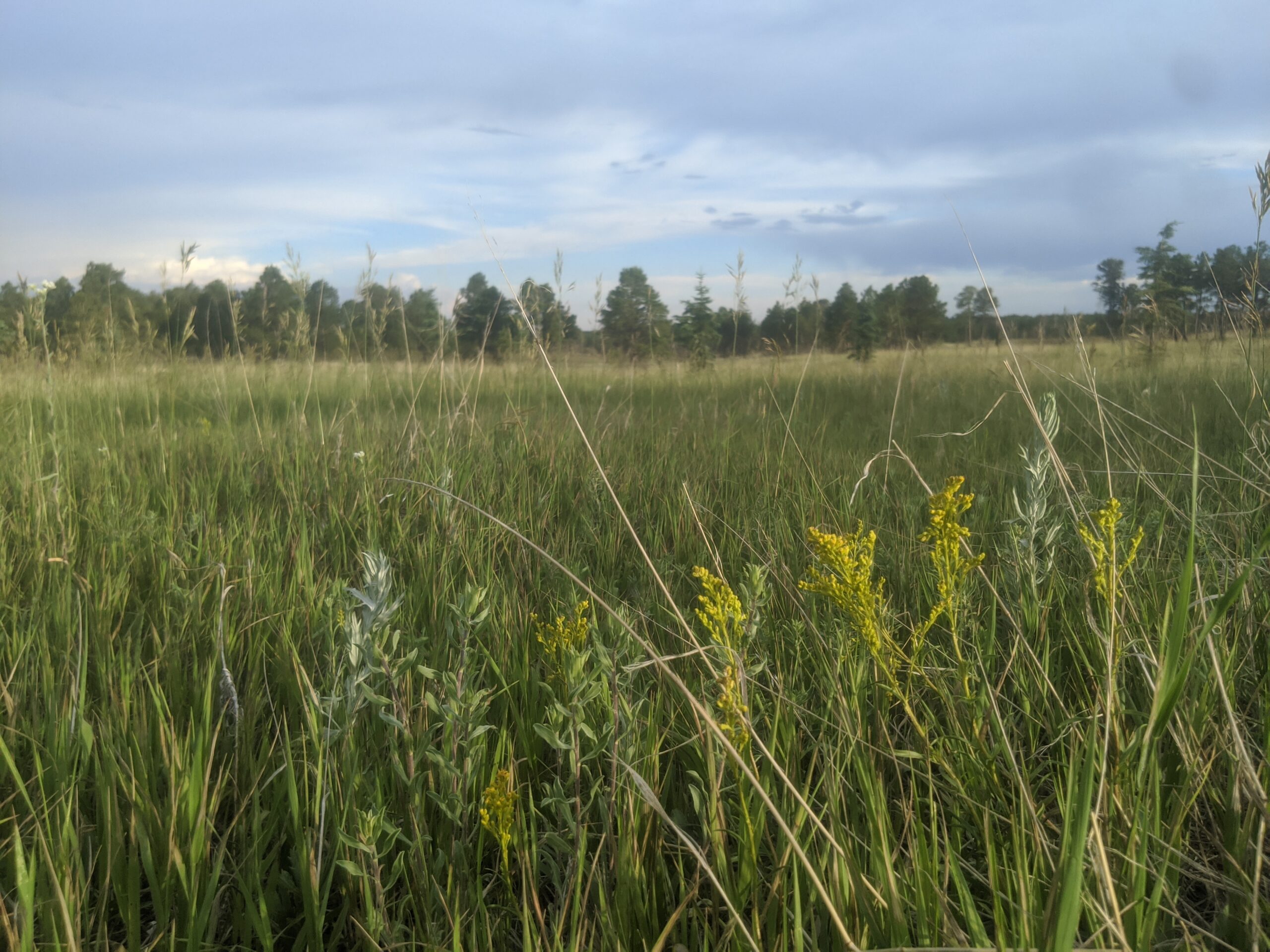
Pineries Open Space is one of the newest and most unique outdoor destinations in El Paso County, offering visitors a glimpse into the resilience of nature after wildfire. Located on Vollmer Road in the heart of the Black Forest, this 1,100-acre open space showcases rolling meadows, ponderosa pine stands, and sweeping views of Pikes Peak and the Rampart Range.
Trails

The highlight of the park is the Pineries Trail, a 9-mile loop open to hikers, runners, equestrians, and cyclists. The trail weaves through recovering forest, open grasslands, and ridgelines with panoramic views. For those seeking a shorter outing, the Farrar Trail provides a 3-mile route, offering a peaceful introduction to the area’s unique landscapes.

Wildlife

Pineries is home to a rich variety of wildlife. Mule deer and elk are often spotted in the meadows, while red-tailed hawks and great horned owls hunt along the forest edge. The open space also supports foxes, coyotes, and an impressive array of songbirds. Its mix of habitats makes it one of the best places in northern El Paso County for wildlife viewing and birdwatching.

History and the Black Forest Fire

The land that is now Pineries Open Space carries the scars—and the story—of the 2013 Black Forest Fire, the one of the most destructive wildfires in Colorado history. Portions of the trail still pass through burn scar areas where blackened tree trunks stand as reminders of the fire’s intensity. Today, new growth is visible everywhere: young ponderosa pine seedlings, wildflowers, and thriving grasses signal a powerful story of recovery and resilience.

Why Visit

Pineries Open Space offers an experience unlike any other in the region. Visitors can explore two distinct trails, observe wildlife in a variety of habitats, and witness firsthand the renewal of a forest after fire. Whether you are looking for a full-day adventure on the Pineries Trail or a short, family-friendly walk along Black Squirrel Creek, this open space delivers both beauty and meaning.

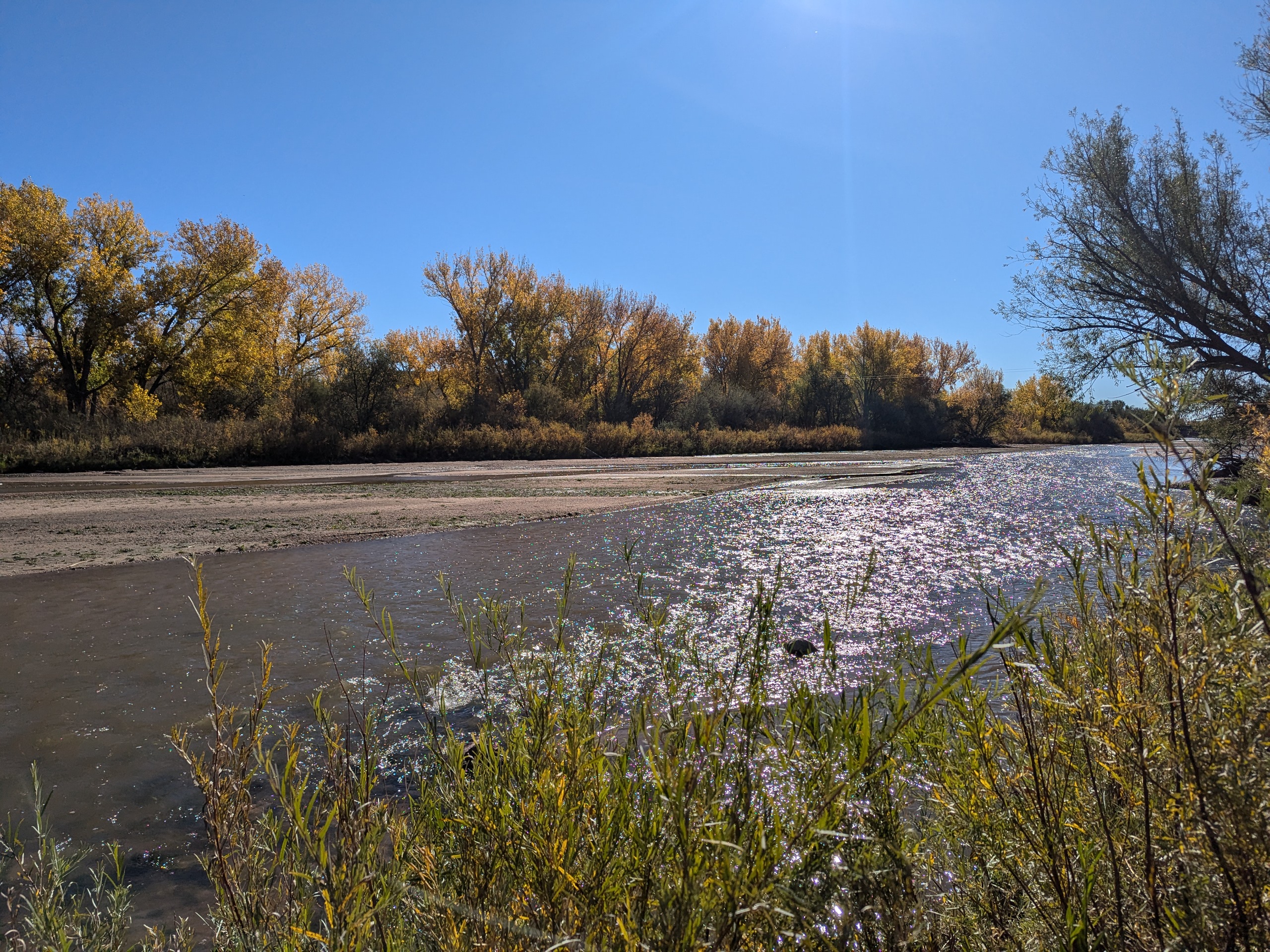
Clear Spring Ranch is a 930-acre open space in southern El Paso County, Colorado, just south of Fountain. Once part of a working ranch, the land is now protected and managed to safeguard Fountain Creek and provide outdoor recreation for the public. Visitors can explore open prairie, shaded cottonwood groves, and riparian habitat that make this site one of the best places for birdwatching in Colorado Springs, with regular sightings of hawks, herons, and migratory waterfowl.
The park features picnic areas, restrooms, and direct access to the Fountain Creek Regional Trail, a major connector in the regional trail system. Several multi-use trails within Clear Spring Ranch are open to hikers, cyclists, and equestrians, offering opportunities for both short outings and longer connections.

What makes Clear Spring Ranch unique is its quiet, wide-open landscape. Unlike busier foothill parks, this El Paso County open space offers a peaceful escape where visitors are more likely to encounter wildlife than crowds. Whether you are seeking a new hiking or biking route, a family-friendly picnic spot, or a chance to enjoy Colorado’s grassland and creek ecosystems, Clear Spring Ranch provides a hidden gem experience.

North Cheyenne Cañon Park (City of Colorado Springs)

Nestled at the base of Pikes Peak on the southwest edge of Colorado Springs, North Cheyenne Cañon Park is a 1,600-acre natural area known for its steep canyon walls, cascading streams, and dense forests of pine and fir. Established in 1885, it is one of the region’s oldest and most beloved parks, offering a dramatic gateway into the mountains while protecting critical wildlife habitat and watershed resources.


Recreation and Trails

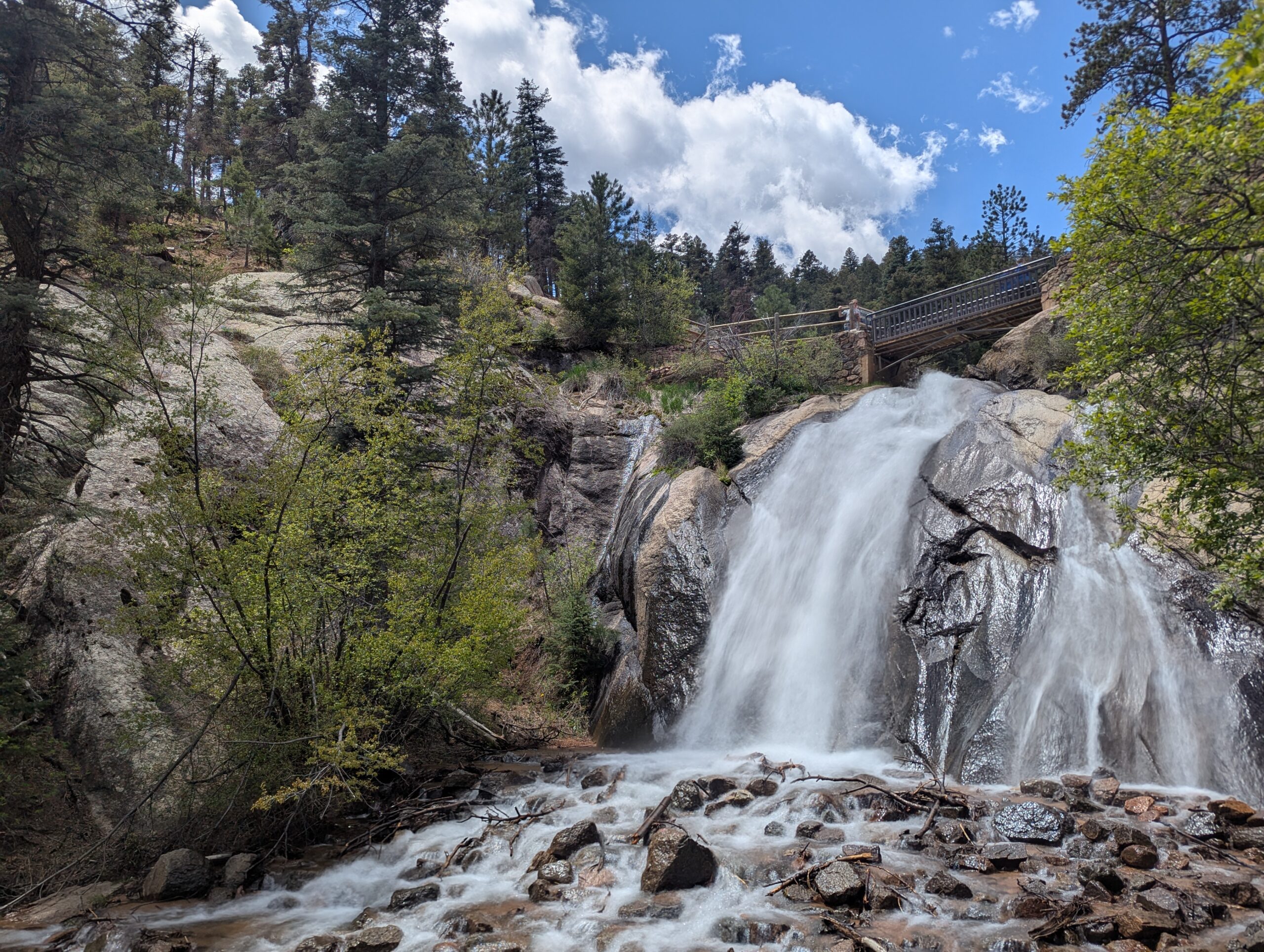
North Cheyenne Cañon Park features over 20 miles of trails for hikers, runners, and mountain bikers, with access to longer backcountry routes extending into surrounding forest lands. Popular destinations include Helen Hunt Falls, one of the most accessible waterfalls in the region, and the Seven Bridges Trail, a scenic route that follows a creek through a shaded canyon.

The park is also home to two key visitor hubs: the Starsmore Visitor and Nature Center, which offers exhibits, educational programs, and trail information, and the Helen Hunt Falls Visitor Center, where visitors can learn about the canyon’s geology, ecology, and history while enjoying views of the falls. The park also connects to Gold Camp Road, a historic corridor offering both recreational access and expansive views.


Wildlife and Scenery

The canyon’s varied terrain supports a wide range of wildlife, including mule deer, black bears, foxes, and numerous bird species. Streams flowing through the canyon create lush riparian zones, while higher elevations transition into dense conifer forests. Seasonal changes bring vibrant wildflowers in spring, cool shaded hikes in summer, golden aspen in fall, and quiet snow-covered landscapes in winter.


History

For generations, Indigenous peoples traveled through this canyon before it became a destination for early settlers and visitors seeking mountain scenery. North Cheyenne Cañon was officially established as a city park in 1885 through land donations by General William Jackson Palmer and others. Over time, the park became a cornerstone of Colorado Springs’ park system, preserving both natural beauty and access to the mountains for the community.


Plan Your Visit

Location: 2120 S. Cheyenne Canyon Rd, Colorado Springs, CO 80906
Parking: Multiple parking areas throughout the canyon, including at trailheads, the Starsmore Visitor and Nature Center, and Helen Hunt Falls
Hours: Open daily, typically 5:00 AM to 9:00 PM (seasonal variations may apply)
Fees: No entry fee

Tips:

  • Stop at the Starsmore Visitor and Nature Center for maps, exhibits, and current trail conditions
  • Visit early, especially on weekends, as parking fills quickly
  • Stay on designated trails to protect sensitive habitat
  • Bring layers—temperatures can vary significantly in the canyon

With its towering canyon walls, flowing waterfalls, and educational visitor centers, North Cheyenne Cañon Park offers a classic Colorado experience just minutes from downtown.

Palmer Park

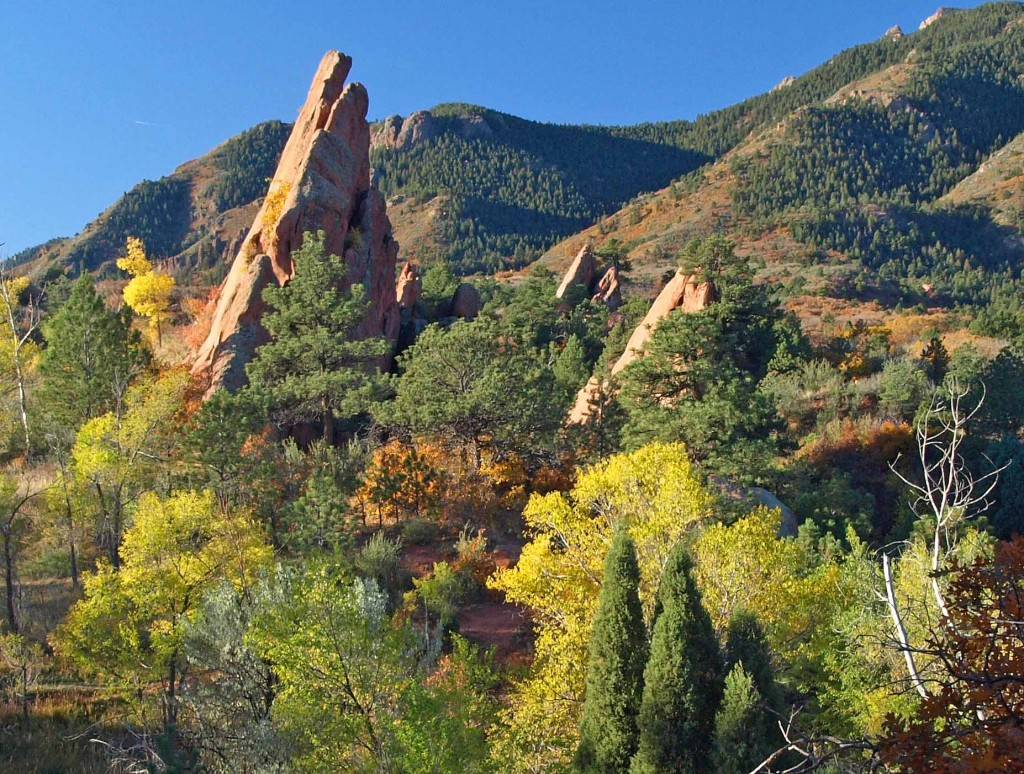
Palmer Park is one of Colorado Springs’ largest and most beloved urban parks, spanning more than 730 acres in the heart of the city. With rugged bluffs, panoramic overlooks, and miles of trails, the park feels like a wild escape just minutes from downtown.
Trails and Recreation

The park features over 25 miles of multi-use trails for hiking, running, mountain biking, and horseback riding. Popular routes like Yucca, Templeton, and Mesa Trails take visitors through sandstone formations, meadows, and forested ridges. The park also offers a dog park, playgrounds, and athletic fields, making it a favorite destination for families and outdoor adventurers alike.

Amenities and Features

Palmer Park is home to baseball and soccer fields, picnic shelters, restrooms, and wide-open spaces perfect for gatherings. The dog park is among the largest in the city, while Good Neighbors Meeting House (just outside the park) and nearby neighborhoods make it highly accessible. Overlooks such as Grandview Point provide sweeping views of Pikes Peak and the Front Range.

Wildlife & Scenery

From rugged sandstone spires to sweeping grasslands, Palmer Park offers an impressive variety of scenery. Visitors often spot mule deer, coyotes, rabbits, hawks, and songbirds while exploring the trails. Seasonal wildflowers add bursts of color in spring and summer, while the sandstone formations glow at sunrise and sunset.

History

Palmer Park was gifted to the city in 1902 by General William Jackson Palmer, the founder of Colorado Springs, as part of his vision to preserve natural lands for public enjoyment. For over a century, the park has served as both a community gathering space and a wilderness refuge within the city. Its size, history, and rugged beauty make it one of the crown jewels of Colorado Springs’ park system.

Plan Your Visit

Location: 3650 Maizeland Rd, Colorado Springs, CO 80909
Hours: 5:00 a.m. – 9:00 p.m. daily
Parking: Multiple lots located at trailheads, Grandview Overlook, and sports fields.

RED ROCK CANYON OPEN SPACE OFF-LEASH AT A GLANCE:

Within the Open Space’s 785 acres is an off-leash, unfenced dog area containing two loop trails. From the east end of main parking lot, head up Mesa Trail to reach Lower Dog Loop (1/2 mile RT) and Upper Dog Loop (1 mile RT). Dogs must be on leash in all Open Space areas except Dog Loops – including parking lot and Mesa Trail access. Directions: Turn south onto Ridge Rd. from Hwy 24, just west of Hwy 24 and S. 31st. St.

Stratton Open Space

Located in southwest Colorado Springs, Stratton Open Space is a diverse and well loved natural area bordering North Cheyenne Cañon Park. With miles of trails, multiple ecosystems, and direct access toward Pike National Forest, Stratton offers a rich outdoor experience that blends recreation, wildlife habitat, and long standing community conservation.

Recreation and Trails

Stratton Open Space features approximately 15 miles of trails spread across 318 acres, making it a popular destination for hikers and mountain bikers. The trail network winds through foothills terrain, forested slopes, and open ridgelines, offering a range of experiences from moderate climbs to flowing descents.

Several trails have specific designations that visitors should note. The Chutes is a downhill bicycle only trail. The Ladders is a multi use, multi directional trail that provides an important connection between Chamberlain Trail and Gold Camp Road. The Gold Camp Path is a bi directional trail designated for hiking only. Clear signage helps guide users through the system and supports safe, shared use of the trails.

Stratton’s western edge connects seamlessly into North Cheyenne Cañon Park, allowing visitors to link outings across a much larger protected landscape.

Wildlife and Scenery

Stratton Open Space supports a wide variety of wildlife thanks to its range of habitats. Mule deer are commonly seen, along with coyote, black bear, mountain lion, gray fox, and bobcat. Smaller mammals such as rabbits, chipmunks, and squirrels are abundant, and the area supports a diverse bird population year round.

Reptiles found in Stratton include fence lizards, garter snakes, bullsnakes and rarely rattlesnakes. Visitors are encouraged to remain aware of their surroundings and respect wildlife at all times.

History

Efforts to protect Stratton Open Space began in the early 1990s, driven by local citizens who recognized the value of preserving this landscape. In 1998, the City of Colorado Springs purchased the property for $5.9 million. Most of the funding came from the Trails, Open Space, and Parks sales tax, with additional support from Great Outdoors Colorado, private donations, and The Trust for Public Land.

A conservation easement was placed on the property as part of the Great Outdoors Colorado funding and is held by Palmer Land Trust. Stratton Open Space is owned by the City of Colorado Springs and managed by the Parks, Recreation, and Cultural Services Department. Adjacent land managed by Colorado Springs Utilities includes water supply reservoirs and blends seamlessly with the open space outside of fenced infrastructure areas.

Plan Your Visit

Location: Southwest Colorado Springs, adjacent to North Cheyenne Cañon Park
Parking: Available at multiple access points and nearby trailheads
Hours: Open daily, dawn to dusk
Fees: No entry fee

Tips:
  • Follow posted trail designations, especially on bike only and hiking only routes

  • Watch for wildlife and maintain safe distances

  • Trails can be icy or muddy depending on season and weather

Supported by the Friends of Stratton Open Space, this area reflects decades of community commitment to conservation and recreation. Stratton Open Space remains a cornerstone of Colorado Springs’ open space system, offering connected trails, rich habitat, and access to some of the region’s most iconic landscapes.

Translate »